
Plants
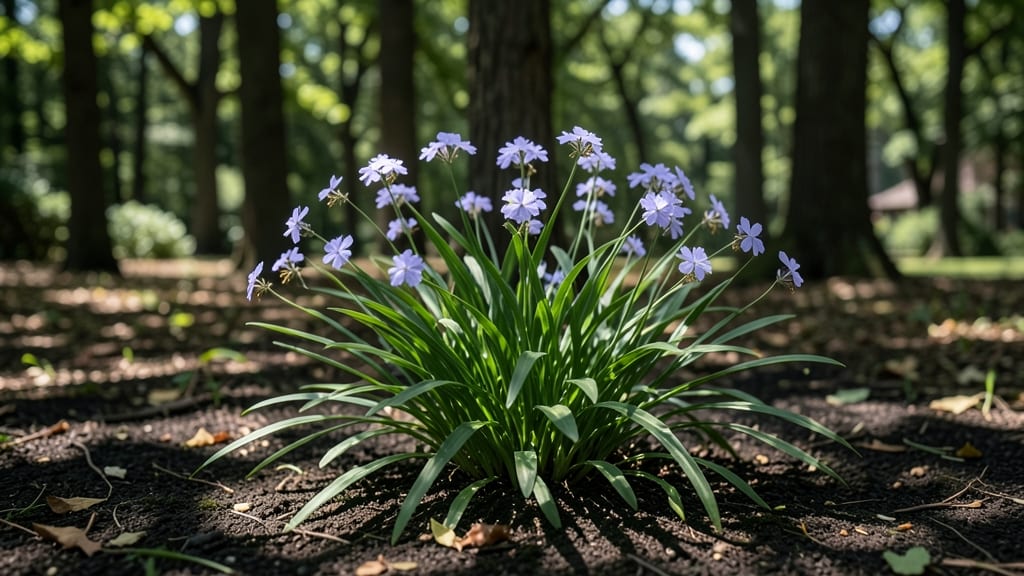
Wondering does spiderwort like sun or shade, you’ll find it thrives in partial shade with morning sun and afternoon shade, offering versatility for many gardens.
Struggling to keep your spiderwort thriving? The right light conditions can transform this hardy perennial from a sparse ground cover into a vibrant, blooming powerhouse—yet many gardeners get it wrong.
This plant loves bright, indirect light, but it can also handle some morning sun, especially in hotter climates. Too much direct afternoon sun can scorch its leaves, while too little light leads to fewer blooms.
Below, I’ll break down the ideal light setup for your spiderwort, whether you’re growing it in a garden bed or a container, plus how to spot and fix light-related issues before they become problems.
 Best Window Placement
Spiderwort light requirements: sun vs shade for optimal growth and blooms
If you're wondering does spiderwort like sun or shade, the answer depends on your climate and how you want your plants to perform. Native to meadows and woodland edges, spiderwort thrives in partial shade but adapts surprisingly well to morning sun with afternoon protection.
The key is balancing light exposure to prevent leaf scorch while ensuring enough energy for those iconic three-petaled blooms.
In my USDA Zone 6a garden, I've found spiderwort performs best with 4-6 hours of filtered sunlight daily. This mimics its natural habitat where it grows under taller trees or along forest edges.
However, in hotter southern climates, even partial shade becomes essential to prevent wilting or browned foliage. Let's break down how different light conditions affect your spiderwort's growth and flowering.
| Light Condition | Daily Exposure | Plant Height | Flower Production | Foliage Health | Best For |
|---|---|---|---|---|---|
| Full Sun | 6+ hours direct sun | 18-24 inches | Moderate (smaller blooms) | Risk of scorching | Cooler climates only |
| Partial Shade | 3-6 hours filtered light | 12-18 inches | Abundant, vibrant blooms | Healthy, lush foliage | Ideal for most gardens |
| Dappled Light | 2-4 hours direct sun | 12-15 inches | Good, but fewer blooms | Soft, delicate leaves | Woodland gardens |
| Deep Shade | <2 hours direct light | 6-12 inches | Very few blooms | Pale, leggy growth | Avoid for blooms |
For optimal spiderwort growth, I recommend east-facing exposure where plants receive gentle morning sunlight and afternoon shade. This setup prevents the intense midday sun that can cause leaf burn while still providing enough energy for robust foliage and vibrant purple blooms.
In containers, position your spiderwort where it gets morning sun and afternoon shade—this works beautifully on patios with partial shade structures.
Regional differences matter greatly. In hot southern climates, even partial shade becomes crucial, while in cooler northern zones, spiderwort can tolerate more direct sunlight.
I've successfully grown spiderwort in full sun in my Zone 6a garden during spring and fall when temperatures are moderate, but always move containers to shade during summer heat waves. The key is observing your plants and adjusting their position as seasons change.
When spiderwort gets too much sun, you'll notice brown leaf edges and crispy foliage, especially in afternoon heat. On the other hand, too little light leads to long, weak stems and sparse flowering.
The sweet spot is where you see compact growth with bright green leaves and continuous blooms from spring through summer. This balance ensures your spiderwort stays vigorous and attractive throughout the growing season.
One pro tip I've learned is to rotate container-grown spiderworts every few weeks. This ensures all sides get even light exposure, preventing lopsided growth and uneven flowering. For in-ground plants, simply monitor their position throughout the day and adjust mulch or nearby plants to provide natural shade when needed.
This simple practice makes a huge difference in plant health and flower production.
If you're growing spiderwort in containers or small spaces, consider using reflective surfaces like light-colored walls or mirrors to bounce extra light onto your plants. This technique can help boost flower production even in slightly shady conditions.
Just be mindful not to create heat stress—always provide some shade during peak afternoon hours, especially in summer.
For gardeners in urban environments, spiderwort is an excellent choice because it adapts well to varied light conditions found in city landscapes. I've seen it thrive under dappled shade from trees and even in bright indirect light near east-facing windows.
Its versatility makes it perfect for balconies, courtyards, and mixed-border gardens where light conditions can be unpredictable.
Signs your spiderwort isn’t getting the right light (and how to fix it)
Your spiderwort might be silently screaming for help if its light exposure is off. While these perennials are adaptable, wrong lighting leads to weak growth, pale foliage, or no blooms at all.
I’ve seen over-shaded spiderwort stretch toward the sky like a sleepy cat reaching for sunlight, while sun-scorched plants wilt by midday. The key is finding that sweet spot—partial shade with morning sun works best for most varieties.
Start by checking your spiderwort’s leaves. Healthy foliage should be deep green with a slight sheen, while yellowing leaves or purplish stems scream for more light. If your plant looks leggy and sparse, it’s likely light-deprived.
On the flip side, crispy edges or bleached spots mean it’s getting too much direct sun. These visual cues are your first clues to adjusting care.
⚠️ Spiderwort Light Stress: What’s Wrong?
- Too little light: Pale, sparse foliage + no blooms (plant stretches toward light)
- Too much sun: Brown leaf tips + wilting by noon (heat stress)
- Ideal fix: Morning sun + afternoon shade (4–6 hours daily)
🌱 Pro Tip: Move potted spiderwort gradually—sudden light changes shock roots.
If your spiderwort’s blooms are few and far between, light is likely the culprit. These plants need bright, indirect light to trigger flowering. In low-light spots, they’ll focus energy on leaves instead of blooms.
Try relocating your plant to a sunnier spot—even a south-facing window with filtered light can work. For outdoor gardens, place it where it gets morning sun but afternoon shade from trees or structures.
Seasonal adjustments are key, especially in hot climates. During summer, spiderworts may need extra afternoon shade to prevent sunburn. I’ve seen Tradescantia virginiana thrive under 30% shade cloth in peak summer heat.
In cooler regions, they can handle more direct sun—just monitor for wilting. Adjust gradually to avoid shocking the plant.
For container-grown spiderwort, rotate pots quarter-turns weekly to ensure even light exposure. If you notice one side growing faster or darker, it’s leaning toward light. Prune leggy stems to encourage bushier growth, but avoid cutting more than 1/3 of the plant at once.
Mulch around the base to retain moisture and regulate soil temperature, which helps stressed plants recover faster.
Remember, spiderwort is forgiving—it’ll bounce back with the right adjustments. Start with small changes, observe for 2–3 weeks, and tweak as needed. Soon, you’ll have a lush, blooming ground cover that’s the envy of your garden! 🌿