
Plants
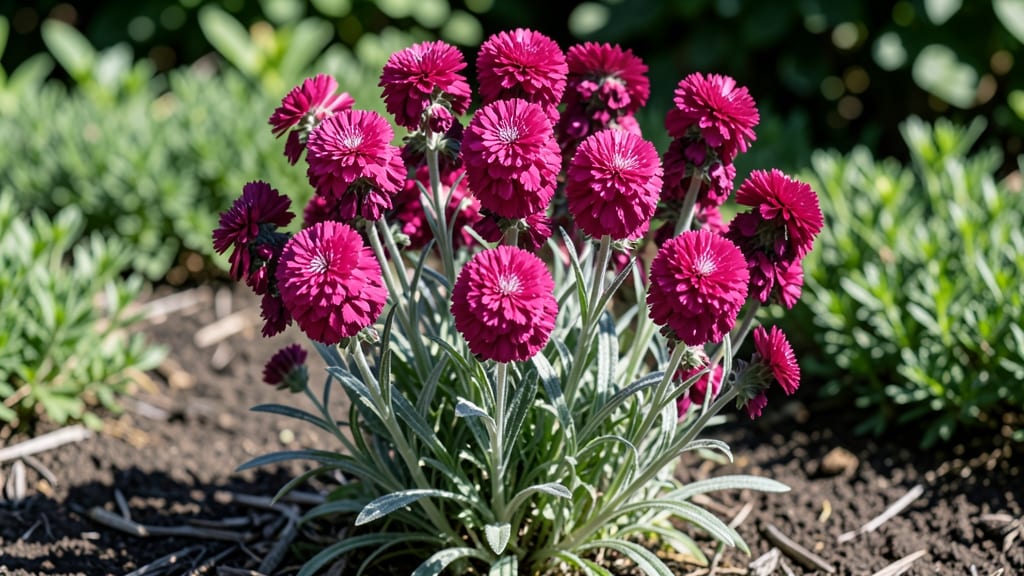
Do dianthus like sun or shade—they actually crave the sun—but the right light makes the difference between bold blooms and sparse stems.
Struggling to keep your dianthus thriving? The right light conditions can transform your plants from sparse blooms to a vibrant, long-lasting floral display—here’s how to get it right.
Most varieties—like the classic Dianthus barbatus—crave 6+ hours of sunlight daily, especially in warmer zones like 6a. But cooler climates or afternoon shade can work too, as long as morning sun fuels their growth.
Below, I break down the best light spots for your garden or containers, plus how to spot if your dianthus is getting too much (or too little) sun.
 Best Window Placement
Sunlight requirements for dianthus: full sun vs. partial shade explained
If you're wondering do dianthus like sun or shade, the answer depends on the variety and your climate. Most dianthus thrive in full sun (6+ hours/day), but some varieties tolerate partial shade (3-6 hours), especially in hotter regions.
Understanding these needs will help you maximize blooms and plant health.
For peak flowering, dianthus need bright light. In USDA zones 5-9, full sun exposure (south-facing locations) produces the most vibrant blooms. However, in hotter climates (zones 9-11), afternoon shade can prevent leaf scorch while still providing enough light for flowering.
Here’s a quick reference to help you decide between sun vs. shade for your dianthus varieties:
| Variety | Sunlight Needs | Best For | Notes |
|---|---|---|---|
| Dianthus barbatus (Sweet William) | Full sun (6+ hours) | Cooler climates | Needs well-draining soil |
| Dianthus chinensis (Chinese Pink) | Partial shade (3-6 hours) | Hotter regions | Tolerates heat better |
| Dianthus gratianopolitanus (Cheddar Pink) | Full sun to partial shade | Rock gardens | Drought-tolerant |
| Dianthus carthusianorum (Pinks) | Full sun (6+ hours) | Border plantings | Long bloom season |
For Dianthus barbatus, full sun is essential to produce those showy, fragrant blooms gardeners love. Plant them in south-facing beds where they’ll receive morning sun and gentle afternoon shade in hotter zones. If you notice fading colors or sparse blooms, it’s a sign they need more light.
On the other hand, Dianthus chinensis thrives in partial shade, making it ideal for containers on patios or shadier garden corners. This variety handles heat better, so it’s perfect for southern climates where full sun can scorch leaves.
Look for deep pink or magenta blooms as a sign it’s happy in its spot.
If you’re growing dianthus in containers, place them near a south-facing window or on a sunny balcony. Rotate pots weekly to ensure even light exposure, which prevents leggy growth and encourages bushier plants.
For ground plantings, avoid deep shade—even 3-4 hours of morning sun will help maintain vigor.
In cooler climates (zones 3-5), dianthus can handle full sun all day without stress. However, if your area experiences hot summers, provide afternoon shade with a lightweight shade cloth (30-50%). This mimics natural conditions and prevents leaf burn while still promoting blooms.
Watch for yellowing leaves or stretched stems, which indicate insufficient light. Conversely, brown leaf tips or crispy edges mean your dianthus is getting too much direct sun. Adjust placement gradually—move plants inch by inch over a week to avoid shocking their roots.
Pro tip: Deadhead spent blooms regularly to encourage more flowers, especially in sun-loving varieties. This simple task redirects energy from seed production to new bud formation, keeping your dianthus looking lush all season long.
With the right light, your dianthus will reward you with months of vibrant blooms and fragrant foliage. Experiment with placement, and don’t hesitate to protect plants from extreme conditions—whether that’s scorching sun or deep shade.
Best dianthus varieties for shade vs. sun: a grower’s guide
Choosing the right dianthus variety for your garden’s light conditions can mean the difference between sparse blooms and a lush floral display. While many dianthus thrive in full sun, some varieties adapt beautifully to shade or partial shade.
Let’s explore the best options for each scenario, including their hardiness zones and bloom seasons to help you pick the perfect match for your space.
Most gardeners assume all dianthus plants love sun, but shade-tolerant varieties like Dianthus gratianopolitanus (Cheddar Pink) prove otherwise. These adaptable plants can thrive in 3-6 hours of sunlight, making them ideal for woodland gardens or north-facing beds.
Meanwhile, sun-lovers like Dianthus carthusianorum (Pinks) demand 6+ hours of direct light for vibrant blooms. Let’s break down the pros and cons of each light preference.
Sun vs. Shade for Dianthus: Quick Comparison
Sun-Loving Dianthus
- ✅ Pros: Bold, long-lasting blooms
- ✅ Pros: Thrives in USDA Zones 3-9
- ✅ Pros: Best for rock gardens or borders
- ❌ Cons: Needs consistent watering
- ❌ Cons: May scorch in intense midday sun
Shade-Tolerant Dianthus
- ✅ Pros: Ideal for woodland gardens
- ✅ Pros: Handles USDA Zones 4-8
- ✅ Pros: Less water-intensive
- ❌ Cons: Fewer, smaller blooms
- ❌ Cons: May flop in heavy shade
For sun-loving varieties, Dianthus carthusianorum (Pinks) is a top performer, offering fragrant blooms from late spring to fall in USDA Zones 3-9. Pair it with Dianthus barbatus (Sweet Williams), which thrives in full sun and produces clusters of colorful flowers from spring to early summer.
These varieties excel in rock gardens or container plantings where they receive morning sun and afternoon shade.
If your garden leans toward shade or partial shade, consider Dianthus gratianopolitanus (Cheddar Pink), a hardy perennial that blooms from early to mid-summer in USDA Zones 4-8.
Another great option is Dianthus chinensis, which tolerates 3-4 hours of sunlight and produces delicate pink or white flowers from late spring to fall. These shade-tolerant varieties are perfect for woodland edges or understory plantings near trees.
To maximize blooms, deadhead spent flowers regularly and mulch around the base to retain moisture. For sun-loving varieties, ensure they’re planted in well-draining soil to prevent root rot from overwatering.
Shade-tolerant types, however, appreciate moist but not soggy soil, so amend heavy clay with compost or sand for better drainage.
Experiment with container gardening to test different light conditions. Move pots between sun and shade throughout the day to observe how your dianthus responds. With the right variety and care, your garden can burst with colorful blooms—whether bathed in sunlight or tucked away in the shade. 🌸