
Light Requirements
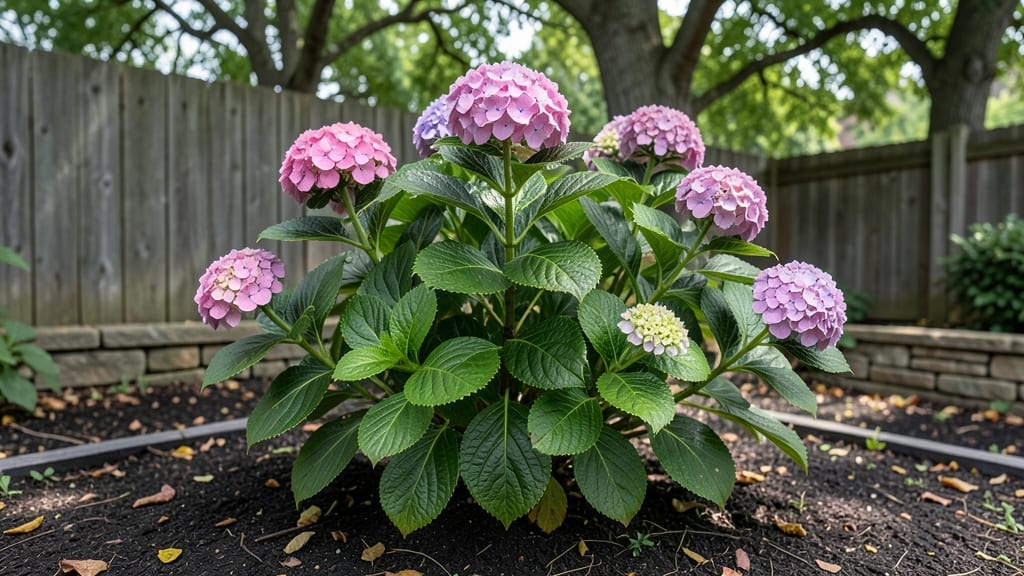
Do hydrangeas like shade—or do they secretly crave a little more sun to unleash their showstopping blooms? 🌸 The trick lies in finding that perfect balance.
If your hydrangeas are struggling to bloom or staying smaller than expected, shade might be the secret ingredient they need—but only when done right. Too little light and they’ll grow leggy; too much sun and their leaves burn.
The sweet spot? Partial shade, where morning sun warms the soil and afternoon shade protects delicate foliage.
Not all hydrangeas are created equal, though. Bigleaf varieties like 'Endless Summer' crave shade to prevent wilting, while panicle types such as 'Limelight' handle more sun. We’ll break down how to match your hydrangea’s needs to your garden’s light—plus, how to fix common shade mistakes that kill blooms.
Ready to unlock larger, longer-lasting blooms? You’ll learn how to position your hydrangeas for peak performance, which varieties shine in low light, and even how to hack shade with simple adjustments like pruning or mulch. Let’s get started.
 Best Window Placement
How much shade do hydrangeas need for optimal growth and blooms?
Hydrangeas are often called the queens of shade gardens, but not all varieties thrive equally under the same conditions. While they love partial shade, the exact amount varies dramatically between types.
Bigleaf hydrangeas, for example, can handle morning sun and afternoon shade, while panicle hydrangeas might tolerate slightly more direct light. Understanding these differences is key to unlocking bigger blooms and healthier foliage—without risking leaf scorch or weak stems.
The secret lies in chlorophyll production and blooming triggers. Hydrangeas need enough light to fuel photosynthesis but also benefit from protection against intense afternoon sun, especially in hot climates.
Too little shade can lead to smaller, sparse blooms, while too much can cause leggy growth. Balancing these factors ensures your hydrangeas become the showstopper shrubs they’re meant to be.
| Variety | Ideal Light Conditions | Bloom Impact | Notes |
|---|---|---|---|
| Bigleaf (H. macrophylla) | 3–6 hours of morning sun, afternoon shade | Large, vibrant blooms | Sensitive to hot sun; prefers dappled light |
| Oakleaf (H. quercifolia) | 4–6 hours of filtered light | Bold, cone-shaped flowers | Tolerates more shade but blooms best with light |
| Panicle (H. paniculata) | 6–8 hours of sun (tolerates more) | Long-lasting, upright blooms | Most sun-tolerant; great for brighter spots |
| Smooth (H. arborescens) | Partial shade to full sun | Lacy, snowball-like flowers | Adaptable; thrives in varied light |
Bigleaf hydrangeas, like the 'Endless Summer' series, are the most shade-dependent and will reward you with larger, more vibrant blooms when given 3–6 hours of morning sun. Place them under deciduous trees that provide dappled shade in summer but allow light in winter.
This mimics their natural habitat and prevents leaf burn while ensuring robust flowering.
Oakleaf hydrangeas, with their stunning fall foliage, prefer 4–6 hours of filtered light. They can handle slightly more shade than bigleaf types but still need enough light to develop their signature cone-shaped blooms.
A spot near a north-facing wall or under tall shrubs works well, as long as they receive indirect sunlight for part of the day.
Panicle hydrangeas, such as 'Limelight' or 'Little Lime', are the most sun-tolerant and can thrive with 6–8 hours of sunlight. These varieties produce long-lasting blooms that even dry well for winter arrangements.
If you have a sunny border, panicle hydrangeas will flourish there, though they’ll still benefit from afternoon shade in extreme heat.
The smooth hydrangea, like 'Annabelle', is a versatile middle-ground option. It handles partial shade to full sun, making it ideal for gardeners who want low-maintenance blooms without fussing over light conditions. Their lacy, snowball flowers add texture and volume to any garden, whether in shade or sun.
A common misconception is that more shade always equals better blooms. While hydrangeas do prefer shade, too little light can lead to leggy growth and fewer flowers. The key is balanced light exposure: enough to fuel photosynthesis but not so much that it stresses the plant.
Think of it like goldilocks lighting—not too hot, not too dim, but just right.
To maximize blooms, consider supplemental lighting in low-light areas. A grow light or reflective surface can help if your garden is naturally shady. Additionally, pruning nearby trees to allow more dappled light can work wonders for hydrangeas struggling in deep shade.
Even a 50% increase in light exposure can transform a sparse bloomer into a lush, flowering shrub.
Soil pH also plays a role in how hydrangeas respond to shade. Acidic soil (pH 5.5–6.0) enhances blue blooms in bigleaf varieties, while neutral soil (pH 6.0–7.0) promotes pink flowers.
If your hydrangeas aren’t blooming as expected, test your soil and adjust with sulfur or lime as needed. This simple tweak can double your bloom potential regardless of light conditions.
Remember, hydrangeas are opportunistic bloomers. They’ll adapt to their environment, but giving them the right amount of shade sets the stage for healthier plants and showier flowers.
Experiment with placement, monitor their response, and soon you’ll have hydrangeas that are the envy of the neighborhood—all thanks to the perfect balance of light and shade.
Signs your hydrangeas are getting the wrong amount of shade (and how to fix it)
Hydrangeas thrive in partial shade, but too much or too little can stunt their growth and blooms. If your plants look leggy or produce tiny flowers, your shade strategy might need adjustment.
The key is finding that sweet spot—morning sun with afternoon shade—where hydrangeas get enough light to bloom but stay protected from harsh afternoon rays.
Over-shaded hydrangeas often show pale green leaves and fewer blooms, while those in too much sun develop brown leaf edges and heat stress. Let’s break down the warning signs and how to fix them before your hydrangeas miss their peak season.
Start by checking your hydrangeas’ leaf color. Yellowing leaves with thin stems signal over-shading, while crispy edges or bleached spots mean too much sun. Oakleaf hydrangeas, for example, tolerate more shade than bigleaf varieties, which need bright indirect light to produce vibrant blooms.
If your hydrangeas are taller than wide with bare stems, they’re stretching toward light—a classic sign of under-lighting. Try thinning nearby trees or moving mulch away from the base to let more light reach the soil.
For sunburned leaves, provide afternoon shade with a sheer curtain or nearby shrubs.
For quick fixes, supplement light with a grow light (12–14 hours/day) in winter or prune overhanging branches to open up the canopy. Test your garden’s shade levels with a light meter or observe how shadows move throughout the day—hydrangeas need dappled light, not dense darkness.
Adjusting shade isn’t just about where you plant—it’s about when. In hot climates, morning sun is ideal, while cooler regions can handle evening light. Monitor your hydrangeas for 3 weeks after changes to see improvements in leaf color and bloom size.
With the right balance, your hydrangeas will reward you with larger blooms and healthier foliage. Start small—test one plant’s response to light adjustments before committing to big changes. Your hydrangeas will thank you with show-stopping color all season! 🌿