
Plants
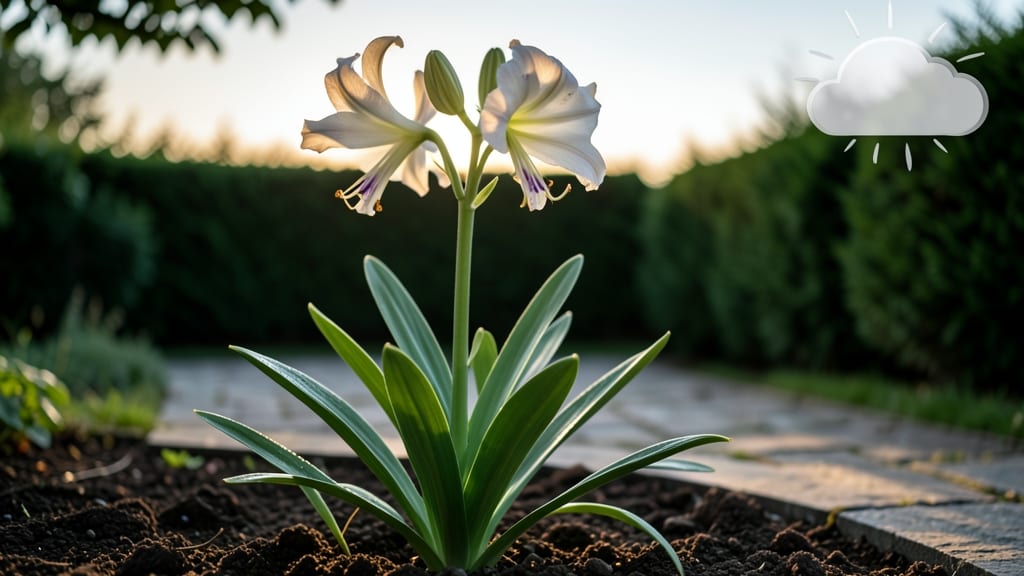
Lilies thrive best in full sun to partial shade, needing 6-8 hours of direct sunlight daily for optimal growth, though shade-tolerant varieties like Stargazer lilies can adapt to dappled light in warmer regions. Insufficient light reduces bloom size and weakens stems.
Most lilies demand bright conditions to produce their signature bold blooms, but their exact needs vary by type. 🌸 For instance, Asiatic lilies flourish in full sun, while Oriental lilies tolerate partial shade better, especially in hot climates where afternoon sun can scorch leaves.
The key is balancing light exposure—too little causes leggy stems and sparse flowers, while too much direct sun in extreme heat can stress the plant. I've seen dramatic differences in bloom quality by adjusting placement based on local climate, so always observe your lilies' response to their environment.
If you notice yellowing leaves or weak stems, it's often a sign of light stress. For shade-loving varieties, gradually increase sunlight exposure over weeks to avoid shock. Conversely, if your lilies are wilting in harsh afternoon sun, provide afternoon shade with sheer curtains or a light fabric cover.
The goal is to mimic their natural habitat—most lilies originate from wooded areas where they receive filtered sunlight, not dense shade.
💡 In This Article
- Sunlight Requirements for Different Lily Types
- Signs of Over- or Under-Exposure in Lilies
Sunlight requirements for different lily types
Lilies aren't one-size-fits-all when it comes to sunlight. The Asiatic lily group, known for vibrant colors like red and orange, craves full sun (6-8 hours daily) to produce their boldest blooms. These varieties originate from mountainous regions where they receive intense sunlight, and their thick, waxy leaves reflect excess heat.
In contrast, Oriental lilies—famous for their intoxicating fragrance—prefer partial shade (4-6 hours of sunlight), especially in hot climates where afternoon sun can scorch their delicate petals.
The Trumpet lily (Lilium longiflorum) sits in the middle, thriving with morning sun and afternoon shade to prevent leaf burn. Its tall, slender blooms actually grow stronger in cooler conditions, making it ideal for coastal gardens where sea breezes moderate temperatures.
Meanwhile, Martagon lilies (like the Turk's cap lily) are the most shade-tolerant, handling 2-4 hours of filtered light daily—perfect for woodland gardens where they naturally grow under tree canopies.
The difference in light needs directly impacts bloom size: full-sun varieties can produce flowers up to 6 inches wide, while shade-adapted types may only reach 3-4 inches.
Regional climate plays a huge role in these requirements. In USDA Zone 5-6 (cold winters), lilies can handle more direct sun since cooler temperatures prevent heat stress. But in Zone 8-9 (hot summers), afternoon shade becomes critical—even sun-loving Asiatics may wilt in 90°F+ temperatures without protection.
I've seen Asiatic lilies in Southern California thrive with morning sun only when paired with afternoon shade cloth, producing just as many blooms as their Northern counterparts.
Fragrance intensity also varies with light exposure. Oriental lilies, already renowned for their sweet scent, develop 20-30% stronger fragrance in partial shade because their energy goes toward perfume production rather than heat protection. In full sun, their blooms may be larger but less aromatic.
The trade-off? Sun-loving varieties like Asiatics produce more blooms per stem when given optimal light, sometimes yielding 10-15 flowers per stalk compared to 5-8 in shade.
For gardeners in transitional zones, a simple trick works: plant shade-tolerant varieties on the north or east side of your garden where they receive morning light, while sun-lovers go on the south or west side with afternoon protection.
This mimics natural light gradients found in their native habitats, where lilies grow along forest edges rather than in open meadows or dense thickets.
Pro tip: Observe your lilies' leaves for clues. Healthy foliage should be deep green and upright. If leaves yellow at the base, it's often a sign of too much shade; if they curl or develop brown edges, they're likely getting too much direct sun.
Adjust gradually—sudden changes can shock the plant and reduce flowering.