
Light Requirements
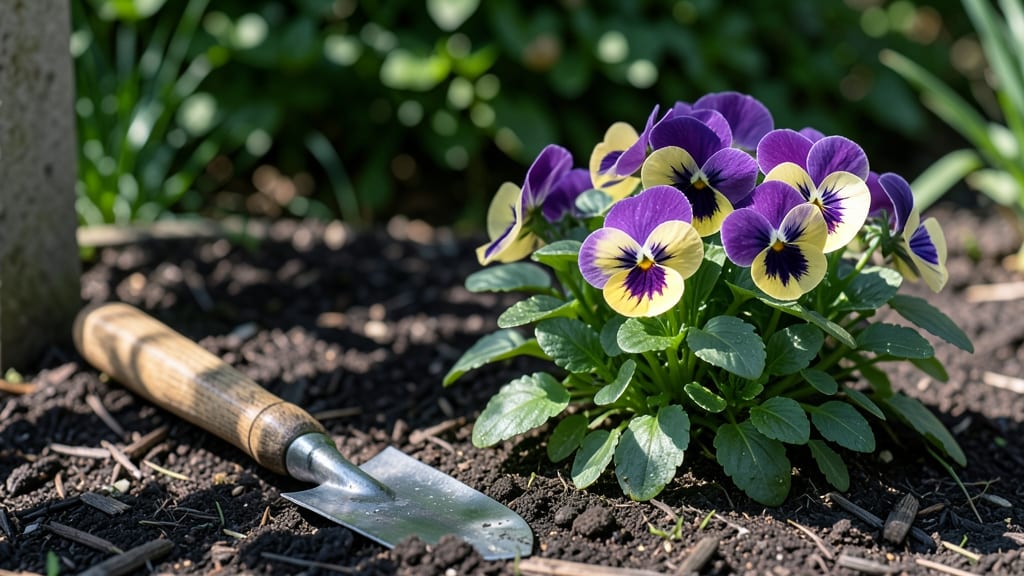
Wondering do pansies need sun or shade, here’s the answer: they flourish with partial shade—about 4 to 6 hours of sunlight daily—ideal for gardeners who adore vibrant blooms without full-sun demands.
Here’s the catch: too much direct sun can scorch those delicate petals, while too little shade means fewer flowers. I’ve seen pansies 🌸 go from lush and colorful to wilted in just a week when planted in the wrong spot.
Whether you’re working with shady garden beds or container gardening, understanding their light needs is the key to keeping them blooming from spring through fall. Let’s break down the ideal balance and how to tweak it for your space.
You’ll discover how to spot the signs of over- or under-exposure, which pansy varieties handle shade best, and even how to supplement light for indoor plants. No more guessing—just happy, healthy pansies all season long.
 Best Window Placement
Pansy sunlight requirements: the ideal light balance for maximum blooms
Pansies thrive in partial shade, but their light needs are often misunderstood. Unlike sun-hungry annuals, pansies balance moderate sunlight with shade tolerance, making them perfect for cooler climates and shaded garden spots.
The key is 4-6 hours of sunlight daily, but they can stretch to 6-8 hours in milder regions. Too much direct sun scorches their delicate petals, while too little shade stunts blooms and weakens stems.
Native to Europe and Asia, pansies evolved in temperate zones where morning sun and afternoon shade are common. This natural adaptation explains why they perform well in USDA zones 3-10, from frost-prone northern gardens to mild southern winters.
Their ability to tolerate shade also makes them ideal for woodland gardens or containers near patios where full sun isn’t available.
Here’s the critical balance for pansy success: morning sunlight (when temperatures are cooler) paired with afternoon shade (to prevent wilting). In hotter zones like USDA 8-10, afternoon shade is non-negotiable—otherwise, blooms fade within 2-3 weeks.
Even in cooler zones, direct afternoon sun can cause leaf scorch and reduce flowering by up to 40%.
🌸
| Light Condition | Sunlight Hours/Day | Bloom Performance | Growth Habit | Best For |
|---|---|---|---|---|
| Full Sun (6+ hours) | 6-8 hours | ⭐⭐⭐ (Moderate) | Leggy stems, fewer blooms | Hot climates (Zones 8-10) with afternoon shade |
| Partial Sun (4-6 hours) | 4-6 hours | ⭐⭐⭐⭐⭐ (Optimal) | Compact, bushy, continuous blooms | Most USDA zones (3-10), containers, borders |
| Partial Shade (2-4 hours) | 2-4 hours | ⭐⭐⭐ (Reduced) | Slow growth, sparse blooms | Woodland gardens, shaded patios |
| Full Shade (<2 hours) | <2 hours | ⭐ (Poor) | Leggy, weak stems, few blooms | Avoid—use shade-tolerant varieties only |
The science behind pansies’ shade tolerance lies in their cool-season biology. Unlike tropical flowers, pansies slow their growth in heat to conserve energy, which is why they thrive in spring and fall but struggle in summer’s intensity.
In USDA zones 3-5, they often bloom year-round with minimal sun, while zones 6-10 see peak flowering in spring and fall when temperatures are mild.
For container gardening, place pansies where they receive morning sun and afternoon shade. A north-facing window or a spot under dappled tree shade works perfectly. If using containers, ensure they’re 10-12 inches deep to accommodate roots and improve stability.
In shaded gardens, choose shade-tolerant varieties like 'Cool Wave' or 'Soraya,' which produce
How to adjust light for pansies in different garden spots
Pansies thrive in partial shade, but their light needs vary depending on where you plant them. In garden beds, they love morning sun with afternoon shade, while container pansies need slightly more direct light to prevent leggy growth. Understanding these differences ensures your pansies bloom abundantly all season.
For shaded garden spots, choose varieties like 'Cool Wave' that tolerate lower light. Even in shade, place pansies where they get at least 4 hours of filtered sunlight daily—otherwise, their blooms will shrink, and stems will stretch. Containers near patios or under trees often provide this perfect balance.
⚠️ callout warning ⚠️
Plants packed too closely in shaded areas compete for light, leading to stunted growth and fewer blooms. Space pansies 8-12 inches apart—even in shade—to ensure airflow and light penetration. Overcrowding also traps moisture, inviting fungal diseases like powdery mildew.
In containers, rotate pots weekly to ensure even light exposure. If your balcony or deck only gets 2-3 hours of sun, supplement with a grow light for 4-6 hours daily. LED grow lights (red/blue spectrum) are energy-efficient and mimic natural sunlight without overheating delicate pansy foliage.
For indoor growing, place pansies near an east-facing window where they receive gentle morning rays. Avoid south-facing windows, which can scorch their leaves with intense afternoon heat.
If natural light is insufficient, use a timer-controlled grow light to maintain a 14-hour photoperiod—this mimics spring conditions and encourages continuous blooming.
Adjust light gradually when moving pansies between sun and shade. Sudden exposure to full sun can cause sunburn (visible as white patches on leaves), while abrupt shade transitions may lead to bud drop. Acclimate plants over 7-10 days by slowly increasing or decreasing their light exposure.
Mulch around pansies with 2-3 inches of organic mulch (like straw or shredded bark) to regulate soil temperature and retain moisture. This helps compensate for low-light conditions by reducing stress on roots. In hot climates, mulch also protects pansies from heat stress that can occur even in partial shade.