
Plants
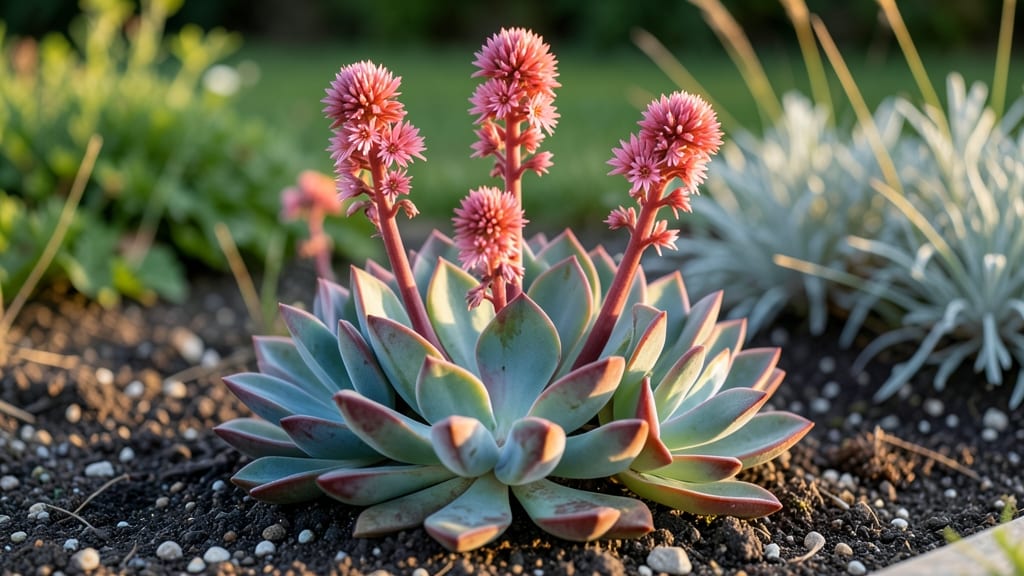
Do sedums like sun or shade—it depends, but most varieties adore the bright light while still tolerating some shade depending on your climate and planting spot.
Picture this: your 🌱 sedum plants are wilting or stretching toward the light, or worse, their leaves are turning a sad, pale yellow. That’s a clear sign they’re not getting the right amount of sunlight—or too much of it.
The good news? With the right placement and care, you can keep your sedums happy year-round, whether they’re basking in bright sunlight or tucked into a shadier corner.
Not all sedums are created equal when it comes to light. Some varieties, like 'Autumn Joy' or 'Dragon’s Blood', love soaking up 6+ hours of direct sun daily, while others, such as 'Angelina' or 'Mediocrity', can handle partial shade with ease.
Knowing which type you have—and where to plant it—makes all the difference in keeping those leaves plump, vibrant, and healthy.
In this guide, I’ll break down the best light conditions for your sedums, from sun-loving varieties to shade-tolerant picks, plus tips on how to transition them safely if you’re adjusting their spot. By the end, you’ll know exactly where to place your sedums for peak growth and minimal fuss.
 Best Window Placement
Sun-loving sedums: varieties that thrive in full sunlight
If you're dreaming of a low-maintenance, sun-drenched garden, sedums are your perfect partners. These drought-resistant succulents not only survive but thrive in full sun, making them ideal for hot, dry climates or sunny garden beds.
The key? Choosing the right varieties and protecting them from sunburn during peak summer heat.
Most sedums belong to the Crassulaceae family and have evolved to store water in their leaves, allowing them to handle intense sunlight. However, not all varieties are equal—some, like Sedum spectabile, bask in full sun, while others prefer partial shade.
Let’s explore the top sun-loving sedums and how to keep them happy in your brightest garden spots.
🌱
| Variety | Sun Needs | Height | Color | Care Tips |
|---|---|---|---|---|
| Sedum spectabile (Showy Stonecrop) | Full sun (6+ hrs) | 18–24" | Pink/purple blooms | Prune after flowering; mulch to retain moisture |
| Sedum autumnale (Autumn Joy) | Full sun | 24–36" | Coppery-pink blooms | Drought-tolerant; deadhead for prolonged blooms |
| Sedum sturtii (Sturty's Stonecrop) | Full sun to partial shade | 6–12" | Yellow-green foliage | Great for rock gardens; minimal watering |
| Sedum spathulifolium (Orpine) | Full sun (tolerates heat) | 6–12" | Blue-green leaves | Spreads aggressively; ideal for ground cover |
| Sedum telephium (Orpine) | Full sun | 18–24" | Pink/red stems | Cut back in spring; thrives in poor soil |
For full-sun sedums, the secret to success lies in well-draining soil and proper spacing. These plants hate soggy roots, so amend heavy clay with sand or gravel to prevent rot.
When planting, space varieties like Sedum spectabile at least 18–24 inches apart to allow airflow and reduce disease risk.
Even sun-loving sedums can suffer from sunburn during extreme heat. If you notice bleached or crispy leaf edges, your plants are begging for shade. Try dappled sunlight by placing them under light trees or using shade cloth (30–50%) during the hottest months.
Mulching with gravel or straw also helps regulate soil temperature.
💧
Watering sun-loving sedums is a balancing act. While they’re drought-tolerant, newly planted sedums need deep watering every 7–10 days to establish roots. Once established, reduce frequency to every 2–3 weeks, letting the soil dry completely between waterings. Overwatering leads to root rot, which is fatal for these succulents.
One of my favorite tricks for high-light sedums is group planting. Pair sun-lovers like Sedum telephium with ornamental grasses or lavender to create a low-water, high-impact border. The grasses provide texture, while the sedums add vibrant color and structure. Plus, the combination attracts pollinators like bees and butterflies!
If you’re growing sedums in containers, opt for terracotta pots—they dry out faster and mimic the rocky habitats where many sedums thrive. Use a cactus/succulent mix with perlite or pumice for drainage.
Place containers in south- or west-facing spots where they’ll get the most sunlight, but keep an eye out for midday sun intensity in summer.
☀️
To keep your sun-loving sedums looking their best, prune spent blooms in late summer or early fall. This encourages a second flush of flowers and prevents seed production, which can weaken
Shade-tolerant sedums: best low-light varieties for partial shade
If you're working with partial shade—think 3 to 6 hours of sunlight daily—you still have excellent sedum options. While many sedums crave full sun, these shade-tolerant varieties thrive in dappled light or filtered shade, making them perfect for woodland gardens, under trees, or north-facing beds.
Their thick, fleshy leaves store moisture efficiently, reducing watering needs even in lower light.
Shade-loving sedums often grow more lush and compact than their sun-starved counterparts. They develop richer foliage colors and longer blooming periods, though their flowers may be slightly less vibrant.
For example, Sedum 'Dragon's Blood' and Sedum 'Autumn Joy' (in cooler climates) adapt beautifully to partial shade, though they’ll still reward you with stunning fall foliage and late-season blooms.
🌿 Do Sedums Like Sun or Shade?
✅ Shade-Tolerant Sedums
- ✔ 3-6 hours of sun
- ✔ Lush foliage in low light
- ✔ Longer blooming in partial shade
- ✔ Ideal for woodland gardens
❌ Sun-Loving Sedums
- ✖ 6+ hours of direct sun
- ✖ Risk of scorching in shade
- ✖ Stunted growth in low light
- ✖ Best for sunny borders
💡 Pro Tip: Test your spot—if leaves turn pale or stretch, your sedum needs more light.
For true shade lovers, prioritize Sedum 'Angelina' with its bright golden foliage or Sedum 'Matrona', which boasts deep burgundy leaves that stay vibrant even under trees.
These varieties tolerate as little as 3 hours of sun, making them ideal for container gardens on patios or shady corners of your yard. Just ensure well-draining soil—even shade-loving sedums hate soggy roots.
To maximize their potential in shady spots, amend soil with compost before planting. This boosts nutrient availability and drainage, helping roots establish faster. Mulch with bark chips to retain moisture and regulate soil temperature, which is especially helpful in hot afternoons when shade can create microclimates.
Avoid overwatering—let soil dry completely between waterings to prevent fungal issues.
If you’re unsure whether your sedum is getting enough light, watch for tell-tale signs: leggy growth or pale leaves mean it’s light-deprived, while yellowing or crispy edges signal too much sun. Rotate containers occasionally to ensure even light exposure, or prune leggy stems to encourage bushier growth.
With the right variety and care, your shade-tolerant sedums will reward you with year-round interest and minimal fuss.
My personal favorite for partial shade is Sedum 'Ruby Glow', a compact ground cover with vibrant red leaves that stays dense and vibrant even in filtered light. It’s perfect for spilling over container edges or filling gaps between larger plants.
Pair it with hostas or ferns for a textured, low-maintenance shade garden that thrives with little attention.