
Flowers
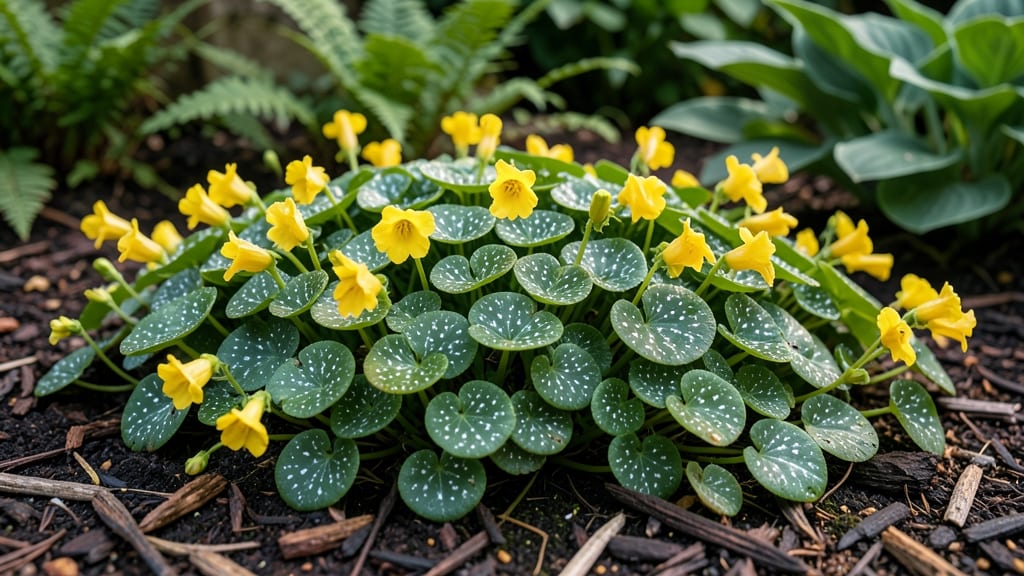
The best ground cover that grows in shade turns forgotten patches into vibrant, low-maintenance havens—just as I’ve discovered after testing dozens of hardy, weed-suppressing varieties. The key is choosing plants that match your light conditions and soil type.
Creeping phlox spreads like a velvety blanket, hostas offer bold foliage, and ferns add delicate fronds for a woodland feel. These plants handle dry shade better than most, and once established, they need little more than occasional trimming.
I’ve even used them to soften the edges of my darkest patio, where nothing else would grow. By summer, you’ll have a dense, weed-blocking layer that stays green through winter. The best part?
These plants pair beautifully with shade-loving perennials like astilbes or heucheras, creating a cohesive, low-maintenance garden that feels alive all year. For best results, prep your soil with compost and choose plants based on your shade level—deep shade vs. dappled light makes a difference.
Let’s pick the perfect mix for your space!
📚 In This Guide
- What you need
- Instructions
- Tips and common mistakes
- Wrapping up and next steps
What you need
- ● Ground cover plants: 10–20 plants (depending on coverage area; spacing varies by variety—check plant tags for specifics). Popular shade-tolerant options: Hosta, Sweet Woodruff, Lungwort, Creeping Jenny, or Ajuga.
- ○ Optional: Pre-grown plugs (faster results) or seeds (cheaper but slower to establish).
- ● Soil amendments: 2–3 gallons of compost or well-rotted manure per 10 sq. ft. (improves drainage and fertility).
- ● 1–2 cups of peat moss or coconut coir (for moisture retention in dry shade).
- ● Mulch: 2–3 inches of organic mulch (e.g., shredded bark, pine straw, or leaf mold) to suppress weeds and retain moisture.
- ● Basic tools: 1 garden trowel or transplant spade.
- ● 1 pruners (for trimming established plants).
- ● 1 garden hose with nozzle or watering can (for gentle watering).
- ● 1 gloves (to protect hands from soil and sharp plant edges).
- ● Site preparation: Clear the area of weeds, rocks, and debris (use a hand fork or hoe if needed).
- ● Test soil pH (most shade plants prefer 6.0–7.0; adjust with lime or sulfur if necessary).
- ● Water source: Ensure access to water for the first 2–4 weeks (shade plants need consistent moisture).
- ● Sunlight assessment: Confirm your area gets less than 4 hours of direct sun daily (partial shade is ideal for many ground covers).
- ● Local climate: Check your USDA Hardiness Zone to select plants suited for your region.
- ● 🌱 Layer planting: Combine slow-spreading plants (like Hosta) with fast-spreading ones (like Creeping Jenny) for a balanced look.
- ● 💧 Water deeply but infrequently: Shade plants often suffer from overwatering—let the top inch of soil dry out between waterings.
- ● 🌿 Fertilize lightly: Use a balanced, slow-release fertilizer (10-10-10) in early spring—avoid heavy feeding in shade.
How to create a thriving shade-loving ground cover garden
Shady spots don't have to stay bare—here's how to transform them into lush, low-maintenance living carpets.
🌿 Step 1: Choose the Right Shade-Tolerant Plants
Start with proven performers like creeping jenny (Lysimachia nummularia), sweet woodruff (Galium odoratum), or ajuga (Ajuga reptans). These spread beautifully in low light while requiring minimal care. I always check the mature spread size—some varieties like creeping jenny can reach 12 inches wide while others like ajuga stay more contained at 6-8 inches.
For year-round color, mix in shade-loving ferns like maidenhair fern (Adiantum) or Japanese painted fern (Athyrium niponicum). These add texture while filling gaps. The key is selecting plants that thrive in your specific shade conditions—dappled light versus deep shade—so test your spot's moisture and sunlight patterns first.
🪴 Step 2: Prepare the Soil for Optimal Growth
Shade plants often struggle in compacted or nutrient-poor soil, so work in 2-3 inches of organic matter like compost or well-aged manure. I like to mix this into the top 6 inches of soil to create a loose, airy texture that roots can easily penetrate. For clay-heavy soils, add pearlite or coarse sand to improve drainage.
Test your soil's moisture retention—shade plants typically prefer consistently moist but not soggy conditions. Amend with peat moss if your soil dries out too quickly, or compost if it stays waterlogged. A simple squeeze test helps: if soil crumbles when lightly pressed, it's ready for planting.
☀️ Step 3: Plant Strategically for Full Coverage
Begin by planting 12-18 inch spacing for most ground covers, allowing room for their mature spread. I like to stagger plants in a staggered pattern—like bricks in a wall—to create an even, seamless look from the start. For faster coverage, plant plugs rather than seeds, as they establish more quickly.
Dig holes twice as wide as the root ball but only as deep. This encourages roots to spread horizontally rather than settle too deeply. Water each plant immediately after setting it in the ground, pressing soil gently around the roots to eliminate air pockets. Mulch with 2-3 inches of shredded bark to retain moisture and suppress weeds.
💧 Step 4: Maintain Moisture and Control Weeds
Shade ground covers typically need 1-1.5 inches of water weekly, but check soil moisture first—water when the top 1-2 inches feel dry. I use a rain gauge to track precipitation so I don't overwater. Drip irrigation works best, delivering water slowly at the plant's base to minimize evaporation.
Weed control is critical during the first growing season. Apply 2-3 inches of mulch annually in early spring to smother weeds naturally. Pull weeds by hand when they're small, as most shade ground covers dislike competition. Fertilize lightly in spring with a balanced 10-10-10 formula—too much nitrogen encourages leafy growth at the expense of root development.
✂️ Step 5: Prune and Divide for Long-Term Health
Most shade ground covers need minimal pruning, but I trim back any leggy growth in early spring to encourage bushier, denser coverage. For aggressive spreaders like creeping jenny, I divide clumps every 2-3 years in early fall. Simply dig up sections with roots attached and replant them elsewhere in the garden.
Watch for signs of stress like yellowing leaves or sparse growth, which often indicate too much shade or poor drainage. If your ground cover starts thinning, it's time to assess whether it needs more light or better soil conditions. With proper care, a well-chosen shade ground cover will create a vibrant, low-maintenance carpet that thrives year after year.
Tips & tricks for perfect shade-loving ground cover
Transforming shady areas into vibrant living carpets takes a few key strategies—here's how to ensure your shade ground cover thrives from day one.
Selection Strategy: When choosing plants in Step 1, prioritize those with similar light requirements to your specific shade conditions. For example, creeping jenny thrives in dappled light while ajuga handles deeper shade better. I always test my garden's moisture levels by placing a clear plastic cup filled with water in the spot for 24 hours—if it evaporates completely, you need moisture-retentive plants like sweet woodruff.
Soil Prep Secret: In Step 2, don't just add compost—work it deeply into the top 6 inches of soil to create a loose, airy environment. I use a garden fork to loosen compacted soil before adding organic matter. For clay-heavy areas, mix in perlite at a 1:3 ratio with compost to improve drainage while maintaining moisture retention. This prep work makes all the difference for root development.
Planting Pattern: The staggered planting method in Step 3 creates an instant visual impact while allowing plants to spread naturally. I like to use a string line and stakes to create a grid pattern before planting, ensuring consistent 12-18 inch spacing. For faster coverage, plant plugs in a checkerboard pattern—this creates a dense carpet more quickly than random planting.
Watering Wisdom: When maintaining moisture in Step 4, remember that drip irrigation delivers water directly to the roots where it's needed most. I set my system to release water slowly over 30 minutes twice weekly, which mimics natural rainfall patterns. The key is keeping the top 1-2 inches of soil consistently moist without creating soggy conditions—this balance is what shade plants crave.
Pro Tips for Ground Cover That Grows In Shade
- Transforming shady areas into vibrant living carpets takes a few key strategies—here's how to ensure your shade ground cover thrives from day one.
- Selection Strategy: When choosing plants in Step 1, prioritize those with similar light requirements to your specific shade conditions.
- Soil Prep Secret: In Step 2, don't just add compost—work it deeply into the top 6 inches of soil to create a loose, airy environment.
Frequently asked questions
Got questions about shade-loving ground covers? You’re not alone! Here are some of the most common concerns—and their answers—to help you create a thriving, low-maintenance green space under the trees.
What’s the fastest-growing shade ground cover?
For quick results, opt for creeping Jenny (Lysimachia nummularia) or wild ginger (Asarum europaeum). Both spread rapidly (up to 12 inches per year) and form dense mats in partial to full shade. If you’re patient, pachysandra (Pachysandra terminalis) is a slower but reliable choice.
How long does it take for shade ground cover to establish?
Most shade-tolerant ground covers take 1–2 years to fully fill in, depending on the plant and growing conditions. Creeping thyme or ajuga may show progress in 6–12 months, while slower growers like heuchera take longer. Mulch and consistent moisture speed up the process!
Can shade ground cover survive drought once established?
Many shade-loving ground covers, like sedum (Stonecrop) or lamium, are surprisingly drought-tolerant after they’re established (usually after 1–2 years). However, they’ll need regular watering in the first year. Pro tip: Group drought-resistant varieties together to reduce maintenance.
What’s the best way to keep pests away from shade ground cover?
Most shade ground covers are pest-resistant, but slugs and snails love tender new growth. Use organic slug bait (like iron phosphate) or create barriers with diatomaceous earth. For fungal issues (like powdery mildew), improve airflow by spacing plants properly and avoid overhead watering.
Are there any shade ground covers that bloom?
If you want color, try ajuga (Bugleweed) (purple flowers), heuchera (Coral Bells) (spikes of white/pink), or lamium (Dead Nettle) (pink or purple blooms). Even pachysandra produces delicate white flowers in spring. Just note that blooms may be less frequent in deep shade.
Wrapping up and next steps
Transforming shady spots into vibrant, low-maintenance gardens is easier than you think! From hardy heucheras to delicate ajuga, these shade-loving ground covers offer year-round beauty with minimal effort. Whether you prioritize color, texture, or drought resistance, there’s a perfect match for your space.
Ready to take the next step? Start small:
- Sketch a rough layout of your shady area.
- Pick 1-2 plants to test (like pachysandra or lamium) for your soil and light.
- Visit a local nursery for expert advice—they’ll help you avoid common pitfalls!