
Light Requirements
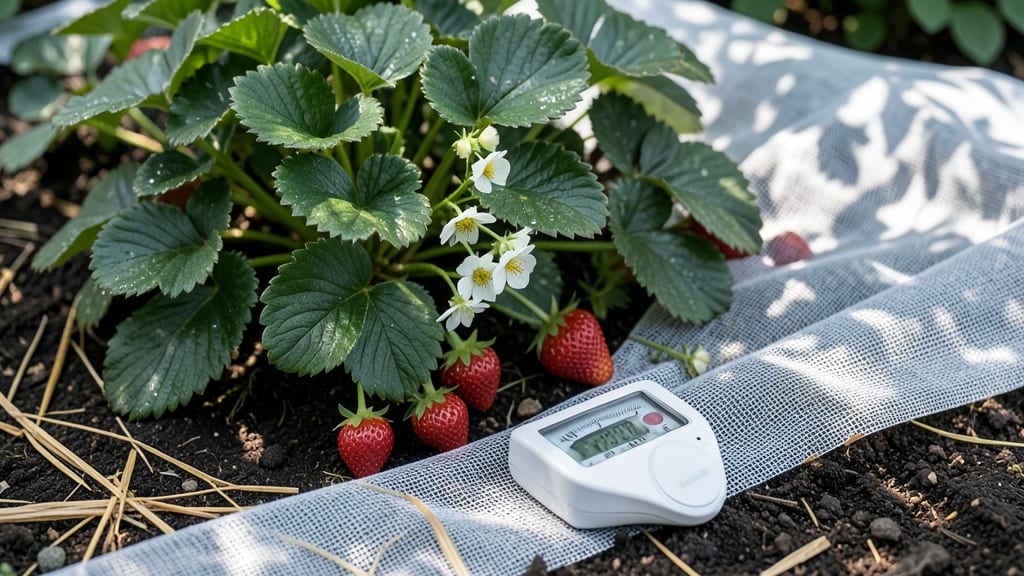
Do strawberries need sun or shade to flourish, ideally basking in at least 6 hours of direct light daily for sweet, abundant fruit—but too much scorching heat can backfire in hot climates.
Picture this: your 🍓 plants are lush and green, but the berries taste bland or crack under the midday glare. That’s a classic sign your light balance is off. The trick isn’t just slapping them in the sunniest spot—it’s matching their needs to your local climate.
In cooler USDA Zone 6a areas, full sun is non-negotiable for strong roots and flavor. But if you’re in a place where summer temperatures hit 90°F+, afternoon shade becomes your secret weapon.
We’ll show you how to strike that perfect balance—whether you’re planting in beds, containers, or even a windowsill.
By the end, you’ll know exactly how much sun your strawberries crave, how to spot when they’re begging for shade, and which tricks work best for your garden’s microclimate. Let’s get those berries bursting with flavor!
 Best Window Placement
Strawberry sun requirements: how much light do they need daily?
Strawberries thrive in sunlight, but not all varieties have the same needs. While most crave 6 to 8 hours of direct sun daily, some can tolerate partial shade—especially in hot climates. The key is understanding your strawberry type and local conditions to maximize sweet, juicy fruit production.
Let’s break down the perfect light balance for each variety and how to measure sunlight in your garden.
First, recognize that strawberries fall into three main categories: June-bearing, everbearing, and day-neutral. Each has slightly different sunlight preferences, though all prefer bright light. June-bearing varieties, which produce a single large harvest, need the most sun—at least 8 hours daily—to set fruit efficiently.
Everbearing and day-neutral types, which produce fruit in multiple flushes, can thrive with 6 to 7 hours of sun, though they’ll yield better with more.
To measure sunlight in your garden, use a simple sunlight tracking method. Place a white board or piece of cardboard in the spot where you plan to plant strawberries. Mark the shadows it casts every hour from sunrise to sunset.
If the shadow falls over the board for 6+ hours, it’s full sun. If it’s shaded for 3 to 6 hours, it’s partial shade. Use this data to position your plants for optimal growth.
Now, let’s clarify the ideal sunlight hours for each variety in a straightforward table:
| Variety | Ideal Sunlight Hours | Minimum Sunlight | Partial Shade Tolerance | Best For |
|---|---|---|---|---|
| June-bearing | 8+ hours | 6 hours | Poor (reduces yield) | Cool climates, large harvests |
| Everbearing | 6-7 hours | 5 hours | Moderate (hot afternoons) | Extended harvests, containers |
| Day-neutral | 6-8 hours | 5 hours | Good (hot climates) | Year-round production |
If your garden lacks full sun, don’t despair. You can still grow strawberries successfully with a few adjustments. For partial shade conditions, prioritize day-neutral varieties like Albion or Seascape, which tolerate 3 to 5 hours of shade daily.
Pair this with afternoon shade using a 30-50% shade cloth to protect leaves from intense midday sun. Mulching with straw or wood chips also helps regulate soil temperature and retain moisture.
In hot climates, afternoon shade is crucial to prevent leaf scorch and improve fruit quality. Position strawberries under deciduous trees or use temporary shade structures during peak summer months. Even 2 to 3 hours of afternoon shade can make a significant difference in berry sweetness and plant longevity.
Just avoid deep shade, which leads to leggy growth and poor fruiting.
For container growers, place pots in the sunniest spot available, even if it’s only a few hours. Rotate containers every few days to ensure even sunlight exposure.
South-facing windowsills or balconies with morning sun work well, but supplement with grow lights if natural light drops below 4 hours daily. LED grow lights on a 12-hour timer can bridge the gap during shorter days.
Remember, strawberries are resilient, and slight deviations from ideal sunlight won’t kill them. However, consistent light exposure is key to maximizing yields and flavor. Start by selecting the right variety for your light conditions, then fine-tune with shade solutions or mulching.
With the right balance, you’ll enjoy sweet, plump berries all season long.
🌱
Signs of too much sun vs. too little shade in strawberry plants
Strawberries thrive in 6+ hours of sunlight daily, but extremes can damage them. Too much sun causes leaf scorch and heat stress, while too little shade leads to weak stems and poor fruiting. Learning to spot these signs helps you adjust growing conditions before it's too late.
First, observe your plants' leaf color. Healthy strawberry leaves are deep green and vibrant. Sunburned leaves appear yellow or brown with crispy edges, especially on the top sides. In contrast, shade-stressed plants develop pale, yellowish leaves with sparse growth, signaling nutrient deficiencies from lack of light.
Berries also reveal light imbalance clues. Overly sunny conditions cause small, hard berries with bitter flavors, while insufficient light leads to underdeveloped fruit that never ripens. Both scenarios reduce your harvest yield and quality.
🌱
- 🔥 Brown/yellow leaf edges
- 🍓 Small, hard berries
- 🌡️ Wilted leaves midday
- 💧 Dry, crispy leaf texture
- 🌿 Pale, sparse leaves
- 🍓 Underdeveloped fruit
- ❄️ Leggy, weak stems
- 🌧️ Slow growth
- ✂️ Prune damaged leaves
- 🌳 Add shade cloth (30-50%)
- 💧 Water deeply morning/evening
- 🌱 Use reflective mulch
- ☀️ Move to sunnier spot
- 🌱 Thin plants for better airflow
- 💡 Use grow lights (12+ hrs/day)
- 🌿 Fertilize with nitrogen
For sunburned strawberries, start by providing afternoon shade using shade cloth or nearby trees. Drip irrigation in the morning helps reduce stress by keeping roots cool.
If your plants are in containers, move them to a location with partial shade during peak sun hours (11 AM - 3 PM).
If your strawberries show shade deficiency, gradually increase their sun exposure over 1-2 weeks to avoid shocking the plants. South-facing windows or raised beds in full sun work well. For indoor growers, supplement with LED grow lights placed 6-12 inches above the plants for 12-14 hours daily.
Regularly check your plants for early warning signs like yellowing leaves or weak stems. Adjusting light conditions early prevents permanent damage and ensures a bountiful harvest of sweet, juicy berries all season long.
🌿