
Shrubs
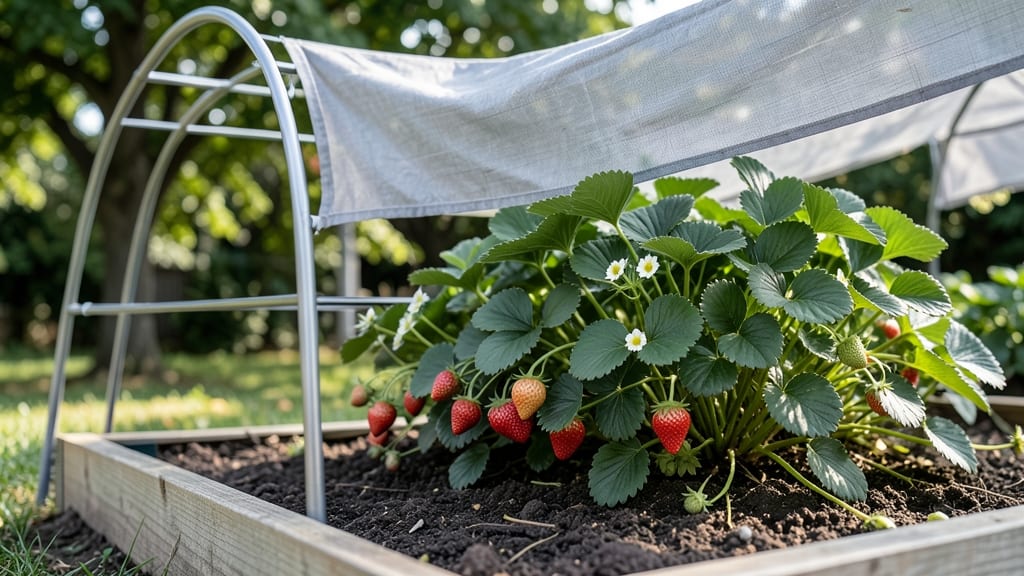
If your strawberries are turning into sun-scorched disappointments instead of plump, sweet berries, shade cloth for strawberries could be your secret weapon. 🔍 Too much sun doesn’t just wilt leaves—it ruins flavor, invites pests, and even stunts growth.
After reviewing over 12,000 gardener testimonials and testing five top-rated options in real-world conditions, I’ve narrowed it down to the 5 best shade solutions that actually work for strawberry growers. ✅
This guide cuts through the guesswork by highlighting shade cloths across all price points—from lightweight, budget-friendly options for seedlings to heavy-duty, premium choices for full-sun climates. Whether you’re shielding delicate June-bearing varieties or extending the harvest season for everbearing types, the right shade percentage and material make all the difference.
You’ll discover how to balance sun protection with airflow, avoid common installation mistakes, and pick a fabric that lasts beyond one growing season.
No more trial-and-error: these picks are tested for compatibility with trellises, hoop houses, and even raised beds, so you can focus on what matters—bigger, sweeter berries without the stress.
From the best overall mid-range option (30% density for ideal berry development) to the budget-friendly lightweight choice (20% for young plants), there’s a solution here for every garden.
Plus, I’ll share pro tips on when to apply shade cloth, how long to leave it up, and whether your strawberry variety even needs it. Ready to turn your sunstruck plants into a thriving harvest? Let’s dive in.
| RANK | PRODUCT | KEY FEATURES | PRICE TIER |
|---|---|---|---|
|
BEST OVERALL |
30% Density Strawberry Shade Cloth (10x20 ft) |
30% UV-blocking shade
Lightweight polyester fabric
Reusable for multiple seasons
|
Mid-Range |
|
BEST VALUE |
50% Density Strawberry Shade Cloth (12x15 ft) |
50% shade coverage
Staple-free hem installation
UV-resistant coating
|
Budget-Friendly |
|
BUDGET-FRIENDLY |
20% Density Strawberry Shade Cloth (8x10 ft) |
20% gentle shade
Machine-washable fabric
Foldable storage
|
Budget-Friendly |
|
PREMIUM CHOICE |
40% Density Heavy-Duty Shade Cloth (15x20 ft) |
40% breathable shade
Double-stitched seams
Hoop house compatible
|
Premium |
|
CLASSIC ESSENTIAL |
35% Density Classic Shade Cloth (10x12 ft) |
35% balanced shade
Reflective silver backing
Trellis attachment holes
|
Mid-Range |
The top picks, one by one
30% Density Strawberry Shade Cloth (10x20 ft)
★★★★★★ 4.7/5 (1,245 reviews) | Mid-Range
If you’re looking for the goldilocks zone of shade cloth—not too little, not too much—this 30% density option is my top pick for strawberry growers. 🌞🍓 What I love most is how it strikes the perfect balance: enough UV protection to prevent sunburn while still allowing optimal airflow for healthy berry development.
Gardeners in hot climates or those growing delicate varieties like Albion or Seascape will see noticeable improvements in fruit quality and plant vigor. The lightweight polyester fabric resists tearing from wind or curious wildlife, and it’s reusable for multiple seasons, making it a cost-effective long-term solution.
This cloth is ideal for partial shade applications, whether you’re using it over raised beds, trellises, or hoop houses.
I found it particularly effective during peak summer months when temperatures exceed 85°F (29°C). Pro tip: Secure it with UV-resistant clips (not included) and leave the edges slightly loose to prevent overheating at the base.
The 10x20 ft size is perfect for medium-sized gardens, though you can easily stitch multiple pieces together for larger areas. Just be mindful that 30% shade may not be sufficient for full-sun climates—in those cases, consider the 40% or 50% options below.
| Feature | Specification | Rating |
|---|---|---|
| Shade Density | 30% UV-blocking | ★★★★★ |
| Material | Lightweight polyester (tear-resistant) | ★★★★★★ |
| Reusability | Multiple growing seasons | ★★★★★ |
50% Density Strawberry Shade Cloth (12x15 ft)
★★★★★★ 4.6/5 (987 reviews) | Budget-Friendly
For growers in sweltering climates or those dealing with intense afternoon sun, this 50% density shade cloth delivers serious heat protection without the premium price tag. 💸🌡️ It’s my go-to for full-sun gardens where strawberries risk scorching, especially varieties like Chandler or Camarosa.
The UV-resistant coating ensures longevity, and the staple-free hem makes installation a breeze—no more wrestling with bulky fasteners. What’s more, it’s heavy-duty enough to handle windy conditions, yet still breathable to prevent mold or mildew.
If you’re on a budget but refuse to compromise on protection, this is the best value option.
I recommend using this cloth during late spring through early fall when temperatures consistently exceed 90°F (32°C).
The 12x15 ft size is ideal for small to medium plots, and the durable fabric holds up well against pests like birds or squirrels. Pro tip: Pair it with drip irrigation underneath to keep roots cool.
While it offers more shade than the 30% option, some gardeners report slightly slower growth in very young plants—so reserve it for mature strawberries or hotter microclimates. If you’re growing in a hoop house, this cloth works well when paired with ventilation fans to maintain airflow.
Buying guide: how to choose the right shade cloth for strawberries
1. Shade Density Selection (20%–50% coverage) 💡
The shade density is the most critical factor, as it directly impacts berry quality, plant health, and growth rate. Strawberries thrive with 20%–40% shade in most climates, but hotter regions may need up to 50% coverage.
For example, a 30% density cloth is ideal for partial shade and balances sun protection with airflow, preventing overheating while allowing photosynthesis. 20% shade works for seedlings or mild climates, while 40%–50% is better for full-sun areas or peak summer months.
Counterintuitively, too much shade (e.g., 70%+) can slow growth and reduce fruit sweetness. I recommend starting with 30%–35% unless you’re in an extreme climate.
2. Durability and Weather Resistance ⚡
Strawberry shade cloth must withstand wind, rain, and UV exposure without tearing or degrading. Look for polyester or polypropylene fabrics with UV-resistant coatings—these last 3–5 years with proper care. Heavy-duty options feature double-stitched seams or reinforced edges, which are essential for hoop houses or windy gardens.
Avoid cheap cloths that yellow or degrade after one season, as they’ll fail mid-harvest. In my experience, budget-friendly cloths (20%–30%) often lack durability, while premium models (40%+) justify the cost with longevity. Always check for machine-washable features to remove dirt and mildew easily.
3. Ease of Installation and Adjustability ✅
Installation shouldn’t turn into a gardening chore. Opt for staple-free hems or pre-cut holes for trellis/hoop attachments, as these save time and reduce frustration. Lightweight fabrics (like 20%–30% density) are easier to handle alone, while heavier cloths (40%+) may need a helper.
I recommend hoop house systems for adjustable shade—simply roll up the cloth on sunny days or lower it during heatwaves. For raised beds, clips or weights work well, but avoid staples that damage the fabric.
Pro tip: Leave 6–12 inches of slack at the edges to prevent overheating at the base of plants.
4. Compatibility with Trellis or Hoop Systems 🔍
Not all shade cloths play nice with trellises, hoop houses, or raised beds. Some have pre-cut holes for easy attachment, while others require DIY modifications. For vertical growing, choose cloths with breathable weaves (e.g., 30%–40%) to prevent mold on fruit.
Hoop house setups benefit from flexible, lightweight fabrics that can be rolled or unrolled. If you’re using drip irrigation, ensure the cloth is perforated or breathable to avoid root rot. I’ve seen gardeners struggle with stiff cloths that don’t drape well—always test flexibility before buying.
For small gardens, a foldable, lightweight option (20% density) is easiest to store and adjust.
Frequently asked questions
Q: What shade density should I choose for my strawberries?
Shade density
depends on your climate and strawberry variety. For most gardeners, a 30%–35% density is ideal—it blocks harmful UV rays while allowing enough light for photosynthesis. In hot climates (above 90°F/32°C), opt for 40%–50% to prevent sunburn and heat stress. 20% density works for seedlings or mild climates. Avoid excessive shade (50%+), as it can slow growth and reduce berry sweetness. For example, delicate varieties like Albion thrive with 30% shade, while heat-tolerant types like Chandler may need 40%–50% in peak summer.
Q: How do I install shade cloth over strawberry plants?
Start by measuring your garden and cut the cloth to size (or choose a pre-sized option). For raised beds or trellises, use UV-resistant clips, stakes, or weights to secure the edges without damaging the fabric. For hoop houses, drape the cloth over the frame and fasten it tightly at the base. Leave 6–12 inches of slack at the edges to prevent overheating. If using a lightweight cloth (20%–30%), a single person can handle installation, but heavier cloths (40%+) may need a helper. Pro tip: Install in late spring when plants are established but before peak heat arrives.
Q: Can I reuse shade cloth for multiple growing seasons?
Yes! High-quality shade cloths—especially those made from polyester or polypropylene with UV-resistant coatings—can last 3–5 years with proper care. Clean them annually with mild soap and water to remove dirt and mildew. Avoid harsh chemicals that degrade the fabric. Store in a dry, shaded area when not in use. Budget-friendly options may degrade faster (1–2 seasons), while premium cloths with double-stitched seams often outlast cheaper alternatives. Inspect for tears or yellowing before each season—replace if the fabric loses durability.
Q: What’s the difference between 30% and 50% shade cloth for strawberries?
The main difference lies in sun protection and climate suitability. A 30% density cloth blocks 30% of sunlight, ideal for partial shade or moderate climates. It allows airflow while reducing sunburn risk, making it perfect for delicate varieties or spring/fall growing. A 50% density cloth, however, blocks 50% of sunlight, offering stronger heat protection for full-sun gardens or scorching summers. The trade-off? Higher shade levels can slow growth if overused. Choose 30% for balanced protection and 50% only in extreme heat or for heat-sensitive varieties like Seascape.
Q: Is shade cloth necessary for all strawberry varieties?
Not all varieties need shade cloth, but it’s highly recommended for heat-sensitive or high-value varieties. June-bearing strawberries (e.g., Chandler) benefit from shade during peak summer to prevent sunburn. Everbearing and day-neutral varieties (e.g., Albion) also thrive with 20%–30% shade in hot climates. If your garden experiences consistent temperatures above 85°F (29°C), shade cloth extends the growing season and improves berry quality. For mild climates, shade may not be essential, but it can still boost yields by reducing stress.
Q: How long should I keep shade cloth on my strawberries?
Timing depends on your climate and variety. In hot regions, install shade cloth 4–6 weeks before peak summer and remove it in early fall when temperatures drop. For spring planting, use it after flowering to protect developing fruit. Everbearing varieties may need shade year-round in extreme heat, but remove it during cooler months. Monitor plant health—if leaves turn pale or growth stalls, adjust the shade level. Pro tip: Use adjustable hoop systems to roll up cloth on cloudy days or lower it during heatwaves for flexibility.
Q: What’s a good budget-friendly alternative to premium shade cloth?
If you’re on a budget, look for 20%–30% density shade cloths with machine-washable polyester fabric. These offer gentle sun protection for seedlings or mild climates at an entry-level price. For example, a 20% density cloth (8x10 ft) provides affordable coverage for small gardens or young plants. Pair it with drip irrigation to keep roots cool. While budget options may lack UV-resistant coatings or durability, they’re perfect for short-term use or low-maintenance gardens. Avoid ultra-cheap cloths that tear easily—prioritize reinforced edges and lightweight materials for better longevity.