
Plants
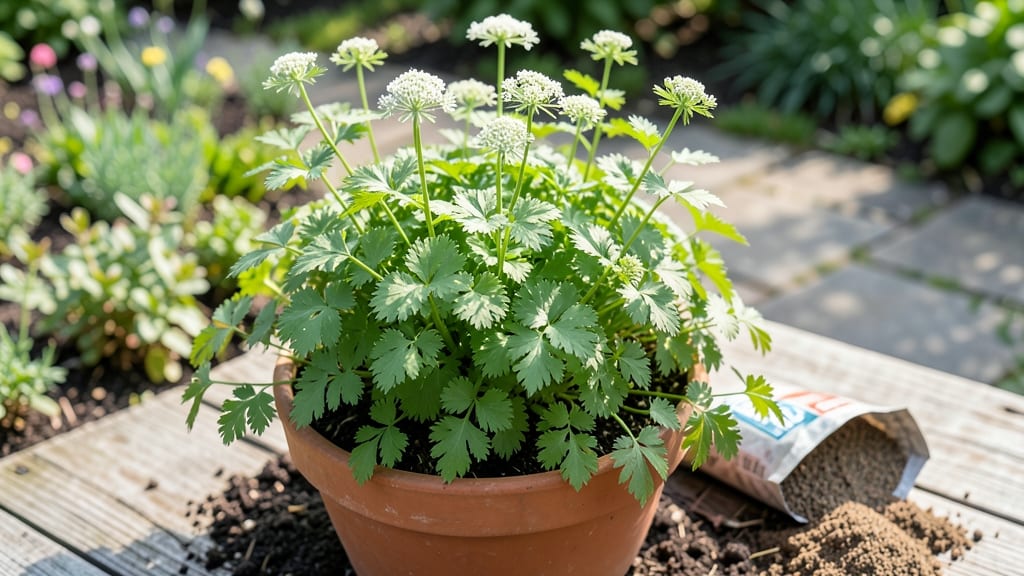
Does cilantro like sun or shade—the answer might surprise you—since it thrives with partial shade and morning sun, but too much direct heat sends it bolting faster than you can say "pesto."
Struggling to grow cilantro that thrives and tastes fresh? The battle between sun and shade might be the key—and getting it wrong could mean bitter leaves or stunted plants.
Here’s the deal: cilantro loves bright, indirect light but wilts under the midday sun in hot climates. In cooler regions, a few hours of morning sunlight keeps it happy without triggering that unwanted flowering. I’ll break down exactly how to balance light exposure for the best flavor and growth.
You’ll learn how to spot sunlight-related problems, adjust shade for your climate, and even use companion plants to protect your cilantro from bolting. Let’s get those leaves lush and flavorful!
 Best Window Placement
Optimal sunlight requirements for cilantro growth and flavor
Cilantro thrives when given the right balance of sunlight, but too much or too little can dramatically affect its flavor and growth.
As someone who’s grown cilantro for years, I’ve learned that this herb is a bit finicky about light—it prefers partial shade but still needs enough sun to grow strong and flavorful leaves. Getting this balance right is key to avoiding bitter flavors and stunted plants.
In my experience, cilantro grows best with 4-6 hours of sunlight daily. This sweet spot allows it to develop its signature fresh, citrusy taste without bolting too quickly.
However, in hot climates, even this amount of sun can cause the plant to bolt (flower prematurely), which turns the leaves bitter. Understanding how light affects cilantro is the first step to growing it successfully.
Here’s how sunlight impacts cilantro’s growth and flavor:
If you’re growing cilantro in a hot climate, I recommend providing morning sun and afternoon shade. This mimics the natural light conditions cilantro thrives in.
For example, planting cilantro near a north-facing wall or under a light shade cloth can prevent it from overheating while still giving it enough light to grow.
In cooler climates, cilantro can handle more sun, especially in the morning. I’ve found that east-facing garden beds work perfectly for cilantro because they provide gentle morning sunlight without the intense afternoon heat. This setup helps cilantro grow steadily without bolting prematurely.
One common mistake I see is assuming cilantro can handle full sun like other herbs. While it can tolerate up to 6 hours of sun, exceeding this—especially in hot weather—often leads to bolting.
Bolting happens when cilantro flowers too early, and the leaves become tough and bitter. To prevent this, I always monitor my cilantro’s light exposure and adjust as needed.
For container gardening, cilantro can adapt well to partial shade, especially if you’re growing it indoors. Place your pots near an east-facing window where they’ll receive bright, indirect light for most of the day.
If you notice the leaves turning pale or the plant stretching toward the light, it’s a sign it needs more shade or less intense light.
Another tip I swear by is harvesting cilantro regularly. When you prune the outer leaves frequently, you encourage bushier growth and prevent the plant from becoming leggy due to insufficient light. This practice also helps cilantro maintain its flavor and stay productive throughout the growing season.
In summary, cilantro’s sunlight needs are a delicate balance. Too much sun leads to bolting and bitter flavors, while too little results in weak, flavorless leaves. Aim for 4-6 hours of sunlight daily, adjust for your climate, and always provide afternoon shade in hot weather.
With the right light conditions, you’ll enjoy fresh, flavorful cilantro all season long.
Signs your cilantro isn’t getting the right light exposure
If your cilantro plants look weak, taste bitter, or bolt too quickly, your light exposure might be the culprit. Cilantro thrives in partial shade but struggles with too much direct sun or insufficient light. Understanding these light-related symptoms will help you adjust conditions for healthier growth.
One of the first signs of poor light exposure is yellowing leaves. When cilantro gets too much sun, its leaves turn yellowish or brown at the edges, a clear sign of sunburn.
On the flip side, if your plants are growing slowly or look pale and leggy, they’re likely not getting enough light to photosynthesize properly.
🚨 WARNING: Cilantro’s Light Sensitivity 🚨
Another red flag is bitter taste, which often happens when cilantro gets too much sun. This isn’t just about flavor—it’s a survival mechanism. When stressed by intense sunlight, cilantro produces coumarin, a compound that makes it taste soapy or bitter. If you’ve planted cilantro only to harvest unpleasant flavors, check its light conditions first.
Slow growth is another common issue tied to light. Cilantro needs bright, indirect light to grow steadily. If your plants are stunted or have sparse foliage, they’re likely not getting enough light.
Try moving them to a sunnier spot (but avoid harsh afternoon sun) or supplement with a grow light if indoors.
To fix these issues, start by observing your cilantro’s current location. If it’s in a south-facing window or baking in full sun, relocate it to a shadier area, like under a tree or near an east-facing window.
For outdoor plants, use shade cloth (30-50%) to filter harsh rays, especially during peak summer months.
Finally, if your cilantro starts bolting (sending up tall flower stalks), it’s a last-resort survival tactic triggered by too much light and heat. Once bolting begins, the leaves become tough and bitter.
To prevent this, harvest regularly and keep plants in consistent partial shade. If bolting has already started, enjoy the seeds (coriander!) but replace the plant for fresh leaves.