
Planting
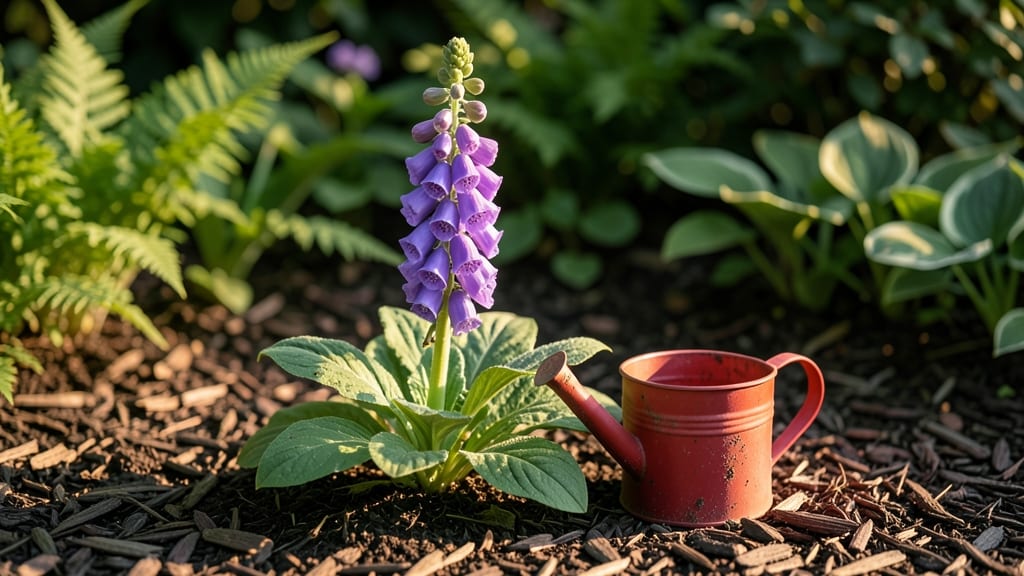
Foxglove plants thrive best in partial shade with morning sun and afternoon shade 🌸 — the sweet spot for those towering blooms you’ve been dreaming of.
Picture this: your foxglove leggy and weak, stretching toward the sun like a plant on a caffeine bender. That’s a sure sign it’s getting too much direct light, and the blooms? Forget it. But get the balance right, and you’ll reward yourself with sturdy stems and flowers that last.
Whether you’re in a hotter climate where afternoon sun is brutal or a cooler zone where morning light is golden, the key is understanding how to tweak exposure for your region. Too much sun? The leaves will scorch. Too little? You’ll get all foliage and no flowers.
Below, I’ll break down the exact light conditions foxglove craves, how to spot when it’s happy (or not), and the simple tricks to coax those 6-foot giants into your garden—no guesswork required.
 Best Window Placement
Foxglove sun requirements: how much light do they need?
Foxglove (Digitalis purpurea) thrives in partial shade, making it a perfect choice for gardeners with morning sun and afternoon shade. These towering beauties prefer 4-6 hours of sunlight daily, but too much direct sun can scorch their delicate leaves and reduce bloom quality.
Understanding their light needs is key to growing foxglove that reaches its 4-6 foot mature height with vibrant flowers.
The ideal balance of light ensures foxglove produces tall, sturdy stems and prevents common issues like leggy growth or weak blooms. In hot climates, afternoon shade is especially crucial to protect plants from heat stress.
Meanwhile, cooler regions can handle slightly more sun, especially in morning hours when UV intensity is lower.
| Light Condition | Sunlight Hours | Growth Impact | Bloom Quality |
|---|---|---|---|
| Full Sun (6+ hours) | 6-8 hours | Leggy, weak stems | Paler blooms, shorter spikes |
| Partial Sun (3-6 hours) | 4-6 hours | Strong, upright stems | Vibrant, tall blooms |
| Partial Shade (3-5 hours) | 3-5 hours | Healthy, compact growth | Rich colors, long-lasting |
| Deep Shade (<3 hours) | <3 hours | Slow growth, weak stems | Fewer blooms, pale color |
For gardeners in USDA Zone 6a, where foxglove grows best, morning sun paired with afternoon shade creates the perfect environment. Position your foxglove near east-facing windows or under dappled sunlight from nearby trees. This setup mimics their natural habitat in woodland edges and prevents sunburn on their broad leaves.
In hotter climates, like Zones 7-9, foxglove benefits from afternoon shade to prevent wilting. Use sheer curtains or plant taller shrubs to the west of your foxglove to filter harsh afternoon rays.
Even in cooler regions, avoid placing foxglove in full afternoon sun, as this can lead to heat stress and reduced flowering.
Seasonal adjustments are key to maintaining healthy foxglove. During spring and fall, when temperatures are mild, foxglove can handle up to 6 hours of sunlight. However, in summer's peak heat, reduce exposure to 3-4 hours of morning sun to prevent leaf scorch.
Monitor your plants closely—yellowing leaves or drooping blooms signal too much sun.
One common mistake is assuming foxglove thrives in deep shade. While they tolerate some shade, less than 3 hours of light results in leggy, weak stems and fewer blooms.
If your garden lacks natural shade, create it with lightweight shade cloth (30-50% coverage) during the hottest hours. This mimics their preferred partial shade conditions without stunting growth.
To maximize foxglove height and bloom quality, aim for 4-6 hours of bright, indirect light. This balance encourages strong stem development and vibrant flower production. For container-grown foxglove, place pots on patio tables or raised beds where they receive morning sun and afternoon shade.
Rotate containers occasionally to ensure even light exposure on all sides.
If your foxglove starts showing signs of light stress, like brown leaf edges or stretched stems, adjust their position immediately. Gradually acclimate seedlings to their final light spot over 1-2 weeks to avoid shock.
For established plants, prune leggy stems to encourage bushier growth and redirect energy toward new, healthier blooms.
Remember, foxglove's dramatic towering blooms are a reward for getting their light needs just right. With the right balance of morning sun and afternoon shade, your foxglove will flourish—reaching heights of 4-6 feet
Shade vs. sun: which conditions produce the tallest foxglove blooms?
Foxglove thrives in partial shade but adapts surprisingly well to varying light conditions. The key to taller blooms lies in balancing sunlight exposure with shade protection. Too much sun can scorch leaves, while too little shade may result in leggy stems and fewer flowers.
Let’s explore how three light conditions—full sun, partial shade, and deep shade—impact your foxglove’s height and floral display.
Most gardeners assume foxglove needs shade, but Digitalis purpurea actually tolerates morning sun beautifully. The color intensity of blooms peaks in partial shade, while stems reach their maximum height (up to 6 feet) when given 4-6 hours of filtered light daily.
Deep shade, however, often leads to pale flowers and weaker stems, reducing overall height by 30-50%.
| Variety | Light Condition | Max Bloom Height | Color Intensity | Bloom Longevity |
|---|---|---|---|---|
| Digitalis purpurea | Full Sun | 4-5 ft | Medium (fades faster) | 2-3 weeks |
| Digitalis purpurea | Partial Shade | 5-6 ft | High (vibrant) | 3-4 weeks |
| Digitalis grandiflora | Partial Shade | 4-5 ft | High (creamy yellow) | 4-5 weeks |
| Digitalis purpurea | Deep Shade | 2-3 ft | Low (pale) | 1-2 weeks |
For Digitalis grandiflora, partial shade is non-negotiable. This variety produces creamy yellow blooms that thrive under dappled sunlight, reaching heights of 4-5 feet with longer-lasting flowers (up to 5 weeks).
In contrast, Digitalis purpurea shows more flexibility but still benefits from morning sun paired with afternoon shade to prevent leaf scorch.
If you’re in a hot climate, prioritize afternoon shade to protect foxglove from intense midday rays. In cooler regions, full morning sun can boost stem strength and flower production.
Always monitor your plants for signs of stress, like yellowing leaves or drooping stems, which signal incorrect light exposure.
Pro tip: Use reflective mulch or light-colored gravel around your foxglove to bounce extra light onto stems in shadier spots. This trick can increase bloom height by up to 15% without moving the plant. Experiment with small adjustments to find the sweet spot for your local climate.
Remember, foxglove’s height potential is directly tied to light balance. While they won’t reach their full 6-foot stature in deep shade, they’ll still reward you with graceful blooms if given the right conditions.
Start with partial shade, then tweak based on your plants’ response—your foxglove will thank you with towering, vibrant displays all season long. 🌸🌿