
Shrubs
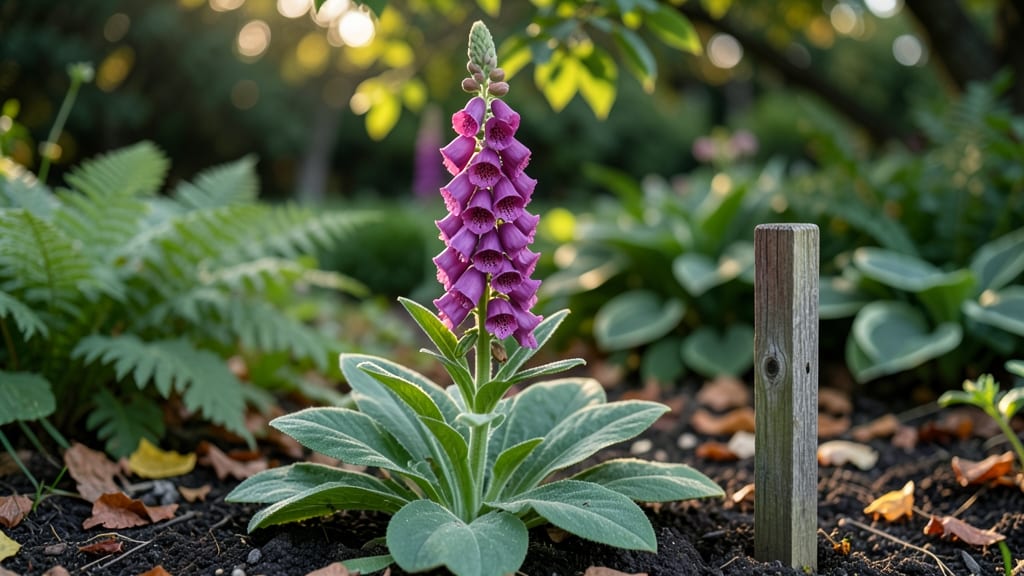
Foxglove thrives in partial shade but handles more sun than most people think. ✨ I’ve grown them in everything from morning sun with afternoon shade to full shade under trees—and they’ve bloomed beautifully in both.
The key is matching their light needs to your climate, not just the label’s generic advice.
In hot climates, foxglove needs afternoon shade to prevent wilting, while cooler regions can handle morning sun. They prefer well-draining, slightly alkaline soil with a touch of organic matter—think mulch or compost. Overwatering is the real enemy, so let the soil dry slightly between waterings.
What you’ll get are those iconic bell-shaped blooms—purple, pink, or white—reaching for the sky. They self-seed easily, so one plant can become a dramatic clump over time. Just avoid deadheading spent blooms if you want more seeds for next year’s show.
Works in borders, cottage gardens, or even containers with the right soil mix. The trick is patience: foxglove takes a year or two to really establish, but once it does, it’s a low-maintenance star. Here’s how to set yours up for success.
📚 In This Guide
- What you need
- Instructions
- Tips and common mistakes
- Wrapping up and next steps
What you need
- ● Foxglove seeds or nursery-grown plants: Seeds: 20–50 (for scattered planting; germination can be slow). Plants: 3–5 mature specimens (for immediate impact).
- ● Well-draining soil: Mix 1 part compost with 2 parts garden soil (foxgloves hate soggy roots!).
- ● Garden trowel or transplant spade (for digging holes 12–18" deep).
- ● Organic mulch: 2–3 inches of shredded bark or leaf litter (to retain moisture and suppress weeds).
- ● Watering can or hose with a gentle spray nozzle (foxgloves prefer consistent moisture but no waterlogging).
- ● Garden gloves (to protect your hands from prickly stems and potential skin irritants).
- ● Slow-release fertilizer (balanced 10-10-10) for nutrient-boosting (sprinkle lightly at planting time).
- ● Stakes or pebbles (to mark seed locations if sowing directly in the garden).
- ● Shade cloth (30–50%) for seedlings if planting in hot, sunny spots.
- ● Pruning shears (for deadheading spent blooms to encourage reblooming).
- ● Companion plants: Try hostas or ferns for shade-loving pairings, or lavender for sun-tolerant borders.
How to grow foxglove in any light condition
These striking plants thrive with surprisingly little fuss—here's how to get those iconic blooms whether your spot is sunny or shady.
🪴 Step 1: Choose the Right Location for Your Light Conditions
Foxglove handles both sun and shade beautifully, but the key is matching your site to the variety. Tall cultivars like 'Excelsior' or 'Giant Candles' love full sun to partial shade—at least 4-6 hours of direct light—for their best height and flower production. Shorter varieties such as 'Greenhouse Envy' or 'Dalmatian' tolerate partial to full shade, especially in hot climates where afternoon sun can scorch leaves.
Test your spot by observing how much light it gets throughout the day. If leaves stay dark green and crisp, you're in the shade-friendly zone. If they yellow or crisp by late afternoon, your foxglove will need afternoon shade protection in hotter regions. I always plant mine where they'll get morning sun and afternoon dappled light—this balance keeps them happy year after year.
🌱 Step 2: Prepare Soil for Foxglove's Needs
Foxglove roots love well-draining, slightly acidic soil with a pH between 6.0 and 7.0. If your garden soil is heavy clay, mix in 2-3 inches of compost and 1 inch of perlite to improve drainage before planting. I like to work in a handful of slow-release organic fertilizer (like 10-10-10) at planting time to give the roots a nutrient boost without overwhelming them.
Dig a hole twice as wide as the root ball but only as deep as the container it came in. Foxglove roots are sensitive to being buried too deep, which can cause rot. Gently loosen the roots if they're circling in the pot, then place the plant in the hole and backfill with soil. Press lightly around the base to remove air pockets, but don't compact the soil—foxglove needs room to breathe.
☀️ Step 3: Plant and Water for Immediate Establishment
Water deeply right after planting to settle the soil and eliminate air gaps around the roots. Use 1-2 gallons of water per plant, enough to moisten the soil 12 inches deep. You'll know it's right when water drains out the bottom of the hole—this ensures the roots make contact with moist soil immediately. After that, water once weekly unless you get 1 inch or more of rain, checking that the top 2 inches of soil stay moist but not soggy.
Here's the thing—foxglove is drought-tolerant once established, but young plants need consistent moisture. I set up a drip irrigation system on a timer for my first season to avoid over- or under-watering. Mulch with 2-3 inches of shredded bark around the base (but keep it 3 inches away from the stem) to retain moisture and suppress weeds. This mulch layer also protects roots from extreme temperature swings.
🌿 Step 4: Support and Maintain for Long-Term Blooms
Foxglove stems are tall and top-heavy, so staking is a must unless you're planting in a wind-protected spot. Use 5-6 foot tall stakes or a tomato cage inserted 6 inches into the soil beside each plant. Gently tie the stems to the support with soft plant ties as they grow—never use wire or anything that can cut into the stems. I like to wait until the plants reach 12 inches tall before staking, giving them time to establish their own strength first.
Deadhead spent blooms by snipping the flower stalk just above the next set of leaves to encourage a second flush of flowers. This is where foxglove gets its reputation for repeat blooming—with proper care, you can enjoy flowers from early summer through fall. Fertilize lightly in early spring with a balanced organic fertilizer (like 5-5-5) to support new growth, but avoid heavy feeding once flowering begins—too much nitrogen leads to lush foliage but fewer blooms.
⏰ Step 5: Overwinter and Plan for Next Year
Foxglove is a perennial in USDA zones 3-8, meaning it comes back year after year with proper care. In colder zones, mulch heavily with 4-6 inches of straw or leaves after the first hard frost to insulate the roots. In warmer zones, foxglove often self-seeds prolifically—if you don't want volunteers popping up everywhere, deadhead before seeds mature or collect seeds for controlled planting.
In early spring, remove old flower stalks and any dead or damaged foliage, but leave the basal leaves intact. These leaves photosynthesize and build energy for next year's blooms. I like to fertilize lightly again in late winter with a low-nitrogen formula (like 3-4-6) to encourage strong stem development. Watch for foxglove blight (a fungal disease causing dark spots)—if you see it, remove affected leaves immediately and space plants for better airflow.
Tips & tricks for growing foxglove in any light
Here's what I've learned after growing foxglove in both sun and shade—these tricks help you avoid common pitfalls and get those showstopping blooms.
Light Condition Intelligence: When selecting your spot in Step 1, pay attention to how the light shifts throughout the day. Morning sun with afternoon shade is ideal for most foxglove varieties. If you're in a hot climate, watch for signs of stress like yellowing leaves by late afternoon—this means your foxglove needs more shade protection. I've found that even partial afternoon shade can make all the difference in preventing leaf scorch, especially for taller varieties like 'Excelsior'.
Soil Preparation Pro Tip: In Step 2, don't skip the perlite! I've learned this the hard way—heavy clay soil without proper amendment can lead to root rot, which is fatal for foxglove. The 1 inch of perlite creates just the right drainage while still holding moisture. For an extra boost, I like to add a handful of worm castings to the planting hole—they're packed with beneficial microbes that help establish roots quickly. Remember, foxglove roots need to breathe, so avoid compacting the soil when backfilling.
Watering Wisdom: The deep watering in Step 3 is crucial, but timing matters too. I've found that watering in the early morning gives the soil time to absorb moisture before the heat of the day. If you're using a drip irrigation system, set it for 15-20 minutes per plant—the 1-2 gallons should soak down to 12 inches. For containers, make sure they have drainage holes and never let them sit in saucers of water, which can cause root rot. The mulch ring you create in Step 3 should be kept 3 inches away from stems to prevent moisture buildup that can attract slugs.
Staking Strategy: When it comes to support in Step 4, I've found that waiting until plants reach 12 inches tall gives them enough strength to handle light winds on their own. For taller varieties, use the 5-6 foot stakes you'll need, but don't bury them too deeply—they should be inserted just 6 inches into the soil. I've had success using soft plant ties made from old t-shirts cut into strips—they're gentle on stems and won't cut into the plant as it grows. And remember, foxglove stems are surprisingly strong once established, so don't over-support them unless you're in a windy location.
Pro Tips for Foxglove Sun Or Shade
- Here's what I've learned after growing foxglove in both sun and shade—these tricks help you avoid common pitfalls and get those showstopping blooms.
- Light Condition Intelligence: When selecting your spot in Step 1, pay attention to how the light shifts throughout the day.
- Soil Preparation Pro Tip: In Step 2, don't skip the perlite!
Frequently asked questions
Got questions about growing foxglove in sun or shade?
Here are answers to the most common concerns—from placement to care tips—so you can cultivate these dramatic blooms with confidence!
Can foxglove grow in full sun or does it prefer shade?
Foxglove thrives in partial shade (3–6 hours of sunlight daily), especially in hot climates. While it tolerates morning sun, avoid harsh afternoon rays, which can scorch leaves. In cooler zones, it may handle more sun—but always prioritize dappled light for the best blooms!
How do I know if my foxglove isn’t getting enough light?
Watch for these signs: leggy stems, sparse blooms, or yellowing leaves. If your foxglove looks stretched out or flops over, it’s likely light-starved. Move it to a brighter spot gradually (avoid sudden sun exposure to prevent shock). A north-facing window or under tall trees works well!
Are there foxglove varieties that love full sun?
Most foxglove prefers shade, but some tolerate sun better, like 'Excelsior' or 'Giant Fleece'. These varieties have thicker leaves to handle more light. For sun exposure, pair them with mulch to retain moisture and avoid afternoon heat. Test a small patch first!
Why do my foxglove flowers keep dying before they open?
This often happens due to stress from heat or drought. Foxglove blooms are delicate—ensure consistent moisture (but avoid soggy soil) and protect from direct midday sun. Deadheading spent blooms also encourages new growth. If buds drop, check for aphids or fungal spots (common in humid shade).
Can I grow foxglove in containers if I don’t have a garden?
Foxglove adapts well to 10–12" deep pots with well-draining soil. Choose a container with drainage holes and place it where it gets morning sun + afternoon shade. Water regularly (containers dry faster) and fertilize lightly in spring. Just avoid overcrowding—foxglove needs room to spread!
Wrapping up and next steps
So, whether you’re basking in full sun or nestled in dappled shade, foxglove thrives with the right care—and isn’t that the magic of gardening? 🌿✨ These striking blooms prove that even the pickiest plants can adapt with a little love (and maybe a few adjustments to soil or watering).
Ready to transform your garden into a fairy-tale retreat? Start by snagging your foxglove plants or seeds today, and watch as they reward you with towering spires of color—no matter where the light falls!
Pro tip: Snap a photo of your foxglove’s first blooms and tag us—we’d love to see your garden’s new star! 📸💬