
Light Requirements
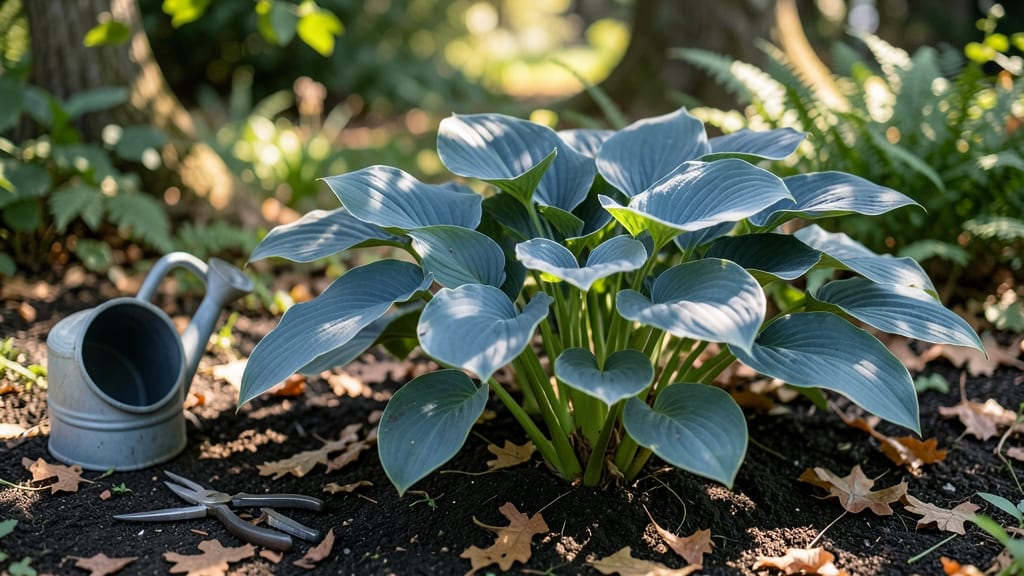
Understanding partial shade isn't just about counting hours—it's about the quality of light your plants receive. ☀️ Morning sun is generally gentler than afternoon rays, so positioning matters.
For example, a plant needing 4-6 hours might thrive under a deciduous tree that filters light, while the same plant in a southern exposure could scorch if exposed for the same duration.
Coastal climates often allow slightly more sun exposure due to humidity, whereas inland areas may require stricter shade limits to prevent leaf burn. The key is observing how your plants respond: yellowing leaves or leggy growth usually signals they need more light, while crispy edges mean they're getting too much.
This balance isn't just theoretical—it directly impacts plant health. Moisture-loving species like astilbe or impatiens will flourish in this middle ground, while sun-seekers like sunflowers will languish. I've found that 3-4 hours works well for delicate foliage, while 5-6 hours suits hardier varieties.
The trick is matching your plants' native habitat conditions to your garden's microclimate.
💡 In This Article
- How Sunlight Hours Define Partial Shade Conditions
- Best Plants for Partial Shade and Their Sunlight Needs
How sunlight hours define partial shade conditions
Partial shade isn't just about counting sunlight hours—it's about understanding how light intensity and duration interact with plant biology. The 3-6 hour range represents a Goldilocks zone where photosynthesis remains optimal without triggering stress responses.
Morning sun (6 AM–12 PM) typically provides gentler, less intense UV exposure compared to afternoon rays (12 PM–6 PM), which can exceed 1,000 foot-candles of light intensity on clear days. This difference explains why many partial-shade plants thrive when morning sun dominates their exposure.
The quality of light changes dramatically based on tree canopies. Deciduous trees like maples or oaks create dappled shade by filtering sunlight through leaves, reducing intensity by 30-50% while maintaining UV spectrum diversity. Evergreens, however, block nearly all direct light year-round, creating deep shade conditions that few plants tolerate.
Coastal regions often allow slightly longer exposure times because higher humidity increases light diffusion, while inland areas may require stricter shade limits to prevent leaf burn during summer afternoons.
Climate plays a surprising role in defining partial shade. In northern latitudes, the sun's lower angle naturally creates more diffused light, so plants might tolerate 5-6 hours of exposure that would scorch them in southern climates.
The 10% rule applies here: for every 1,000 feet in elevation gain, sunlight intensity decreases by about 10%, effectively extending the safe exposure window. This is why mountain gardens often support more partial-shade species than valley gardens at the same latitude.
What most gardeners overlook is the seasonal variation. A tree's canopy density changes dramatically between spring (when leaves are sparse) and summer (full foliage). This means your 4-hour partial-shade plant in June might receive 6+ hours in April.
The solution? Observe your garden's light patterns throughout the year using a light meter or by tracking shadows with a stake—this data reveals the true partial shade conditions your space provides.
Here's what happens at the cellular level: Plants in partial shade develop thicker cuticles and more chlorophyll in their upper leaves to maximize light capture, while their lower leaves often turn lighter green as they adapt to lower light conditions.
This physiological response explains why some plants appear healthier in partial shade than in full sun—they're not struggling, they're optimizing their energy production. 💫
For practical application, consider this rule of thumb: If you can comfortably read a book under the shade spot during peak afternoon sun (around 2 PM), you're likely in the 3-4 hour range.
If the light feels too bright for reading but still casts visible shadows, you're probably in the 4-6 hour zone. This simple test eliminates guesswork when evaluating your garden's light conditions.