
Tools
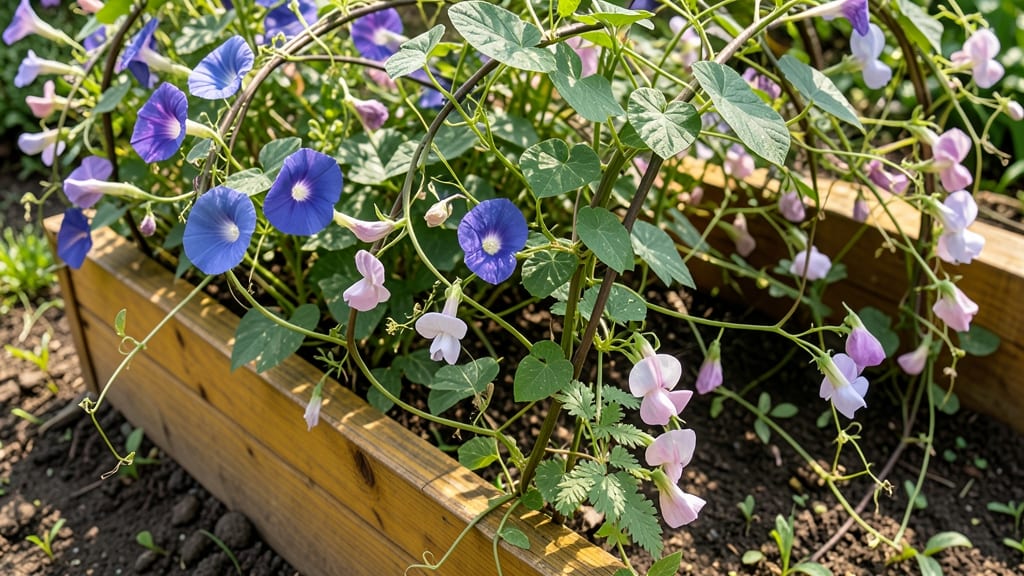
Maximize your raised garden bed’s potential with these 10 creative trellis designs. From vertical space-saving solutions to decorative supports that enhance your garden’s aesthetic, these climbing plant trellises will transform your harvest and elevate your gardening game.
DIY Bamboo Trellis for Quick Vertical Growth
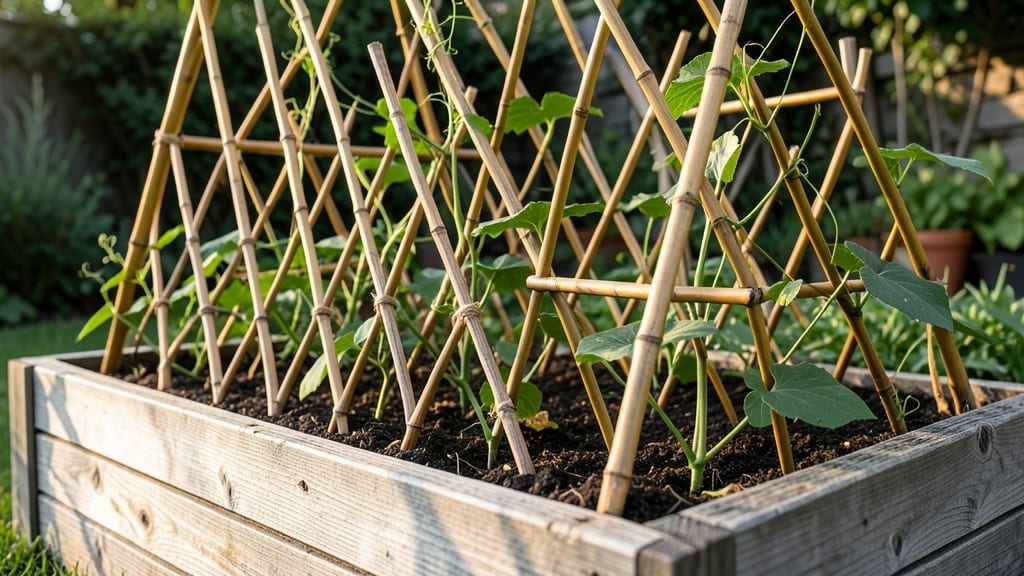
Small gardens and tight spaces don’t have to mean sacrificing vertical growth—bamboo trellises are your secret weapon for quick, affordable support. This lightweight, rustic option costs a fraction of metal or wood while offering natural beauty and easy assembly, making it ideal for cucumbers, pole beans, or peas that need upward guidance.
Start by bundling 3-5 bamboo poles (3-4 feet tall) together at the base and securing them with twine or zip ties. Space them evenly around your raised bed, then weave horizontal bamboo slats between them for climbing support. The flexible nature of bamboo prevents damage from wind, and its natural gaps allow airflow to keep plants healthy. For extra stability, sink the base poles 6 inches deep into the soil or bedding.
This trellis is perfect for beginners or urban gardeners with limited space or budget—it’s easy to customize, blends seamlessly into any garden, and gives your plants the boost they need to thrive. 🌱
Metal Arch Trellis for Elegant Climbing Roses
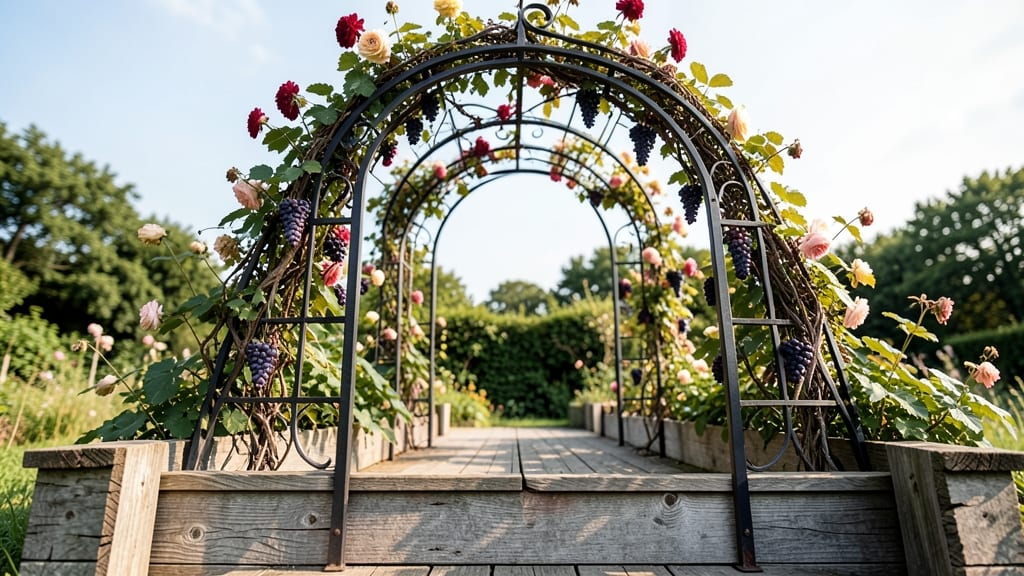
Transform your raised garden bed into a romantic cottage garden focal point with a metal arch trellis, designed to cradle climbing roses or heavy vines like grapes. These sturdy arches not only provide the perfect vertical support for heavy blooms but also add a touch of vintage charm that complements any garden style.
Choose arches made from galvanized steel or wrought iron for durability and rust resistance, ensuring they last for years. Install them at the corners of your raised bed or along pathways to create a natural archway effect. For roses, plant them at the base of the arch and gently weave the canes through the structure as they grow—this encourages upward growth and prevents sprawling. These trellises are also ideal for grapes or clematis, offering the strength needed to support their weight.
Perfect for gardeners who love a mix of function and beauty, metal arch trellises are especially great for cottage-style gardens or small spaces where you want to make a bold statement. The contrast of delicate blooms against the metal creates a stunning visual, while the sturdy design ensures your plants thrive. 🌷
Obelisk Trellis for Compact Garden Spaces
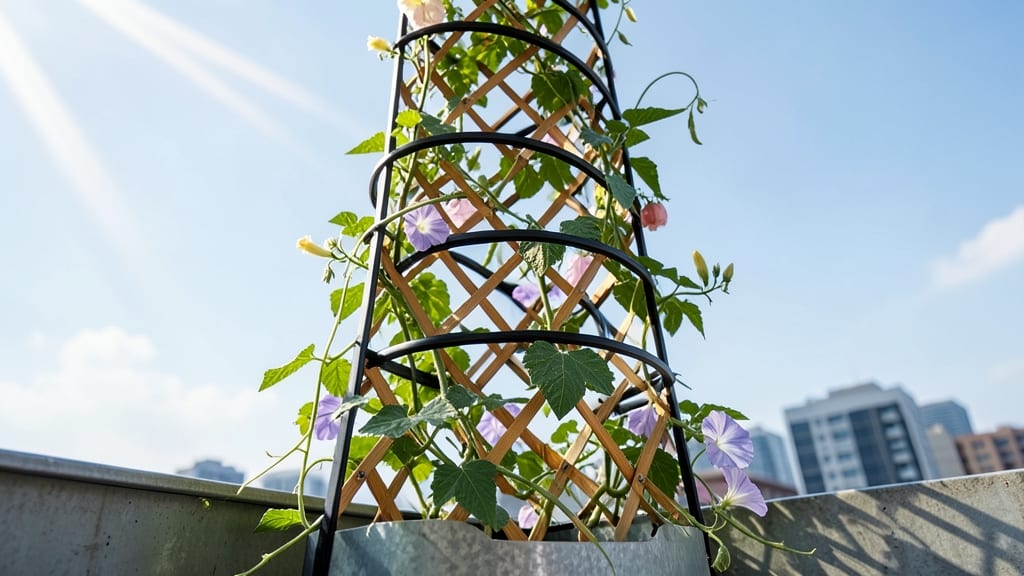
Turn your small balcony or urban garden into a vertical harvest hub with an obelisk trellis—the ultimate space-saver for tomatoes, pole beans, or morning glories. This elegant, multi-tiered design fits seamlessly into tight spaces while directing growth upward, where sunlight and airflow optimize plant health.
Constructed from sturdy materials like wood or metal, obelisk trellises feature four slender poles that converge at the top, creating a stable framework for vines to twine. For urban gardeners, choose a lightweight version that won’t overwhelm your space, or opt for a powder-coated metal model for durability. Plant determinate tomatoes or bush beans at the base and watch them climb naturally, maximizing your yield in just a few square feet.
This trellis is ideal for balcony gardens or raised beds where horizontal space is limited but vertical potential is high. With minimal maintenance and a timeless aesthetic, it’s a game-changer for small-scale growers. 🌻
PVC Pipe Trellis for Customizable Height Adjustments
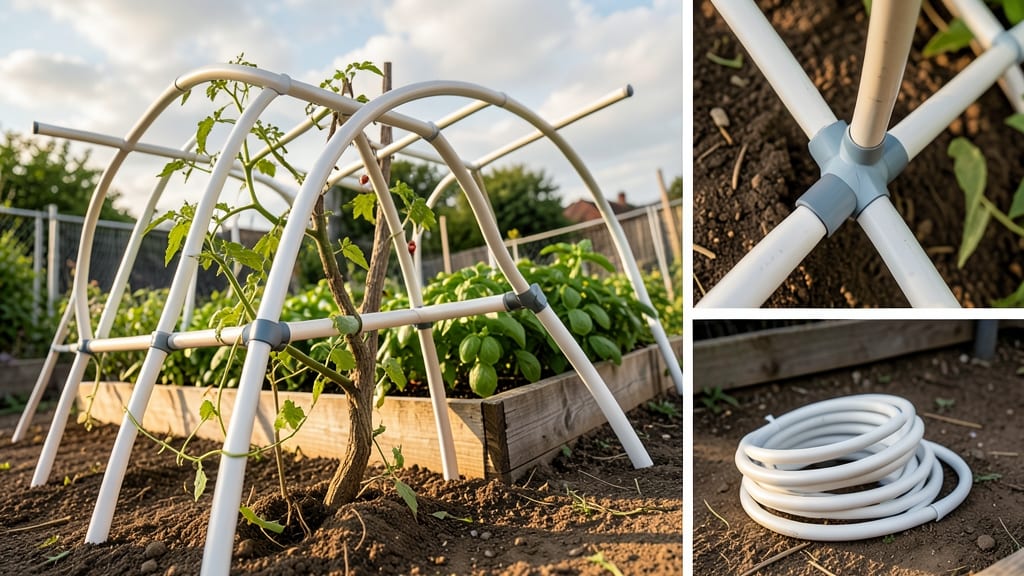
Tired of trellises that only work for one plant type? A PVC pipe trellis lets you adjust heights on the fly—perfect for modern or industrial-style gardens where versatility matters. This budget-friendly solution uses simple connectors to create grids, arches, or even spirals, all from materials you can find at any hardware store.
Start by cutting PVC pipes to your desired lengths (4-8 feet works well for most raised beds) and use T-connectors or elbow joints to build your design. For cucumbers or beans, a 4-foot grid works best, while heavier vines like grapes need taller, more robust structures. Paint the pipes with outdoor-safe paint to match your garden’s aesthetic, and secure them to the bed’s edges with zip ties or screws.
This trellis shines for gardeners who love customizable layouts without the cost of metal or wood. It’s especially great for urban spaces where you need to maximize vertical growth while keeping things sleek and functional. 🌻
Wire Mesh Trellis for Heavy Fruiting Plants
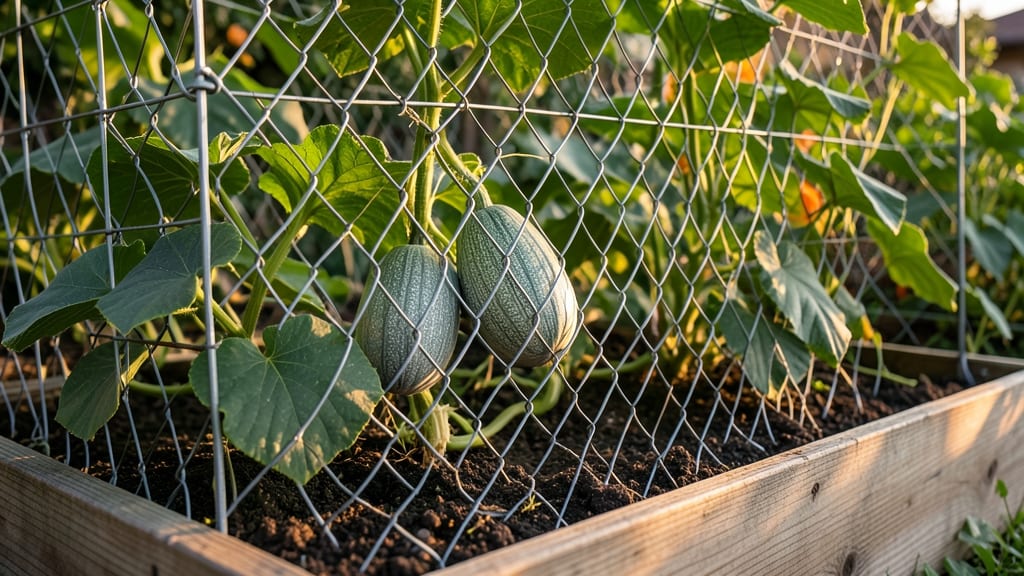
When your squash, melons, or pumpkins start sprawling like unruly toddlers, a wire mesh trellis steps in as the ultimate plant parent—durable yet flexible enough to handle their weighty growth without breaking a sweat.
Made from galvanized steel or heavy-duty wire, this trellis offers year-round durability against rust and bending, while its open weave lets vines latch on naturally. Install it vertically along the bed’s edge or lean it against a fence for a low-profile look. For extra stability, sink the base into the soil or secure it with stakes—perfect for heavy fruiting plants that need both support and airflow.
Urban gardeners with limited space or rustic farmers wanting a no-fuss solution will love how this trellis blends function with versatility. 🌻
Hobbit-Style Stone Trellis for Rustic Gardens
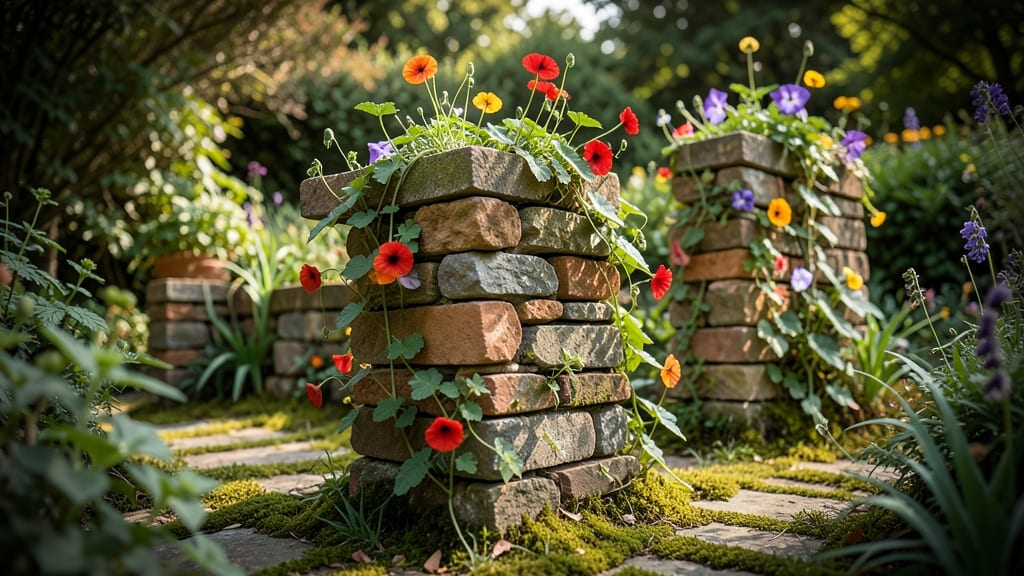
Step into a storybook garden with a hobbit-style stone trellis that blends seamlessly into rustic landscapes. This handcrafted design uses local stones or bricks to create a whimsical, fairy-tale atmosphere while providing sturdy support for climbing plants like peas, nasturtiums, or clematis.
To build yours, stack stones or bricks in a gentle arch or spiral shape, securing them with mortar or natural clay for stability. The porous nature of stones allows vines to cling naturally, while the earthy texture complements traditional garden aesthetics. Place it near a seating area to create a cozy, enchanted corner where you can enjoy the view of blooming nasturtiums or fragrant roses winding their way upward.
Perfect for gardeners who love natural materials and want to add charm without sacrificing function, this trellis is ideal for cottage-style gardens, heritage plots, or any space where you want to evoke a sense of timeless magic. 🌷
Spiral Trellis for Compact Vertical Gardening
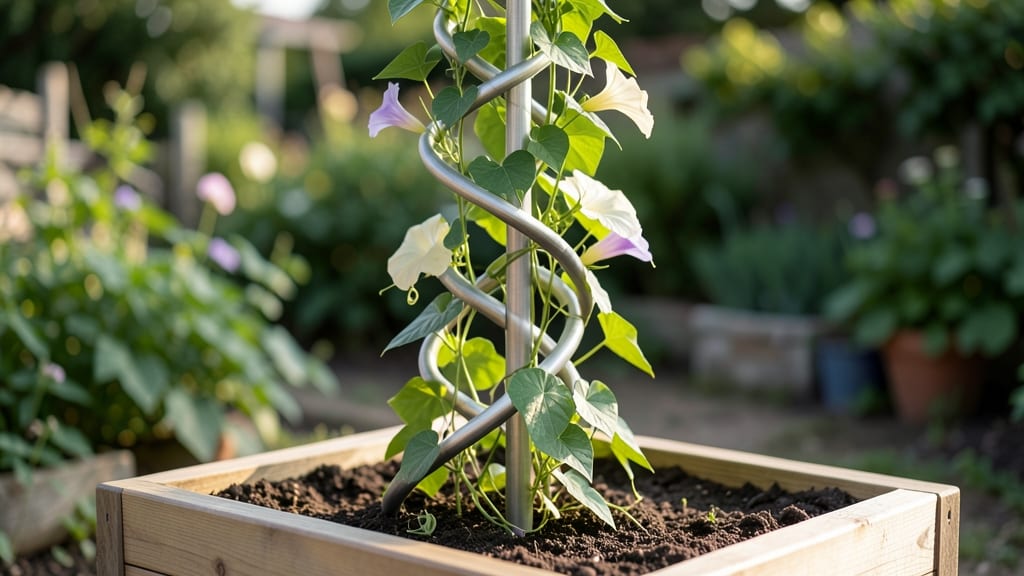
Transform your small raised bed into a vertical garden wonderland with a spiral trellis—the ultimate space-saver for compact gardens. This sleek design guides plants like morning glories or pole beans to twist upward in a controlled spiral, doubling your growing area without expanding your footprint.
Constructed from lightweight materials like powder-coated metal or bamboo, spiral trellises are easy to install and sturdy enough to support 10+ pounds of vines. The twisting pattern naturally encourages upward growth, reducing the need for pruning while creating a futuristic aesthetic. Perfect for container gardens or narrow raised beds, it’s ideal for urban gardeners or anyone craving a modern twist on vertical gardening.
This design isn’t just functional—it’s a conversation starter. Whether you’re growing edibles or ornamental climbers, the spiral trellis turns limited space into a high-impact garden feature. 💡
Wooden Teepee Trellis for Native American-Inspired Gardens
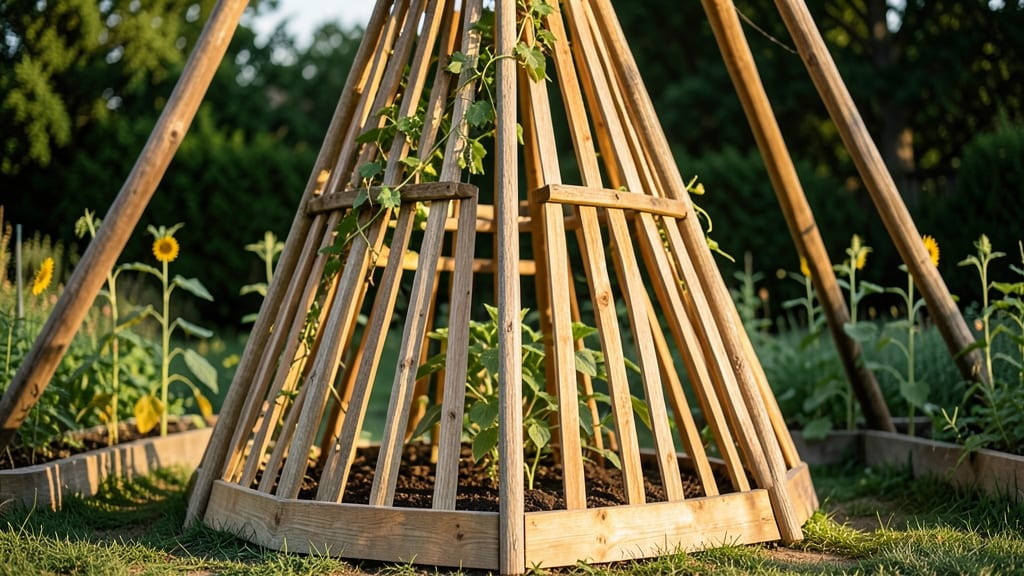
Bring a touch of history and tradition to your raised garden bed with a wooden teepee trellis, inspired by Native American gardening techniques. This sturdy, conical design isn’t just functional—it’s a nod to centuries-old agricultural practices that supported corn, beans, and sunflowers with strength and elegance.
Constructed from untreated cedar or pine, these trellises provide unwavering support for tall, heavy plants while blending seamlessly into natural landscapes. Plant pole beans or dwarf sunflowers at the base, and watch them climb upward, creating a striking vertical display. The open structure allows for easy maintenance and airflow, reducing disease risk while maximizing your harvest.
Perfect for gardeners who appreciate cultural heritage or those growing traditional Three Sisters crops (corn, beans, and squash), this trellis adds both beauty and function to your space. It’s especially ideal for larger raised beds where height and stability matter most. 🌻
Decorative Metal Grid Trellis for Modern Gardens
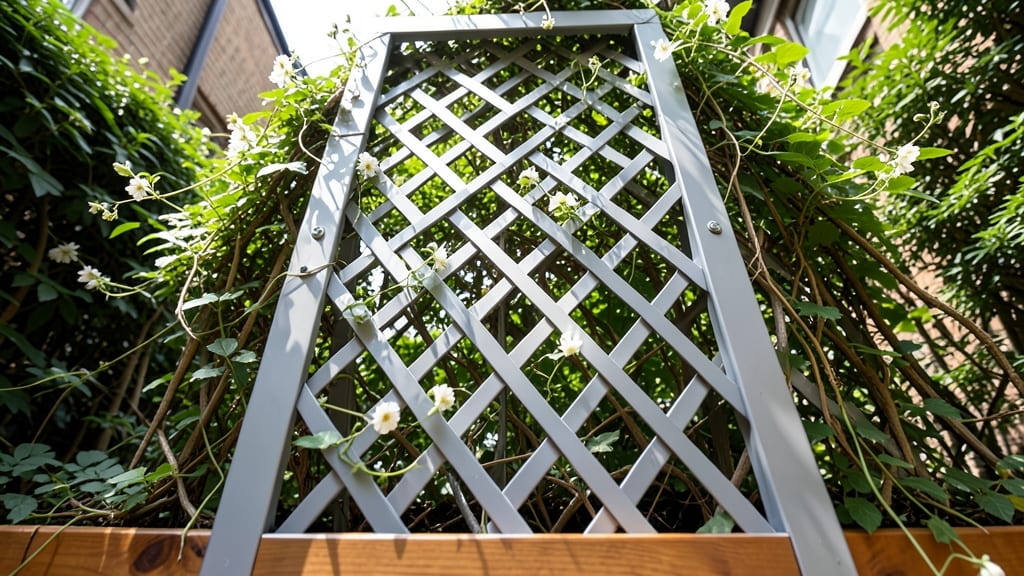
Transform your urban garden into a modern oasis with a decorative metal grid trellis—the perfect blend of function and style. These sleek, geometric designs elevate jasmine or clematis while requiring minimal upkeep, making them ideal for busy gardeners who love a polished look.
Made from powder-coated steel or aluminum, these trellises resist rust and weathering, ensuring long-lasting durability even in harsh climates. The open-grid design allows airflow to prevent fungal diseases while providing sturdy support for climbing vines. Install them vertically along fences or horizontally atop raised beds for a clean, architectural statement.
Perfect for city dwellers or minimalist landscapes, this trellis adds a contemporary edge without sacrificing practicality. Pair it with drought-tolerant succulents for a low-maintenance, high-impact garden that turns heads. ✨
Living Trellis with Fast-Growing Vines

Skip the store-bought trellis and let nature do the work with a living trellis made from fast-growing vines like morning glories or sweet peas. This eco-friendly approach eliminates the need for materials while creating a lush, self-sustaining structure that thrives alongside your plants.
Start by planting twining vines at the edges of your raised bed or along pathways. Within weeks, their rapid growth will intertwine to form a natural lattice. Pair them with lightweight climbers like nasturtiums or cucumbers, which will weave through the vine canopy. The best part? This system requires zero assembly, uses no additional resources, and becomes more robust each season.
Perfect for zero-waste gardeners, this method also adds vertical interest and habitat for pollinators. Let your vines take center stage for a trellis that’s as beautiful as it is functional. 🌿