
Light Requirements
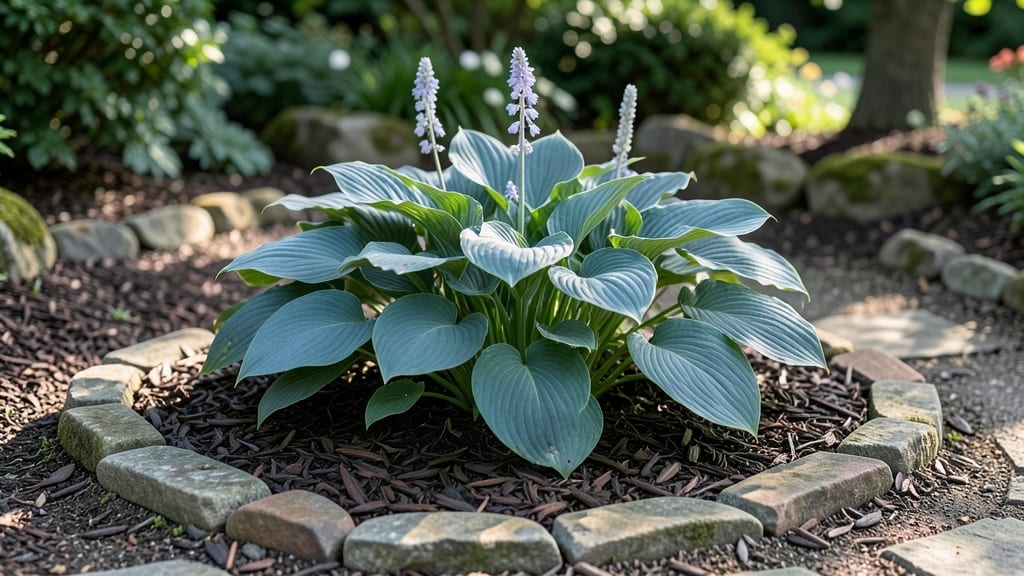
The right shade-loving plants turn dim corners into lush, thriving spaces. 🌿 I’ve designed shaded gardens that feel alive—not just functional—by choosing plants that love low light, from delicate ferns to bold hostas.
The secret isn’t fighting the shade; it’s working with it to create layers of texture and color that brighten even the darkest spots.
Start with a mix of foliage plants like heuchera (with its jewel-toned leaves) and astilbe (feathery plumes that dance in the breeze), then add flowers like bleeding heart or impatiens for bursts of color.
Shrubs like hydrangeas or boxwood anchor the design, while ground covers such as sweet woodruff or lamium fill gaps with softness. These plants don’t just survive in shade—they thrive, creating a garden that feels intentional and effortless.
Layering is key: taller plants toward the back, mid-height shrubs in the middle, and trailing or low-growing varieties in front. The result? A vibrant, multi-dimensional space that feels alive year-round, even when sunlight is scarce.
You’ll end up with a garden that’s as productive as it is beautiful—perfect for under trees, along north-facing walls, or in woodland-inspired settings.
Whether you’re working with containers, borders, or a full woodland garden, these plants adapt easily. The best part? Once established, they require minimal care, letting you enjoy the greenery without the upkeep. Ready to transform your shady spots into a lush retreat?
📚 In This Guide
- What you need
- Instructions
- Tips and common mistakes
- Wrapping up and next steps
What you need
- ● Shade-tolerant plants: 3–5 plants (e.g., Hostas, Ferns, Calatheas, Pothos, or Snake Plants). Choose based on your space (indoor vs. outdoor).
- ● Containers or garden bed: For potted plants: 4–6-inch pots (1–2 per plant) with drainage holes. Terracotta or ceramic works best.
- ● For garden beds: Loose, well-draining soil (6–8 cubic feet, depending on area).
- ● Potting mix: 1–2 bags of well-draining, organic mix (e.g., African violet mix or peat-based soil with perlite). Avoid heavy garden soil.
- ● Tools: Trowel or small shovel (for planting)
- ○ Gloves (optional but recommended)
- ● Watering can or spray bottle (with a fine mist setting for delicate plants)
- ● Mulch: 1–2 bags of organic mulch (e.g., shredded bark) to retain moisture in garden beds.
- ● Fertilizer: Slow-release balanced fertilizer (10-10-10 or 20-20-20) or compost tea for a natural boost.
- ● Grow lights: LED full-spectrum grow lights (for indoor setups with very low light).
- ● Decorative accents: Pebbles, moss, or self-watering trays for a polished look.
- ● Location scout: Identify your shadiest spot (indoors or outdoors) and note light levels (low, medium, or deep shade).
- ● Plant research: Double-check your chosen plants’ specific shade needs (e.g., Calatheas tolerate bright indirect light, while Hostas thrive in deep shade).
- ● Drainage check: Ensure containers or beds have proper drainage to prevent root rot.
How to design a thriving shade garden
Here's how I turn dark corners into lush, vibrant spaces using plants that actually love shade.
🌱 Step 1: Assess Your Shade Conditions
Not all shade is equal. First, determine whether your space gets partial shade (3-6 hours of filtered light) or full shade (less than 3 hours). I test this by placing a white plate where you plan to garden—if it stays mostly clean after a week, you likely have full shade. This matters because hostas and astilbes need partial shade, while ferns and heucheras thrive in full shade.
Next, check soil moisture by digging a small hole—if it stays damp for days, your plants will need excellent drainage. I always amend heavy clay with 3 inches of compost to improve aeration. The goal is to match plants to your specific light and moisture conditions, not just assume "shade" means one-size-fits-all.
🪴 Step 2: Select the Right Plant Palette
For partial shade, I choose three-layered combinations: tall astilbes (2-3 feet) as backdrops, mid-height heucheras (1-2 feet) for texture, and low-growing ajugas or lamiums as ground covers. These plants tolerate 3-6 hours of dappled light while still delivering vibrant foliage and flowers.
In full shade, I focus on foliage plants like Japanese painted ferns, caladiums, and tiarella. These thrive in less than 3 hours of light and bring dramatic color through their leaves. I avoid flowering plants here—they often struggle to bloom without adequate light. Instead, I rely on variegated leaves and deep purples to create visual impact.
☀️ Step 3: Prepare the Soil for Low-Light Success
Shade plants often struggle in compacted or nutrient-poor soil. I start by removing weeds and loosening the top 6 inches with a garden fork. Then, I mix in 3 inches of compost and 1 inch of perlite to improve drainage. This ensures roots can breathe and access moisture without sitting in soggy conditions.
For containers, I use a 50/50 blend of potting mix and peat moss—this keeps roots moist without compacting. I always water thoroughly after planting to settle the soil and eliminate air pockets. The key is to create a light, airy medium that mimics the loose, organic conditions shade plants prefer in nature.
💧 Step 4: Plant and Mulch for Moisture Retention
Dig holes twice as wide as the root ball but only as deep. This encourages roots to spread outward rather than settle too deeply. I place each plant at the same level it was growing in its container—burying the crown too deeply causes rot, while planting too high stresses the plant.
After planting, I apply 2-3 inches of mulch (shredded bark or pine needles) to retain moisture and suppress weeds. This is especially critical in shade gardens, where soil stays damp longer and weeds compete aggressively. I keep mulch 2 inches away from stems to prevent rot and water deeply once a week, adjusting for rainfall.
✂️ Step 5: Maintain Through Seasonal Checkpoints
In early spring, I trim back any dead or yellowed foliage to encourage fresh growth. For heucheras, I remove spent flower stalks to redirect energy into vibrant leaves. I also fertilize lightly with a balanced 10-10-10 formula in spring and again in midsummer—shade plants don’t need heavy feeding, but a little boost keeps them vigorous.
In fall, I add a thin layer of compost to replenish nutrients and protect roots from winter temperature swings. I avoid heavy pruning in late fall, as many shade plants (like hostas) store energy in their leaves for next year’s growth. The goal is to support natural cycles rather than force regrowth in cold conditions.
Tips & tricks for perfect shade garden design
Here's what nobody tells you about transforming dark spaces into thriving shade gardens.
Plant Placement Strategy: In Step 2, when selecting your shade palette, place taller plants like astilbes and heucheras toward the back of your garden bed to prevent them from shading shorter varieties. I arrange mine in descending height order—tallest at the back, mid-height in the middle, and ground covers like ajugas in the front. This creates a natural tiered effect while ensuring all plants receive adequate light for their specific needs.
Soil Amendment Secrets: The 3 inches of compost and 1 inch of perlite mentioned in Step 3 aren't just numbers—they're ratios that matter. For heavy clay soils, I actually increase the perlite to 2 inches to prevent compaction. In sandy soils, I reduce perlite to ½ inch and add 1 extra inch of compost. The goal is to create a soil structure that holds moisture but drains freely, which is especially critical in shade gardens where water doesn't evaporate quickly.
Mulching Mastery: When applying the 2-3 inches of mulch in Step 4, I always create a small well around each plant stem to direct water toward the roots. This prevents water from pooling against stems, which can cause rot. I also refresh mulch annually in spring, adding a thin layer of compost underneath to replenish nutrients without smothering plants. The key is maintaining that 2-inch clearance from stems while building up to the full 2-3 inches around the base.
Seasonal Maintenance Insight: That spring and midsummer 10-10-10 fertilization in Step 5 is your cue to observe plant response. If you notice new growth slowing after the first application, apply a second dose—but only if you see active growth. Over-fertilizing shade plants can actually stress them more than they need. I think this works because shade plants grow more slowly and don't need the same nutrient boost as sun-loving varieties.
Pro Tips for Shade Loving Plants
- Here's what nobody tells you about transforming dark spaces into thriving shade gardens.
- Plant Placement Strategy: In Step 2, when selecting your shade palette, place taller plants like astilbes and heucheras toward the back of your garden bed to prevent them from shading shorter varieties.
- Soil Amendment Secrets: The 3 inches of compost and 1 inch of perlite mentioned in Step 3 aren't just numbers—they're ratios that matter.
Frequently asked questions
Got questions about shade-loving plants?
You’re not alone! Here are answers to the most common queries to help you grow a lush, low-light garden with confidence.
What are the best shade-loving plants for beginners?
Start with easy-care options like snake plant (Sansevieria), ZZ plant (Zamioculcas zamiifolia), or peperomia. These thrive in low light, need minimal water, and forgive occasional neglect—perfect for new plant parents!
How long does it take for shade plants to grow?
Growth speed varies by plant, but most shade-lovers grow slower than sun-hungry varieties. Expect noticeable progress in 3–6 months for foliage plants (like ferns) and 6–12 months for flowering types (e.g., impatiens). Patience pays off!
Can I overwater shade-loving plants?
Absolutely!
Shade plants often have shallow roots and compact soil, which traps moisture. Let the top 1–2 inches of soil dry out between waterings. Yellow leaves or mushy stems? You’re likely overdoing it—drainage pots help!
What if my shade plant looks leggy or weak?
Leggy growth usually means your plant is stretching for light. Rotate it weekly to ensure even exposure, or move it closer to a bright (but indirect) window. Prune leggy stems to encourage bushier growth—just avoid cutting more than 1/3 of the plant at once.
Are there shade plants that also tolerate some sun?
Yes! Cast iron plant (Aspidistra), hostas, and heucheras handle 2–4 hours of morning sun but prefer shade. Test their tolerance gradually—start with partial shade and monitor for leaf scorch (brown edges = too much sun).
What’s the difference between “shade” and “partial shade”?
| Shade | Partial Shade |
|---|---|
| <3 hours of direct sun/day (e.g., north-facing windows, under trees). | 3–6 hours of morning/evening sun (e.g., east/west exposures). |
| Ideal for: ferns, calatheas, pothos. | Ideal for: hostas, impatiens, coleus. |
Pro tip: Use a light meter (or your hand as a guide—if you can’t read a book in the spot, it’s too dark!) to gauge conditions.
Wrapping up and next steps
Transforming your space with shade-loving plants is easier than you think! These hardy greens bring life and vibrancy to low-light areas, proving that even the shadiest corners can bloom with beauty.
Whether you’re a seasoned gardener or just starting out, these plants offer low-maintenance elegance and resilience—perfect for busy schedules or cozy indoor spots.
Ready to green up your space? Start by picking 2-3 plants from our list, then experiment with containers, soil mixes, and placement. Watch your space thrive—one leafy layer at a time! 🌿✨