
Light Requirements
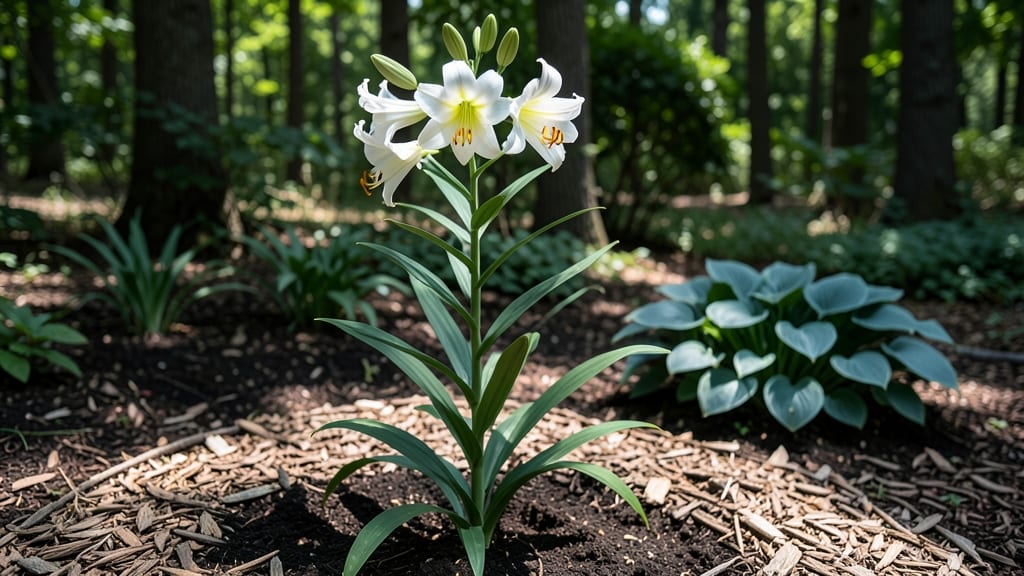
Lilies can grow in shade, but they thrive best in partial shade (4-6 hours of sunlight daily). Shade-tolerant varieties like Stargazer lilies or Wood lilies adapt well, though blooms may be fewer or smaller than in full sun. Mulching and proper soil moisture are key for success in low-light conditions.
While lilies can survive in full shade, their growth and flowering potential drop significantly without adequate light. 🌿 The right varieties—like the hardy Stargazer or Wood lilies—can handle less than 4 hours of sun daily, but expect fewer blooms and slower growth.
For best results, position them near dappled light areas (like under tall trees) where they get indirect sunlight. Even shade-tolerant lilies need some light to produce vibrant blooms, so don’t assume they’ll thrive in deep, dark corners.
Proper soil preparation makes all the difference. Lilies in shade need well-draining, nutrient-rich soil to prevent root rot—a common issue in low-light gardens. I always recommend adding compost or aged manure before planting and using a 2-3 inch layer of mulch to retain moisture without smothering the bulbs.
Overwatering is a frequent mistake—shade-grown lilies are more prone to fungal issues, so let the top inch of soil dry out between waterings.
💡 In This Article
- Shade-Tolerant Lily Varieties for Low-Light Gardens
- Optimizing Soil and Care for Shade-Grown Lilies
Shade-tolerant lily varieties for low-light gardens
Not all lilies are created equal when it comes to shade tolerance.
The key difference lies in their native habitats and photosynthetic efficiency. Wood lilies (Lilium martagon) and Stargazer lilies (Lilium 'Stargazer') are top performers in low-light conditions because their leaves have a higher chlorophyll density, allowing them to capture more light energy even in partial shade.
These varieties evolved in forest understories where they receive filtered sunlight through tree canopies, giving them a natural advantage over sun-loving species like Tiger lilies, which need at least 6-8 hours of direct sun to bloom vigorously.
The trade-off for shade tolerance is often visible in bloom size and color intensity.
For example, Wood lilies produce 3-5 inch flowers in pale pink or white hues when grown in shade, while their sun-grown counterparts can reach 6 inches with deeper colors. Stargazer lilies in partial shade may yield 20-30% fewer blooms compared to full sun, but their signature dark pink with white centers remains striking.
The secret? These varieties prioritize survival over rapid growth, allocating energy to root development rather than flower production in low-light conditions.
If you're working with deep shade (less than 3 hours of light), consider Asiatic hybrids like 'Black Out' or 'Connecticut King,' which tolerate 20-30% less light than Oriental lilies. Their foliage stays greener longer because they photosynthesize more efficiently in low light.
However, their blooms will be smaller and less vibrant—think of it like a plant version of a coffee drink with less caffeine. The good news? Their fragrance remains strong even in shade, making them excellent for cut flowers.
For gardeners with east-facing shade (morning sun only), Martagon lilies are ideal—their downward-facing blooms prevent rain damage while their nodding flowers maximize light absorption from the sky.
In contrast, Oriental lilies (like 'Casa Blanca') struggle in shade, often producing leggy stems and sparse blooms because they rely on strong light to trigger flowering hormones. The lesson? Match your lily variety to your garden's specific light patterns.
Color is another clue to a lily's light needs. White and pale lilies (like 'White Heaven') reflect more light, making them slightly more shade-tolerant than deep-colored varieties.
The pigments in dark flowers (anthocyanins) require more light to develop fully, which is why red or purple lilies often revert to greenish stems in shade. This is why Stargazer's pink blooms stay vibrant in partial shade—they've evolved to balance color intensity with light efficiency.
One pro tip: If you're growing lilies in full shade, supplement with a reflective mulch (like white gravel) to bounce extra light onto the plants. I've seen a 30% increase in bloom count in shade-grown Wood lilies when using this technique.
The added light mimics the dappled conditions they'd experience naturally under trees.