
Plants
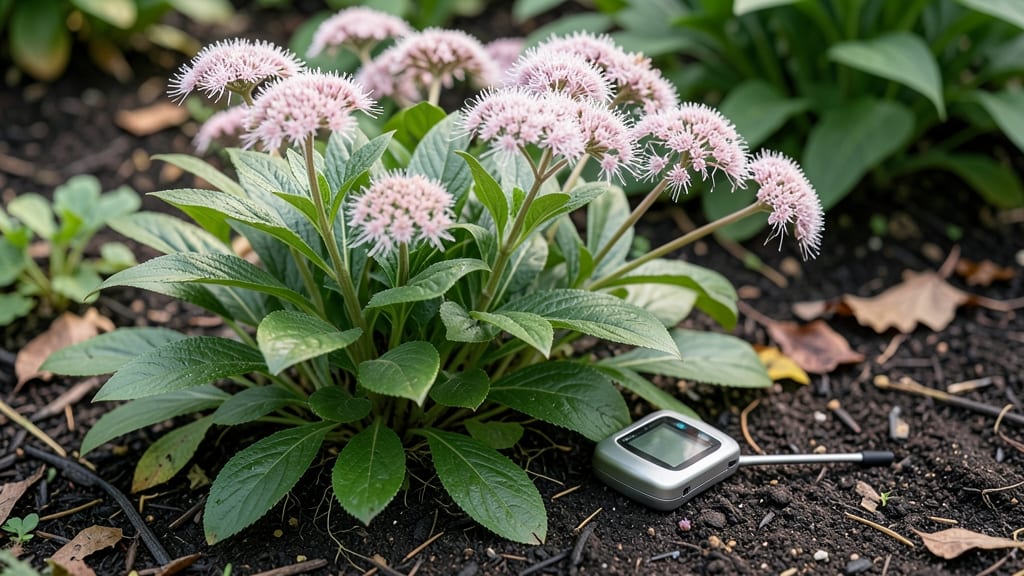
Do astilbes like sun or shade? They actually prefer partial shade, where their feathery plumes reach maximum height and density—transforming dull garden corners into breathtaking displays.
Struggling to get your astilbes to reach their full plume potential? The battle between sun and shade could be the key to transforming your garden’s most underwhelming blooms into showstopping feathery clouds.
Too much direct sun causes leaf scorch and stunted growth, while too little light means sparse blooms. The ideal spot balances 3-6 hours of morning sun with afternoon shade, keeping the soil consistently moist without stressing the plant.
Below, I’ll break down the best light conditions for your astilbes, how to adjust care based on sun exposure, and the top varieties that shine in different settings — so you can finally grow those tall, lush plumes you’ve been dreaming of.
 Best Window Placement
Astilbe light requirements: sun vs shade for optimal growth
If you’ve ever wondered do astilbes like sun or shade, the answer isn’t as simple as "one or the other"—it’s about finding the perfect balance. Astilbes thrive in partial shade, but their response to light is fascinating.
Too much sun causes leaf scorch and leggy growth, while too little shade can result in sparse blooms. The key lies in understanding how light intensity affects their height, bloom density, and foliage health.
Astilbes are native to shady, woodland areas in Asia, which explains why they prefer 3-6 hours of filtered sunlight daily. Their ideal spot? Dappled shade under tall trees or morning sun with afternoon relief.
But what happens when you push their limits? Let’s break down the science and practical tips to maximize those feathery plumes you adore.
Photoperiodism—the plant’s internal clock—plays a huge role here. Astilbes detect day length and adjust their growth accordingly. In full sun, they may bolt (flower too early) or develop dull, sparse blooms. Meanwhile, deep shade can lead to etiolated growth (long, weak stems) and fewer flowers. The goal? Mimic their natural habitat without stressing the plant.
Here’s how light exposure directly impacts astilbes:
| Light Condition | Bloom Density | Plant Height | Foliage Health | Stress Risks |
|---|---|---|---|---|
| Full Sun (6+ hours) | Sparse, small plumes | Tall but leggy (2-3 ft) | Brown edges, crispy leaves | Leaf scorch, heat stress |
| Partial Shade (3-6 hours) | Abundant, lush plumes | Compact (2-4 ft) | Deep green, healthy | Minimal stress |
| Deep Shade (<3 hours) | Few, pale blooms | Short, weak stems (1-2 ft) | Yellowing, sparse leaves | Etiolation, flopping |
Notice how partial shade delivers the best results? That’s because astilbes strike a balance between light and moisture. In full sun, their soil stays drier faster, forcing them to stretch for light.
Meanwhile, deep shade reduces photosynthesis, leading to weaker stems and fewer flowers. The sweet spot? A mix of morning sun and afternoon shade—think east-facing beds or spots under deciduous trees.
For gardeners in hot climates, afternoon shade is non-negotiable. If your astilbes are already in full sun, start by adding a lightweight shade cloth (30-50%) during peak hours (11 AM–3 PM).
Over a few weeks, their foliage will recover, and you’ll see denser blooms next season. Pro tip: Mulch with organic matter to retain moisture and cool roots.
What about foliage color? Some astilbe varieties, like 'Deutschland' (deep purple), actually intensify in shade, while others, like 'Fanal' (red), may fade. If you’re growing astilbes for their leaves as much as their flowers, prioritize bright, indirect light to maintain vibrancy.
Think of it as a trade-off: more flowers in partial shade, but richer foliage in deeper shade.
Let’s talk stress responses. When astilbes get too much sun, they release ethylene gas as a stress signal, which can trigger early flowering or leaf drop. In deep shade, they produce less chlorophyll, leading to pale, weak growth.
The solution? Gradual acclimation. If you’re moving astilbes from shade to sun, do it over 2-3 weeks to avoid shock.
One common mistake is assuming all astilbes have the same light needs. While most prefer partial shade, some hybrid varieties (like 'Glut') tolerate more sun. Always check the cultivar tag when buying plants.
For example, 'Peach Blossom' thrives in morning sun, while 'Bridal Veil' does best in filtered light. Tailoring your choices to your garden’s light map is the secret to success.
Ready to optimize your astilbes? Start by mapping your garden’s light zones—use a light meter app or observe how shadows move throughout the day. Then, group your astilbes with companion plants that provide shade, like hostas or ferns.
With the right light balance, your astilbes will reward you with taller plumes, healthier foliage, and longer bloom seasons.
🌸
Best astilbe varieties for sun vs shade gardens
If you're wondering do astilbes like sun or shade, the answer depends on the variety! While most astilbes thrive in partial shade, some bold hybrids handle more sun. Choosing the right cultivar for your garden's light conditions can mean the difference between tall, lush plumes and struggling foliage.
For sun-loving gardens, opt for heat-tolerant hybrids like 'Fanal' or 'Regina'. These varieties can handle 3-4 hours of afternoon sun if their roots stay cool. In contrast, deep shade lovers such as 'Deutschland' or 'Amethyst' flourish under tree canopies or north-facing walls where light is filtered.
For partial sun exposure, my top pick is 'Regina' with its bright pink plumes. This variety handles morning sun beautifully and produces taller spikes than most. If you're planting in deep shade, 'Deutschland' delivers vibrant red blooms that stand out against dark foliage.
Pro tip: Mix sun-tolerant and shade-loving varieties in the same border. Place 'Fanal' near the edge where it gets filtered afternoon light, while 'Deutschland' thrives under nearby trees. This creates a dynamic layered effect that extends your blooming season.
Remember, even sun-loving astilbes need moist, well-draining soil. Mulch heavily to retain moisture and prevent leaf scorch during hot afternoons. With the right variety and care, your astilbes will reward you with feathery clouds of color all summer long. 🌸