
Orchid Care
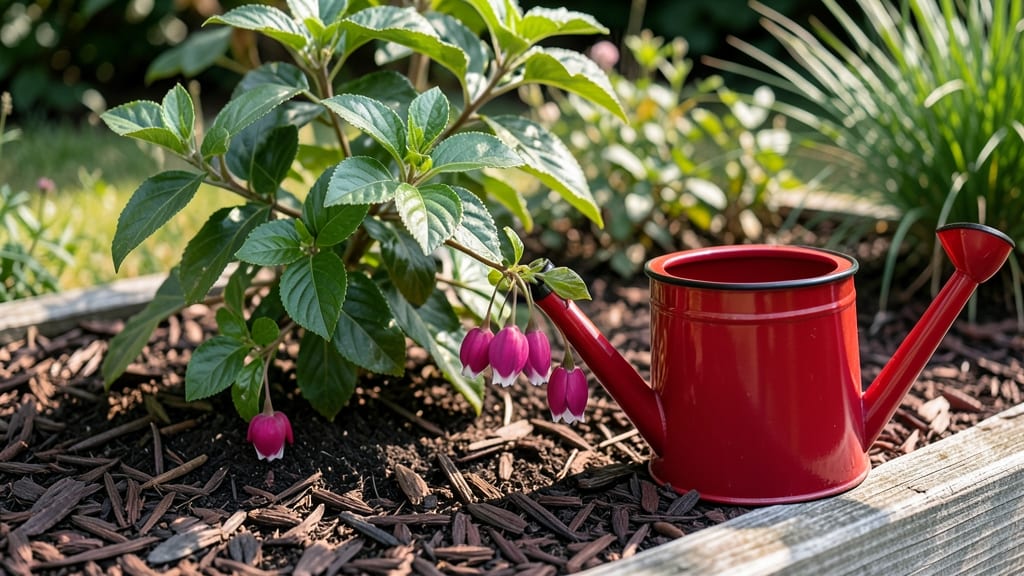
Fuchsias thrive best in sun or shade depending on the variety, and getting the light right can double your bloom time 🌸 — but many gardeners overlook how critical this balance is.
If you’ve ever watched your fuchsias produce sparse, short-lived flowers, the issue might be too much harsh afternoon sun or not enough light to fuel growth. The secret to lush, long-lasting blooms lies in matching your plant’s needs to its environment.
Some fuchsias bask happily in morning sun, while others retreat from even a few hours of direct afternoon rays. Below, I’ll break down the best light conditions for each type, how to spot signs of stress, and which varieties perform best in sun or shade.
You’ll also discover how to adjust watering, pruning, and fertilizing based on light exposure — small tweaks that make a huge difference in how long your fuchsias keep flowering.
 Best Window Placement
Sun vs shade requirements for fuchsias: how light affects growth and bloom time
Fuchsias are stunning flowering plants that thrive when their light requirements are met just right. While they prefer partial shade, too much direct sun or insufficient light can drastically reduce their bloom time and overall health.
Understanding the nuances between morning sun and afternoon shade is key to keeping your fuchsias vibrant and blooming for months.
The ideal light conditions for fuchsias typically involve 4-6 hours of morning sun followed by afternoon shade. This balance prevents leaf scorch while ensuring enough energy for abundant blooms. However, some varieties can tolerate more sun, while others prefer deeper shade—making light adaptation a critical skill for any fuchsia grower.
Fuchsias in full sun often develop leaf scorch or leggy growth as they stretch toward shade. Conversely, too little light can lead to sparse blooms and weak stems. The right light exposure also influences flowering intensity, with well-lit plants producing more vibrant blooms and longer bloom cycles.
| Light Condition | Daily Sun Exposure | Best For Varieties | Growth Impact | Bloom Time |
|---|---|---|---|---|
| Morning Sun (6 AM - 12 PM) | 3-4 hours | 'Giant Marble', 'Becky' | Compact, bushy growth | Long, continuous blooms |
| Partial Shade (Dappled Light) | 2-4 hours | 'Lady Boothby', 'Alice Hoffman' | Balanced growth, fewer pests | Moderate, steady blooms |
| Afternoon Shade (12 PM - 6 PM) | Full shade in afternoon | 'Triple Thrill', 'Bressingham Hybrid' | Slower growth, fewer blooms | Shorter bloom season |
| Full Shade (No Direct Sun) | 0 hours | 'Thalia', 'Victorian Lady' | Leggy, weak stems | Minimal blooms, sparse growth |
| Full Sun (All Day) | 6+ hours | None (avoid) | Leaf scorch, crispy edges | Stunted or no blooms |
For morning sun exposure, position your fuchsias to receive gentle sunlight before noon. This mimics their natural habitat in understory environments, where they avoid the harsh afternoon rays.
Varieties like 'Giant Marble' can handle up to 4 hours of morning sun, making them ideal for east-facing windows or garden spots.
If you notice yellowing leaves or crispy edges, your fuchsias are likely getting too much sun. Move them to a spot with filtered light or provide afternoon shade using a sheer curtain or lattice structure. This simple adjustment can prevent leaf scorch and keep your plants thriving.
On the other hand, shade-loving fuchsias like 'Lady Boothby' prefer dappled light or partial shade, especially in hot climates. These varieties often produce more delicate blooms but require consistent moisture to prevent stress. If your fuchsias appear leggy or spindly, they’re likely stretching for more light.
Seasonal changes also impact light needs. In summer, fuchsias may need more afternoon shade to prevent overheating, while winter’s weaker sunlight might require supplementing with a grow light. Observing your plants’ reactions to light—such as leaf color or growth pattern—will help you fine-tune their environment for optimal blooms.
Pro tip: Rotate your potted fuchsias every few weeks to ensure even light exposure. This prevents one side from becoming overly leggy while the other stays compact. A well-lit fuchsia will reward you with vibrant flowers and a bushier, healthier plant structure.
Remember, the goal is to balance light intensity and duration to maximize blooms. With the right light conditions, your fuchsias can flower from early summer well into fall, creating a stunning display that lasts.
Best practices for maximizing fuchsia blooms in different light conditions
Fuchsias are finicky about light—too much sun scorches their delicate leaves, while too little shade stretches their stems and reduces blooms. The key is matching your fuchsia variety to its ideal light conditions and adjusting care accordingly.
I’ve learned that morning sun with afternoon shade works best for most varieties, but some hybrids handle full sun if given extra TLC.
Your first step is identifying whether your fuchsias are getting sunburn (yellowing leaves) or leggy growth (long, sparse stems). These signs tell you whether to move plants to shade or provide more light. For example, 'Giant Marble' fuchsias tolerate more sun than 'Lady Boothby', which thrives in dappled shade.
- 🌞 For Sunny Spots: Prune 1/3 of growth in early spring to encourage bushier, sun-resistant stems. Use shade cloth (30-50%) during peak afternoon sun to prevent leaf scorch.
- 🌳 For Shady Areas: Pinch back tips of new growth to promote compact, flowering stems. Avoid overwatering—shady fuchsias stay moist longer and risk root rot.
- 💧 Watering Adjustments: Sunny fuchsias need daily watering in summer, while shady ones thrive on every 3-4 days. Always water at soil level to avoid wetting leaves (fungus risk).
- 🌱 Fertilizing Schedule: Feed sun-loving fuchsias every 2 weeks with high-phosphorus fertilizer (10-20-10) to boost blooms. Shady fuchsias do well with monthly balanced feed (10-10-10).
- ✂️ Pruning Tips: Deadhead spent blooms weekly to redirect energy to new flowers. In fall, cut back sun-exposed fuchsias by half to harden them for winter.
Seasonal light changes can trick fuchsias—what works in summer might fail in winter. For instance, a south-facing window that’s perfect in June can bake your fuchsias in July. I rotate my pots quarter-turn weekly to ensure even light exposure and prevent lopsided growth.
Watch for light-related stress: crispy leaf edges mean too much sun, while pale, sparse leaves signal insufficient light. If your fuchsias bloom sparingly, try moving them to a bright, indirect spot (like a sheer curtain over a west window) and increase humidity with a pebble tray.
Pro tip: Use a light meter (or phone app) to track light levels. Aim for 1,000-2,000 foot-candles for partial shade and 3,000-4,000 foot-candles for sun-tolerant varieties. Adjust care based on real data—not guesswork!
With these tweaks, your fuchsias will reward you with longer bloom seasons and healthier foliage. Remember, the goal isn’t perfection—it’s finding the sweet spot where your plants thrive in their unique light conditions. 🌸