
Tools
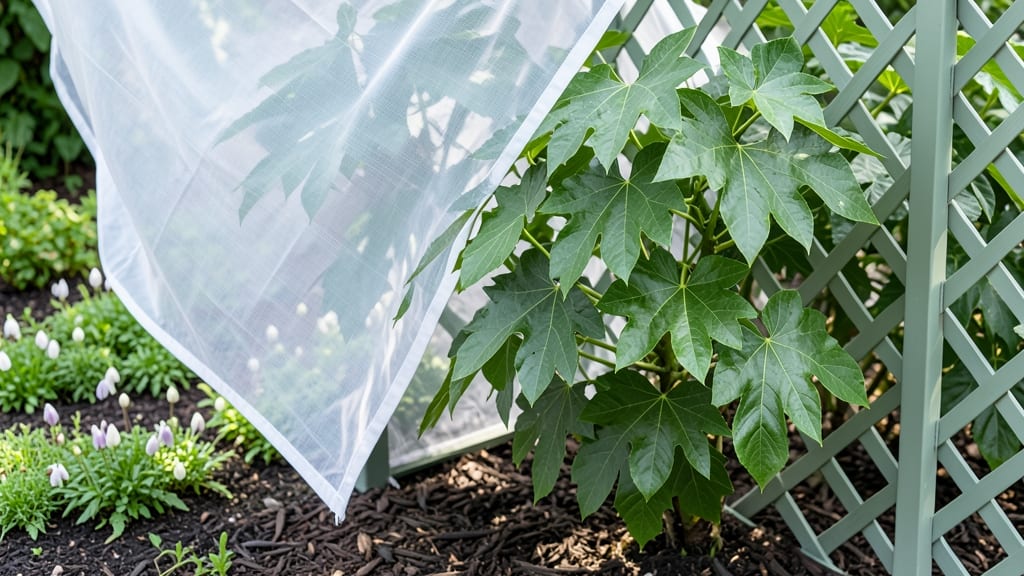
Creating shade in your garden isn't just about blocking sun—it's about crafting a cooler, more comfortable space that protects plants and extends outdoor living. 🌿 I learned this the hard way when my once-sunny patio became a sweltering oven by noon, forcing me to retreat indoors.
The right shade layers can cut temperatures by 10-15°F, preserve moisture in soil, and even reduce energy bills by keeping your home cooler.
Start with the biggest impact: trees and pergolas. Fast-growing species like silver maple or willow provide quick shade, while pergolas with climbing vines offer a mix of sun and shade.
For instant solutions, shade cloths (30-50% coverage) stretch over trellises or frames, and awnings attach to house walls or freestanding poles. My favorite combo? A 50% shade cloth over a pergola—it filters light beautifully while keeping the space usable.
Once you've blocked the sun, focus on plant selection. Hostas, ferns, and impatiens thrive in shade, while drought-tolerant succulents and ornamental grasses handle partial shade. Arrange taller plants on the north or west sides of your garden to cast natural shadows, and use mulch to keep roots cool.
The result? A lush, vibrant space that stays inviting even on the hottest days.
Pro tip: Layer your shade for flexibility. Combine a fixed structure (like a lattice) with adjustable options (like retractable awnings) so you can control sunlight throughout the year. And remember—shade isn't just for summer.
Evergreens and dense shrubs keep your garden cozy in winter too. Let's make your outdoor space work for you, no matter the season.
📚 In This Guide
- What you need
- Instructions
- Tips and common mistakes
- Wrapping up and next steps
What you need
- ● Shade plants: Fast-growing options like Thuja (Arborvitae), Bamboo, Hydrangeas, or Ferns (quantity depends on desired coverage—aim for 3–5 plants per 10 ft of space).
- ● Shade cloth or fabric: UV-resistant mesh (50–90% shade density, 10–20 ft wide rolls).
- ● Pergola or trellis kit: Wood, metal, or PVC (6–12 ft tall, 4–8 ft wide).
- ● Retractable awning: Heavy-duty fabric (10–15 ft long, adjustable arms).
- ● Lattice panels: 4 ft x 8 ft sheets (for vertical privacy + partial shade).
- ● Measuring tape (25 ft for accuracy).
- ● Post-hole digger or auger (for pergolas/trellises).
- ● Drill & screws (deck screws for wood, stainless for metal).
- ● Staple gun (for securing shade cloth to frames).
- ● Garden shears/pruners (for trimming plants).
- ● Level (to ensure even installation).
- ● Hose & nozzle (for watering new plants).
- ● Mulch (3–4 inches) to retain moisture for shade plants.
- ● Outdoor paint/stain (for wood pergolas).
- ● Solar-powered lights (to highlight shaded areas at night).
- ● Drip irrigation system (for low-maintenance watering).
- ● Decorative pots (to elevate plant aesthetics).
Step-by-Step guide to creating garden shade with strategic layers
Transform your sunny garden into a cool, private retreat using these simple, layered approaches.
☀️ Step 1: Start with Structural Elements for Permanent Shade
Begin with fixed structures that provide year-round shade. A 6-8 foot tall lattice fence (installed along property lines) instantly creates privacy while filtering sunlight. I like to position mine to block the midday sun—typically facing south or west—where rays are strongest. For larger areas, consider a freestanding shade sail (mounted on a sturdy frame) that can be angled seasonally to adjust coverage.
If you're working with trees, strategically plant fast-growing deciduous varieties like silver maple or river birch on the sunny side of your garden. These will provide full shade by midsummer while allowing winter sunlight to reach plants below. Just be mindful of their mature size—20-30 feet for most shade trees—so they don’t outgrow your space.
🌿 Step 2: Layer in Climbing Plants for Seasonal Coverage
Use climbing plants to fill gaps between structures and add texture. Clematis or honeysuckle on trellises will climb 10-15 feet in a season, creating a living shade curtain by late summer. I always plant these on the north or east sides of my garden where they won’t compete with sun-loving plants. For quicker results, opt for ivy—it spreads aggressively but provides dense coverage within 1-2 years once established.
Don’t forget ground covers like creeping fig or winter creeper, which smother bare soil and reduce sunlight penetration. These work best under taller shade structures, where they’ll fill in the lower layers. Water them deeply once a week during dry spells to encourage vigorous growth—you’ll notice new vines spreading every 2-3 weeks in ideal conditions.
🪴 Step 3: Add Temporary or Movable Shade Solutions
For flexible shade, use retractable awnings or freestanding shade umbrellas (with 50-70% shade fabric) to cover specific areas like seating or dining spots. I keep a 10-foot umbrella over my patio, adjusting it throughout the day to follow the sun’s path. These are perfect for renters or anyone who wants to change shade patterns seasonally—simply roll them up when not in use.
For a softer look, try bamboo screens or wicker panels mounted on posts. These diffuse light beautifully while adding a tropical vibe. Position them 3-4 feet from the ground to create a windbreak effect that also cools the air slightly. If you notice hot spots where light still penetrates, add a second layer of sheer fabric for extra filtration.
⏰ Step 4: Maintain and Adjust Shade Over Time
Check your shade structures every 3-4 weeks during the growing season to ensure they’re still effective. Trim overgrown vines or branches that block airflow—aim to keep 6-12 inches of space between foliage and structures to prevent mold. I also adjust shade sails seasonally: in summer, angle them steeper to block more light, while in spring/fall, I lower them to let in warmth.
Monitor plant health under your new shade. If you notice yellowing leaves on plants that once thrived in sun, they may need more indirect light—try thinning out dense climbers slightly. Conversely, if shade-loving plants like ferns or hostas look leggy, they might need a bit more filtered light. The key is balance: your garden should feel cooler but not dimly lit like a forest floor.
Tips & tricks for perfect garden shade layers
Here's what nobody tells you about creating the perfect shade—these tricks will save you time and frustration while making your garden feel like a cool oasis.
Sun Direction Strategy: When positioning your 6-8 foot lattice fence or shade sail, remember that south and west-facing areas get the most intense sunlight. I always place my structures to block these angles first—this is where the afternoon sun can turn your patio into a sauna. For shade sails, consider using a sun path calculator to determine the optimal angle for your location.
Plant Placement Precision: In Step 2, when planting your clematis or honeysuckle, place them on the north or east sides of your garden. This prevents competition with sun-loving plants while still allowing them to climb 10-15 feet in a season. For quicker coverage, ivy is your best friend—it spreads aggressively and can provide dense shade within 1-2 years once established. Just be prepared for some maintenance!
Seasonal Shade Adjustments: Your retractable awnings or shade umbrellas should become your best friends during seasonal transitions. In summer, angle them steeper to block more light, while in spring and fall, lower them to let in warmth. I keep a 10-foot umbrella over my patio and adjust it every 2-3 weeks to follow the sun's changing path—this simple habit makes all the difference in comfort.
Maintenance Made Easy: Checking your shade structures every 3-4 weeks might sound like a lot, but it prevents bigger problems later. Trim overgrown vines to keep 6-12 inches of space between foliage and structures—this airflow prevents mold and keeps everything healthy. I set a reminder on my phone for this task, and it takes me about 15 minutes to do a quick check of all my plants.
Pro Tips for Create Shade In Garden
- Here's what nobody tells you about creating the perfect shade—these tricks will save you time and frustration while making your garden feel like a cool oasis.
- Sun Direction Strategy: When positioning your 6-8 foot lattice fence or shade sail, remember that south and west-facing areas get the most intense sunlight.
- Plant Placement Precision: In Step 2, when planting your clematis or honeysuckle, place them on the north or east sides of your garden.
Frequently asked questions
Got questions about creating shade in your garden? You’re not alone! Here are some of the most common concerns—and their solutions—to help you craft the perfect shaded retreat.
What’s the best type of shade for year-round privacy?
For full privacy, combine fast-growing evergreens (like arborvitae or leyland cypress) with dense shrubs (e.g., holly or boxwood). For partial shade, try deciduous trees (oak or maple) that filter sunlight while still allowing airflow. Mixing layers—tall trees + mid-height shrubs + ground cover—creates a natural, multi-season barrier.
How long does it take for shade plants to grow enough to block sunlight?
Fast-growing trees (e.g., willow or silver maple) can provide noticeable shade in 2–3 years, while slower varieties (like oak) take 5–10 years for full coverage. Shrubs and vines (e.g., ivy or climbing roses) may offer shade within 1–2 years. Plan ahead—layering small and large plants speeds up results!
Are there budget-friendly ways to create shade without planting trees?
Try these cost-effective options:
- Retractable shade sails ($50–$200): Adjustable and removable for flexibility.
- Bamboo or reed screens ($30–$100): Lightweight and wind-resistant.
- DIY lattice panels ($20–$50): Paint or stain for a custom look.
- Fast-growing vines on trellises (e.g., wisteria or jasmine): Free after initial setup.
For permanent shade, consider perennial shrubs (like privet) or native plants, which require less maintenance.
Will shade affect my garden’s plants or lawn?
Shade can benefit some plants (e.g., ferns, hostas, or shade-loving veggies like lettuce) but may stress lawns or sun-dependent flowers (e.g., roses, lavender). To balance:
- Test soil moisture—shade reduces evaporation, so avoid waterlogging.
- Choose shade-tolerant grasses (like fine fescue) if keeping a lawn.
- Mulch heavily to protect roots from temperature swings.
Monitor for pests (like slugs) that thrive in damp, shaded areas.
What if my shade structure blocks too much light for my garden?
Start with partial shade solutions, like:
- Dappled light trees (e.g., Japanese maple or dogwood).
- Adjustable shade cloth (30–50% coverage) for customizable sunlight.
- Prune trees/shrubs seasonally to thin out dense foliage.
For critical sunlight (e.g., for veggie gardens), place shade structures on the west or north side to avoid midday sun interference.
Wrapping up and next steps
Creating shade in your garden isn’t just about comfort—it’s about transforming your outdoor space into a cozy, private retreat that works year-round. Whether you’re layering plants, installing structures, or blending natural and artificial solutions, the key is strategic planning.
Start small, experiment with textures, and watch your garden evolve into a serene escape.
Ready to take the next step? Sketch a simple layout of your garden’s sun exposure and prioritize one shade solution to test first—like a fast-growing trellis or a shade sail. Your future self (and your plants!) will thank you. 🌿✨