
Planting
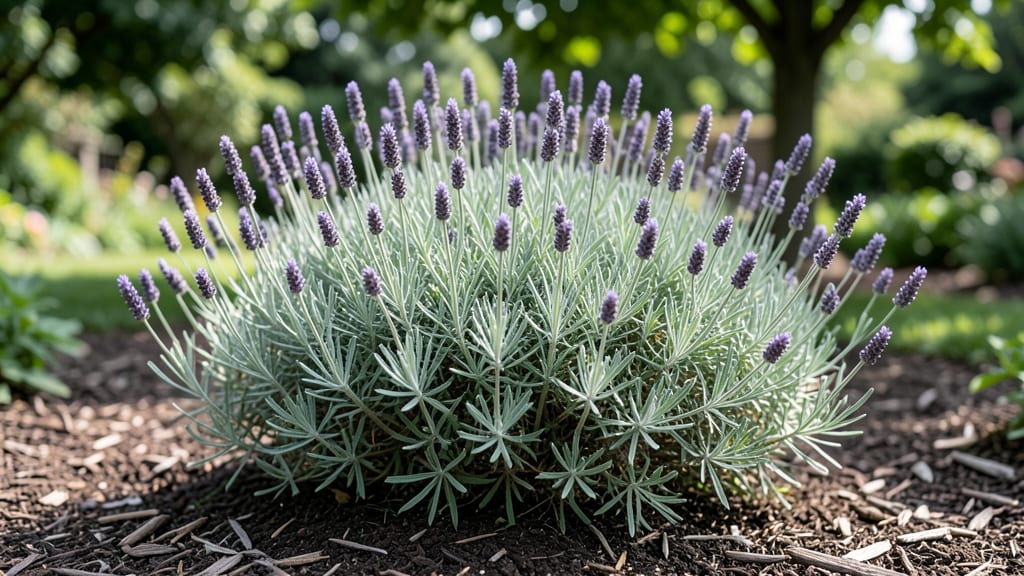
Growing lavender in shade feels like a dare—but I’ve done it, and these fragrant plants still thrive. ✨ The trick lies in choosing the right varieties, adjusting care, and working with the light you have, not the sun you wish you had.
My shade-loving lavender blooms later but stays lush and aromatic, proving this isn’t a lost cause.
Start with varieties bred for lower light, like ‘Munstead’ or ‘Hidcote’, which tolerate partial shade better than traditional types. Amend your soil with compost to improve drainage—lavender hates soggy roots—and water sparingly, letting the soil dry completely between drinks.
Containers work wonders here, giving you control over moisture and sunlight exposure.
You’ll notice smaller blooms but a longer fragrance season, thanks to the plant’s focus on scent over showy flowers. Prune lightly after flowering to maintain shape, and mulch with gravel to keep roots cool and dry.
The result? A fragrant corner that smells like summer even when the sun stays away.
For extra help, pair lavender with shade-tolerant companions like heuchera or ferns—their contrasting textures create a lush, low-maintenance garden. Just avoid heavy feeders that’ll compete for nutrients. With these adjustments, your lavender will reward you with calm, purple-hued beauty year after year.
📚 In This Guide
- What you need
- Instructions
- Tips and common mistakes
- Wrapping up and next steps
What you need
- ● Lavender plants: 1–3 English lavender (Lavandula angustifolia) or French lavender (L. dentata) (more shade-tolerant varieties). Start with nursery-grown plants or seeds (if starting from scratch).
- ● Size: 6–12" pots or bare-root plants for transplanting.
- ● Well-draining soil: 5–10 gallons of gritty, sandy potting mix (avoid heavy clay). Mix in perlite or coarse sand (1 part perlite to 3 parts soil) for aeration.
- ○ Optional: Add compost (10%) for nutrients without compacting the soil.
- ● Containers (if not planting in-ground): 1–3 terracotta or fabric pots (12–16" diameter) with drainage holes. Why? Terracotta wicks away moisture, preventing root rot.
- ● Drainage solutions: Crushed gravel or pebbles (1–2" layer at the bottom of pots/containers).
- ○ Drainage mat (optional, for in-ground planting in soggy areas).
- ● Garden trowel or small shovel (for transplanting or digging holes).
- ● Pruning shears (sharp, sterilized—disinfect with rubbing alcohol between cuts!).
- ● Watering can or hose with a gentle spray nozzle (lavender hates soggy roots!).
- ○ pH testing kit (optional but helpful—lavender thrives in neutral to slightly alkaline soil (6.5–7.5 pH)).
- ● Mulch (lightly!): Gravel or coarse bark (1–2" layer around plants). Skip organic mulch—it retains too much moisture.
- ● Location: Choose a spot with partial shade (2–4 hours of morning sun) or dappled shade (e.g., under tall trees with filtered light). Avoid deep shade—lavender needs some light to bloom!
- ● Climate: Lavender prefers USDA Zones 5–9. If you’re in a colder zone, use hardy varieties like Lavandula angustifolia ‘Hidcote’.
- ● Water access: Ensure your shade spot isn’t prone to waterlogging (e.g., near downspouts or low-lying areas).
Step-by-Step instructions for growing lavender in shade
Here’s how I’ve grown fragrant lavender in shadier spots—just follow these steps.
🌱 Step 1: Choose the Right Lavender Variety for Low Light
Not all lavender thrives in shade, so pick a shade-tolerant variety like English lavender (Lavandula angustifolia) or Spanish lavender (Lavandula stoechas)—they handle partial shade better than French or Grosso types. I always check the label before buying; some nurseries even sell "shade-tolerant" lavender mixes.
Look for young plants with sturdy stems and healthy green foliage, not leggy or yellowing ones. The stronger the starting plant, the better it adapts to lower light. If you’re growing from seed, know it’ll take 2-3 years to bloom—so transplants are your best bet for quicker results.
☀️ Step 2: Pick the Best Shady Spot
Lavender needs at least 3-4 hours of direct sunlight daily, but it can survive with morning sun and afternoon shade—just avoid deep, dark corners. I place mine near a north-facing window or under a high tree canopy where dappled light filters through.
Well-draining soil is non-negotiable. If your yard has heavy clay, mix in sand or grit to improve drainage. A slight slope helps water run off instead of pooling around roots. Test your spot: if water sits for more than an hour after rain, amend the soil first.
🪴 Step 3: Plant with Proper Spacing and Soil Prep
Dig a hole twice as wide as the root ball but only as deep. Lavender roots spread wide but stay shallow, so avoid burying the crown—it rots easily. Gently loosen the roots if they’re circling, then place the plant in the hole and backfill with a mix of native soil and coarse sand (50/50 ratio).
Space plants 18-24 inches apart—crowding leads to weak stems and poor airflow, inviting fungal issues. Water deeply right after planting to settle the soil, then let it dry out completely before watering again. Overwatering is the #1 killer of shade-grown lavender.
💧 Step 4: Water and Feed for Shade Adaptation
Shade-grown lavender needs less water than sun-lovers, but consistency is key. Water once a week (or when the top 2 inches of soil feel dry), but always soak deeply—shallow watering encourages weak roots. I use a drip irrigation system set to 10-15 minutes per session to avoid wetting leaves.
Fertilize lightly in spring with a low-nitrogen, balanced fertilizer (like 5-5-5). Too much nitrogen makes lavender leafy but flowerless. I skip fertilizer in fall—lavender stores energy in its roots, and extra food just encourages late-season growth that won’t harden off for winter.
✂️ Step 5: Prune and Maintain for Healthy Growth
Prune right after flowering (late summer) to shape the plant and encourage bushiness. Cut back one-third of the previous year’s growth with clean shears, but never cut into old wood—lavender doesn’t regrow from bare stems. I wear gloves; lavender stems are prickly!
Watch for aphids or spider mites—shade-grown lavender is more prone to pests. Blast off pests with a strong spray of water or use neem oil if needed. Mulch lightly with gravel or bark chips (not organic mulch) to keep roots cool and deter weeds. Avoid piling mulch against the stem—it traps moisture and causes rot.
Tips & tricks for perfect lavender in shade
Common pitfalls—and how to sidestep every one when growing fragrant lavender in lower-light spots.
Variety Matters: If you're tempted to grab just any lavender plant, resist! The shade-tolerant varieties like English or Spanish lavender mentioned in Step 1 are your best bet. I've learned this the hard way—French lavender in shade will turn into a sad, leggy mess. Look for plants labeled "shade-tolerant" at nurseries, and avoid anything called "Grosso" or "French" unless you're okay with compromised blooms.
Soil Test Before Planting: That soil drainage test in Step 2 isn't just a suggestion—it's critical. I once planted lavender in what I thought was well-draining soil, only to watch it rot within weeks. Dig a hole, fill it with water, and if it doesn't drain within an hour, amend with sand or grit. For heavy clay soil, aim for a 50/50 mix of native soil and coarse sand as mentioned in Step 3. This isn't optional—it's the difference between thriving plants and root rot.
Watering Wisdom: The once-a-week watering guideline in Step 4 is perfect, but here's what nobody tells you: check the soil first! Stick your finger 2 inches down—if it's dry, water deeply. If it's still moist, wait another day. I use a moisture meter now, but even a simple finger test works. The key is avoiding both soggy soil and bone-dry conditions, especially in shade where lavender's natural drought tolerance gets compromised.
Pruning Precision: When you prune that one-third of last year's growth in Step 5, focus on the oldest stems first. These are the woody ones that won't regrow. I always make clean cuts with sharp shears and avoid cutting into bare wood—this is how you keep your lavender bushy and flowering for years. And yes, wear gloves; those stems are seriously prickly when you're trying to shape them!
Pro Tips for Lavender Plant In Shade
- Common pitfalls—and how to sidestep every one when growing fragrant lavender in lower-light spots.
- Variety Matters: If you're tempted to grab just any lavender plant, resist!
- Soil Test Before Planting: That soil drainage test in Step 2 isn't just a suggestion—it's critical.
Frequently asked questions
Got questions about growing lavender in shade?
You’re not alone! Here are answers to the most common concerns—so you can enjoy fragrant blooms even with limited sunlight.
Can lavender survive in full shade?
While lavender thrives in partial shade (4–6 hours of sunlight), it struggles in full shade. Expect slower growth, fewer blooms, and weaker stems. If you have no choice but full shade, opt for dwarf varieties like 'Munstead' or 'Hidcote' and ensure excellent drainage.
How do I know if my lavender is getting enough light?
Watch for these signs: leggy stems, sparse foliage, or pale leaves mean it’s light-deprived. If your lavender is in shade, rotate pots seasonally to maximize indirect light. A south-facing window or a grow light (12+ hours/day) can help indoor plants.
Will lavender in shade need more water?
Yes! Shade slows evaporation, so soil stays damp longer—overwatering is the #1 killer. Let the top inch of soil dry out completely between waterings. Use a pot with drainage holes and a well-draining mix (like cactus soil + perlite) to prevent root rot.
What’s the best shade alternative if lavender won’t grow?
Try these fragrant, shade-tolerant plants instead:
- Sweet woodruff – Delicate white flowers, spreads easily.
- Lemon balm – Citrusy scent, thrives in low light.
- Heuchera (Coral Bells) – Stunning foliage, minimal care.
- English ivy – Hardy and shade-loving (great for containers).
Why is my shaded lavender turning yellow?
Yellow leaves often signal overwatering or nutrient deficiency. Check drainage first—if the soil stays soggy, repot with fresh mix. For nutrients, use a balanced fertilizer (like 10-10-10) once in spring. If leaves are only yellowing at the base, it’s likely natural aging (prune to encourage new growth).
Wrapping up and next steps
Growing lavender in shade is totally doable—you just need the right approach! 🌿 With well-draining soil, partial shade, and a little patience, you can enjoy fragrant blooms even without full sun. Remember: prioritize airflow, avoid overwatering, and choose shade-tolerant varieties like Lavandula angustifolia 'Hidcote' for the best results.
Ready to transform your shady spot into a lavender paradise? Start small: plant a single pot or a few cuttings, observe how they thrive, and expand from there. Happy gardening—your fragrant retreat is just a few steps away! 🌸