
Light Requirements
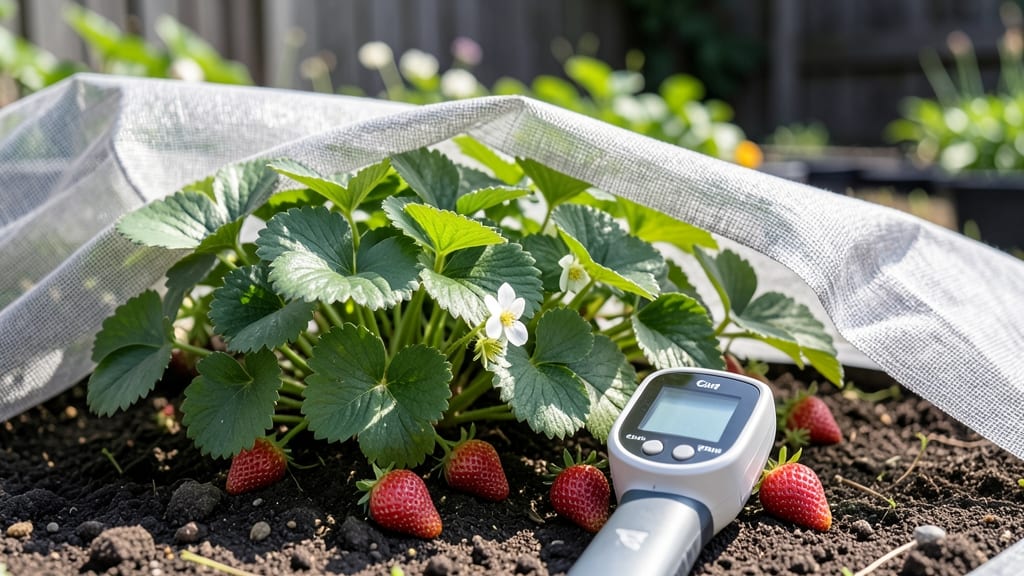
Strawberries thrive in full sun or shade depending on your variety and climate — but getting the balance right is the secret to bigger, sweeter berries 🍓.
Struggling to grow sweet, juicy strawberries? The battle between full sun and shade might be the key to your harvest success—or failure. Too much shade and your plants stretch weakly, producing small, bland fruit.
Too much sun in hot climates, and they burn or fail to set berries at all. The trick is finding the sweet spot for your specific growing conditions.
Most strawberries love 6 to 8 hours of sunlight daily, but some varieties—like 'Albion' or 'Seascape'—handle partial shade better, especially in hotter regions like USDA Zone 6a. Below, I’ll break down how to match your plants to the light they crave, plus smart ways to adjust shade if your garden isn’t cooperating.
You’ll learn which varieties perform best in low-light spots, how to spot light stress in your plants, and even a few tricks—like reflective mulch or strategic pruning—to trick strawberries into thinking they’ve got all the sun they need.

Full sun vs shade for strawberries: how light affects growth and flavor
If you've ever planted strawberries expecting a bountiful harvest only to be disappointed with small, tart berries, light exposure might be the culprit. Strawberries are famously finicky about sunlight, and understanding their needs can mean the difference between juicy, sweet berries and disappointing yields.
Most gardeners assume strawberries need full sun, but the truth is more nuanced—some varieties actually thrive in partial shade, especially in hot climates. Let's break down how light impacts your strawberry plants at every stage.
The ideal sunlight range for strawberries is 6 to 10 hours of direct sun daily, but this varies by variety and climate.
In cooler regions, strawberries can tolerate partial shade (3-6 hours of sun), while hot, southern climates may require afternoon shade to prevent sunburn on delicate leaves and fruit. The key is balancing light exposure to maximize berry size, sweetness, and yield without stressing the plant.
Let's compare how full sun and shade affect your strawberries.
Full sun (6+ hours daily) is the gold standard for strawberries because it fuels photosynthesis, leading to larger berries with more intense flavors. In my garden, June-bearing varieties like 'Chandler' produce 30-50% more fruit when given full sun compared to partial shade.
However, the trade-off is higher water needs and potential sun scorch in hot afternoons. If you live in a region with 90°F+ temperatures, afternoon shade (e.g., dappled light from trees) can actually improve berry quality by reducing stress.
Partial shade (3-6 hours of sun) is a lifesaver in hot climates or shaded gardens. While yields may drop by 20-40%, shade-tolerant varieties like 'Ozark Beauty' still produce delicious, if smaller, berries.
The key is positioning: place strawberries where they get morning sun (for energy) and afternoon shade (to prevent overheating). I once grew 'Seascape' under a partial shade cloth in Arizona and still harvested 1.5 lbs per plant—not bad for a shaded spot!
Light exposure also affects berry sweetness. Sun
Best strawberry varieties for shade and low-light gardens
Not all hope is lost if your garden only gets partial shade! While strawberries typically crave full sun, some varieties thrive in low-light conditions with the right care.
These shade-tolerant strawberries produce sweet berries even in dappled sunlight or under trees. Let’s explore the top performers for shade gardens and how to coax the best flavor from them.
When selecting strawberries for shady spots, focus on varieties bred for partial shade tolerance. These plants sacrifice some yield but deliver delicious, juicy berries with proper growing techniques. Below, I’ve rated the best options based on light adaptability, flavor quality, and productivity in low-light settings.
Albion tops the list as the most shade-tolerant variety, thriving with just 3-4 hours of sunlight daily. Its large, sweet berries are perfect for containers or garden beds under trees. To maximize production, place it near a south-facing wall or reflective surface to boost light exposure.
For woodland gardens, Ozark Beauty is a fantastic choice. This heirloom variety handles filtered light beautifully and produces firm, aromatic berries with a hint of pine. Mulch heavily with compost or straw to retain moisture and protect roots from temperature swings in shady areas.
Seascape, though not as shade-hardy, still performs well in partial shade if given 4-6 hours of sun. Its everbearing habit means two harvests per year, even in low-light spots. Pair it with companion plants like lettuce or spinach to optimize space and light competition.
To help your shade-loving strawberries thrive, prune aggressively to remove crowded foliage and improve airflow. Avoid over-fertilizing with nitrogen, as it encourages leafy growth at the expense of fruit production. Instead, use a balanced 10-10-10 fertilizer sparingly during the growing season.
With the right variety and a few light-boosting tricks, your shade garden can yield homegrown strawberries just as sweet as those in full sun. Experiment with these varieties and watch your berry harvests flourish—even in the shadows!