
Orchid Care
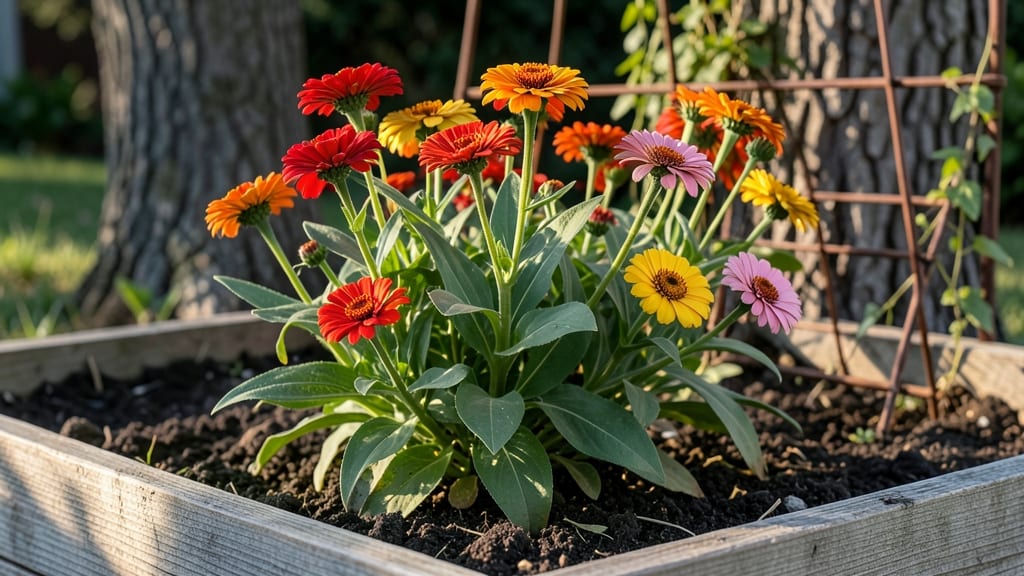
Zinnias thrive in full sun but can bloom beautifully in partial shade with the right varieties and care 🌼 — the key is choosing shade-tolerant types and optimizing their growing conditions.
Struggling to grow zinnias in your partially shady garden? The right varieties can transform your space into a riot of color—even with limited sunlight.
Most zinnias need at least 6 hours of sun to reach their full potential, but some varieties handle 3-4 hours of shade better than others. For example, 'Benary’s Giant' and 'Crystal' zinnias produce stunning blooms in partial shade, making them ideal for borders or containers near trees or buildings.
In this guide, you’ll discover the best shade-tolerant zinnias, how to position them for maximum blooms, and troubleshooting tips to keep them healthy—no matter how much shade your garden gets.
 Best Window Placement
Best zinnia varieties for partial shade gardens
Zinnias typically crave full sun, but with the right shade-tolerant varieties, you can still enjoy stunning blooms in partially shady spots. These low-light zinnias thrive with 3-6 hours of sunlight daily, making them perfect for woodland gardens or container plantings under trees.
Their vibrant colors and long-lasting blooms will brighten even the dimmest corners of your yard.
Partial shade gardens often struggle with leggy growth or fewer blooms in zinnias, but these varieties adapt beautifully. They produce compact, bushy plants with abundant flowers, even when sunlight is limited. The key is choosing dwarf or semi-dwarf types that won’t stretch too tall in search of light.
⚠️ CRITICAL NOTE: While these zinnias tolerate shade, they’ll always perform best with at least 3 hours of direct sunlight. East-facing spots or dappled shade from deciduous trees work best. Avoid deep, dense shade where zinnias may fail to bloom entirely.
'Profusion Series' zinnias are my top recommendation for partial shade. These compact, disease-resistant varieties produce hundreds of blooms per plant and handle 3-4 hours of sunlight beautifully. Their mixed colors create a cheerful, cottage-garden look even in shady borders.
For white and pastel shades, 'Crystal' zinnias shine in partial shade. Their delicate lavender and white blooms add elegance to woodland gardens or shady patios. These semi-dwarf varieties stay 1-2 feet tall, making them ideal for container gardens under trees.
If you love bold, fiery colors, 'Thumbelina' zinnias deliver in partial shade. These dwarf varieties reach only 6-12 inches tall and produce bright orange, red, and yellow blooms. They’re perfect for front-of-border plantings or hanging baskets in lightly shaded spots.
For tall, dramatic blooms, 'Benary’s Giant' zinnias work well in partial shade. These classic zinnias grow 2-4 feet tall and produce large, showy flowers in red, pink, and yellow. Place them near a north-facing wall or under high-canopy trees for best results.
All these shade-tolerant zinnias benefit from well-draining soil and regular deadheading. Pinch back leggy stems to encourage bushier growth, and fertilize lightly with a balanced 10-10-10 formula every 4-6 weeks during the growing season.
Pro tip: Mulch around your shade zinnias to keep roots cool and retain moisture. A 2-inch layer of organic mulch (like shredded bark) also helps suppress weeds, reducing competition for nutrients in low-light conditions.
With these shade-friendly zinnias, you can enjoy vibrant blooms all season—even in spots where other flowers struggle. Experiment with different varieties to find your perfect shade match!
How to optimize zinnia growth in low-light conditions
Zinnias are sun-lovers by nature, but with the right adjustments, you can coax vibrant blooms even in partial shade. The key lies in understanding their light needs and adapting your care routine.
While they prefer 6+ hours of sun, shade-tolerant varieties and smart gardening techniques can make all the difference. Let’s explore how to maximize their potential in low-light settings.
First, focus on soil quality and watering consistency. Zinnias in shade need well-draining, nutrient-rich soil to compensate for reduced photosynthesis. Amend your garden beds with compost or aged manure before planting to give them a nutrient boost.
This helps roots access the energy they need to produce blooms, even with less sunlight.
Here’s how to optimize their growth in low-light conditions with actionable steps:
- 1 Choose shade-tolerant varieties: Opt for 'Crystal' or 'Profusion' zinnias, which handle 3-4 hours of shade better than traditional types. These varieties bloom prolifically even in dappled sunlight.
- 2 Adjust watering frequency: Water every 2-3 days in shade, as soil dries slower. Use morning watering to prevent fungal issues. Avoid soggy soil, which can rot roots in low-light conditions.
- 3 Use reflective surfaces: Place zinnias near light-colored walls or mirrors to bounce extra light onto leaves. This mimics full sun exposure and boosts photosynthesis by up to 20%.
- 4 Add mulch for moisture: Apply 2-3 inches of mulch (straw or pine bark) to retain soil moisture and regulate temperature. This reduces stress on roots in shady, cooler microclimates.
- 5 Fertilize lightly but often: Use a balanced 5-10-10 fertilizer every 4-6 weeks to compensate for lower light. Avoid high-nitrogen feeds, which promote leafy growth over blooms.
Seasonal adjustments are critical for shade zinnias. In spring and fall, when light is softer, prioritize container gardening near windows or move pots to sunnier spots temporarily. During summer’s intense heat, provide afternoon shade with a lightweight shade cloth (30-50% coverage) to prevent leaf scorch.
Companion planting also enhances growth. Pair zinnias with tall sunflowers or cosmos to create a windbreak and improve air circulation. Avoid planting near competitive ground covers like mint, which steal nutrients. Instead, use marigolds or nasturtiums to deter pests naturally.
With these strategies, your shade zinnias will reward you with longer stems and brighter blooms, proving that even partial shade can be a zinnia’s happy place. 🌼