
Light Requirements
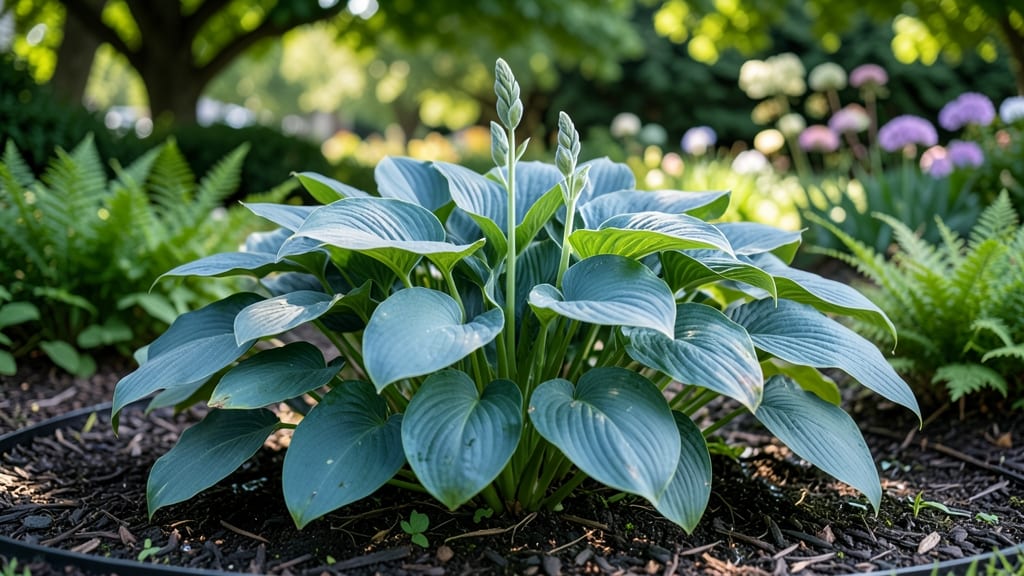
Full shade plants in Zone 9 don’t mean giving up on lush greenery—it’s about choosing the right players for the stage. 🌿 I’ve spent years testing plants that thrive under the canopy of oaks and palms, and these shade-lovers prove that vibrant gardens aren’t just for sunny spots.
The key is matching moisture-loving roots with soil that drains just enough to keep them happy without drowning. Native ferns like sensitive fern and button fern spread like living carpets, while caladiums burst with heart-shaped leaves in jewel tones.
Non-native stars include hostas (with their dramatic foliage) and heucheras that stay compact yet bold. Even flowering plants like impatiens and begonias deliver nonstop color—just keep them consistently moist but never soggy. What you’ll end up with is a garden that feels alive year-round, even in deep shade.
The air stays cooler, humidity stays high, and the plants reward you with glossy leaves and occasional blooms that brighten up dark corners. No more struggling with leggy, sun-starved specimens—just thriving greenery that makes shade areas the envy of the neighborhood.
Works for under trees, north-facing walls, or even patio containers. Here’s how to pick the perfect shade-loving lineup for your Zone 9 space!
📚 In This Guide
- What you need
- Instructions
- Tips and common mistakes
- Wrapping up and next steps
What you need
- ● Full shade plants: 3–5 mature plants (e.g., Calathea, Hostas, Ferns, or Impatiens). Choose 1–2 focal plants (e.g., Hellebores) and fillers like Liriope or Sweet Woodruff.
- ● High-quality potting mix or amended soil: 50% organic compost (e.g., coconut coir or peat moss)
- ● 30% well-draining soil (e.g., native loam or garden soil)
- ● 20% perlite or sand (for aeration, 1–2 cups per plant)
- ● Mulch: 2–3 inches of shredded bark, pine straw, or leaf mold (preserves moisture and regulates temperature).
- ● Slow-release fertilizer: Balanced 10-10-10 or organic options like fish emulsion (apply at planting and mid-season).
- ● Garden trowel or hand shovel (for digging holes 2x wider than root balls).
- ● Gloves (gardening or nitrile for prickly plants).
- ● Watering can or hose with a gentle spray nozzle (avoid heavy water pressure).
- ● Pruners (sterilized, for trimming dead foliage or overgrowth).
- ○ pH testing kit (optional)—aim for 6.0–7.0 (most full-shade plants prefer slightly acidic to neutral soil).
- ● Location assessment: Confirm your space gets less than 3 hours of direct sun daily (use a sunlight tracker app if unsure).
- ● Soil test: Check moisture retention (full shade plants hate soggy roots!). Amend clay soil with compost.
- ● Watering schedule: Keep soil consistently moist but not waterlogged (especially critical in Zone 9’s heat).
- ● Patience: Some plants (like Hellebores) may take 1–2 years to fully establish.
Step-by-Step guide to selecting and planting full shade plants in Zone 9
Zone 9's low-light spots can still burst with life—here’s how to choose and plant shade-loving plants that thrive without sunlight.
🌿 Step 1: Identify Your Shade Conditions
Not all shade is equal. First, determine whether your area receives dappled shade (filtered light through trees) or deep shade (no direct sunlight). I use a simple test: hold a white sheet of paper in the shadiest spot for an hour. If it stays mostly white, you have deep shade; if it shows faint shadows or speckles, it’s dappled. This distinction matters because deep shade plants like heuchera (coral bells) and ferns need almost no light, while dappled shade can handle hostas or astilbes that tolerate a few hours of indirect rays.
Next, check soil moisture. Deep shade areas often stay damp longer. If the ground feels soggy after rain, choose plants like ligularia or tiarella that tolerate wet conditions. If it dries out quickly, opt for dry shade lovers such as saxifrages or solenostemon (coleus). I always dig a small hole, fill it with water, and observe how quickly it drains—this tells me if my site is moist or dry.
🌱 Step 2: Choose the Right Plants for Zone 9 Shade
Zone 9’s mild winters and hot summers mean shade plants must handle both humidity and occasional heat spikes. Start with evergreen perennials like sarcococca (sweet box) or piracanthas for year-round structure. For seasonal color, impatiens and begonias bloom nonstop in deep shade, while heuchera offers striking foliage year-round. I group plants by their needs: moisture-loving types together, drought-tolerant types in faster-draining spots.
For texture contrast, mix ferns (like matteuccia or dryopteris) with grasses such as carex or juncus. Ferns thrive in deep shade but wilt in dry conditions, so pair them with mosses (like polytrichum) to retain moisture. If your shade is dappled, hostas and astilbes will reward you with bold foliage and summer blooms—just avoid planting them where afternoon sun might scorch their leaves.
⏰ Step 3: Plant at the Right Time and Depth
In Zone 9, the best planting window for shade perennials is early spring or late summer, when temperatures are mild and rainfall is consistent. Avoid planting during the hottest months—new roots struggle to establish in dry, hot soil. Dig holes twice as wide as the root ball but only as deep as the container’s root level. Pressing the soil too firmly can suffocate roots, so I gently firm it with my hands until the plant sits snugly.
Water deeply immediately after planting to eliminate air pockets. Mulch with 2-3 inches of organic mulch (like shredded bark) to retain moisture and suppress weeds. I always water again the next day to encourage roots to spread into the surrounding soil. For container-grown plants, tease the roots slightly if they’re circling—this helps them establish faster in their new home.
💧 Step 4: Maintain Moisture and Soil Health
Shade plants in Zone 9 often compete with tree roots for water, so consistent moisture is key. Water deeply once a week during dry spells, aiming for 1 inch of water per week. Let the top 2 inches of soil dry out between waterings to prevent fungal issues. I use a rain gauge to track rainfall—this helps me adjust my watering schedule without over- or under-doing it.
Feed shade plants in early spring with a balanced, slow-release fertilizer (like 10-10-10). Too much nitrogen can lead to leggy growth, so I follow the package instructions precisely. For acid-loving plants (like heaths or rhododendrons), add sulfur or peat moss to the soil annually. I also top-dress with compost in late winter to boost soil organic matter without disturbing roots.
✂️ Step 5: Prune and Divide for Long-Term Health
Most shade plants need minimal pruning, but deadheading spent blooms on impatiens or begonias encourages more flowers. I use clean, sharp pruners to snip stems just above a leaf node—this prevents disease and promotes bushier growth. For overgrown ferns or hostas, divide them every 3-4 years in early spring. Dig up the plant, separate the crowns with a knife, and replant the best sections. This rejuvenates old clumps and prevents decline.
Watch for yellowing leaves—this often signals overwatering or nutrient deficiency. If leaves curl or brown, check for spider mites (common in dry shade) and treat with neem oil if needed. I inspect plants weekly during dry spells, as shade can hide pests until they’ve caused damage. With the right care, your full-shade garden will stay lush and vibrant year after year.
Tips & tricks for perfect full shade plant selection in Zone 9
Here's what nobody tells you about transforming shady spots into thriving gardens.
Shade Type Matters: In Step 1, when you're testing for dappled vs. deep shade, I recommend doing this test at different times of day—morning light filters differently than afternoon. Deep shade areas often have cooler, more stable temperatures, which is why plants like heuchera and ferns thrive there. For dappled spots, consider hostas or astilbes that can handle brief light exposure without scorching.
Soil Test Before Planting: Before selecting plants in Step 2, grab a handful of soil and squeeze it. If it stays clumped together, you have heavy, moisture-retentive soil perfect for ligularia or tiarella. If it crumbles easily, you need drought-tolerant options like saxifrages or coleus. I always do this simple test before making my final plant selections—it saves so much trouble later!
Planting Depth Secret: In Step 3, when digging holes, remember that the root flare (where roots meet the stem) should be slightly above soil level. This prevents rot while allowing proper water drainage. For container plants, gently loosen the root ball and trim any circling roots with clean scissors—this encourages outward growth rather than root-bound stress.
Mulching Magic: The 2-3 inches of organic mulch in Step 3 isn't just for looks—it's a game-changer. Spread it wider than your plant's canopy to protect roots from temperature swings. For extra moisture retention in deep shade, I add a layer of pine needles (they're acidic) under the mulch when planting acid-loving varieties like heaths.
Pro Tips for Full Shade Plants Zone 9
- Here's what nobody tells you about transforming shady spots into thriving gardens.
- Shade Type Matters: In Step 1, when you're testing for dappled vs. deep shade, I recommend doing this test at different times of day—morning light filters differently than afternoon.
- Soil Test Before Planting: Before selecting plants in Step 2, grab a handful of soil and squeeze it.
Frequently asked questions
Got questions about growing full shade plants in Zone 9? You’re not alone!
Here are some of the most common concerns—and their solutions—to help you create a lush, low-light garden with confidence.
What are the fastest-growing full shade plants for Zone 9?
If you’re eager for quick results, opt for Hosta, Ferns, or Caladiums—they thrive in shade and multiply rapidly. For ground cover, Sweet Woodruff or Liriope spread quickly while keeping weeds at bay. Just ensure consistent moisture for the best growth!
When is the best time to plant full shade plants in Zone 9?
Zone 9’s mild winters mean you can plant year-round, but early spring or fall (September–November) are ideal. Avoid peak summer heat, which can stress plants. If planting in winter, choose cold-hardy varieties like Hellebores or Iris for a head start.
Can I grow vegetables in full shade in Zone 9?
While most veggies need sunlight, Leafy greens like lettuce, spinach, or kale tolerate partial shade. For full shade, try Microgreens or Asian greens in containers near a north-facing window. Supplement with grow lights if natural light is minimal—your kitchen garden can still thrive!
Why are my full shade plants turning yellow or leggy?
Yellowing leaves often signal overwatering or nutrient deficiency, while leggy growth means lack of light. Adjust watering to keep soil moist (not soggy) and fertilize lightly with a balanced, slow-release fertilizer. If light is the issue, consider moving plants to a slightly brighter spot or pruning to encourage bushier growth.
What’s a low-maintenance alternative to high-need full shade plants?
Skip the fuss with self-sufficient perennials like Sword Ferns, Cast Iron Plants (Aspidistra), or Dwarf Mondo Grass. These thrive in deep shade with minimal watering or pruning. For instant impact, Orchids or African Violets add color with almost no effort!
Wrapping up and next steps
Transforming your Zone 9 garden into a lush, thriving oasis in full shade is totally doable—you’ve got this! 🌿 From hardy ferns to vibrant Impatiens, these shade-loving plants prove that sunlight isn’t the only ingredient for a stunning garden.
Start small: pick 2-3 plants from this list, test your soil, and watch your space bloom with minimal effort.
Next step: Grab your gardening gloves and schedule a weekend project to plant your picks. Before you know it, your shade garden will be the envy of the neighborhood—and you’ll be the green thumb everyone admires! 🌱✨