
Light Requirements
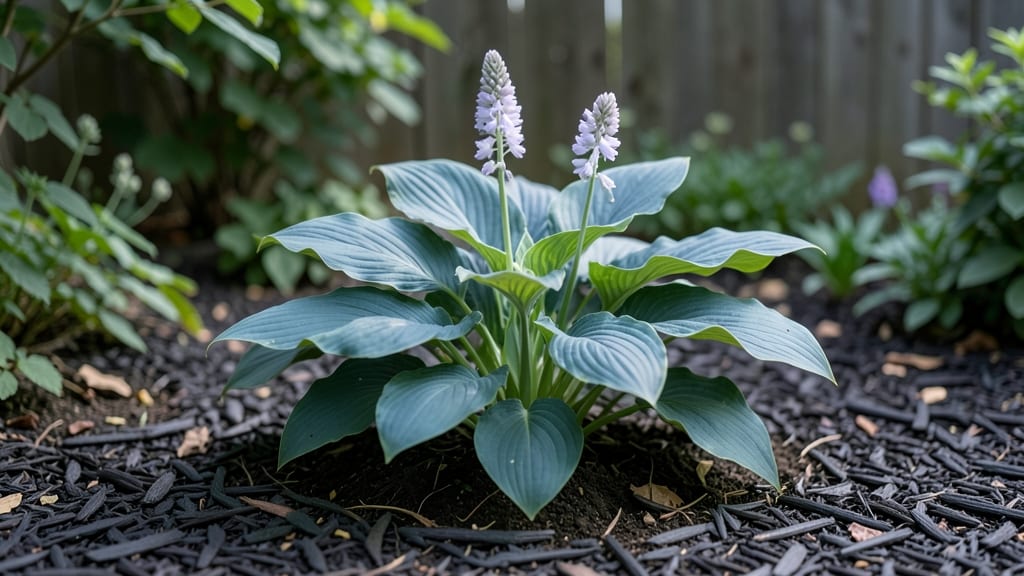
Part shade describes garden areas that get 3 to 6 hours of direct sunlight daily, often with light filtered through tree canopies or building walls. This moderate exposure supports plants that need more light than full shade but can't handle intense, all-day sun.
This lighting condition creates a perfect middle ground for many plants, preventing heat stress while still allowing enough photosynthesis for healthy growth. 🌿 The key difference from full sun lies in the reduced intensity—part shade areas typically have softer, more diffused light that mimics natural forest understory environments.
Many ornamental plants and shade-loving perennials thrive here, as do vegetables like lettuce and spinach that bolt in hotter conditions.
Understanding part shade helps gardeners select the right plants for specific spots in their landscape. For example, a spot under a large oak tree might get only 3 hours of morning sun, while a location near a fence could receive 5 hours of afternoon light.
Both qualify as part shade but may require different plant choices based on light duration and intensity.
💡 In This Article
- How Part Shade Affects Plant Growth and Light Requirements
- Best Plants for Part Shade Gardens and Light Adaptation Tips
How part shade affects plant growth and light requirements
Part shade creates a unique light environment where photosynthesis occurs at a balanced rate. Unlike full sun, which delivers 10,000+ foot-candles of light intensity, part shade typically provides 1,000-3,000 foot-candles—enough to fuel growth without causing oxidative stress.
This reduced intensity prevents chlorophyll from breaking down too quickly, which is why plants here develop deeper green leaves compared to sun-scorched counterparts. The filtered light also contains more blue wavelengths, which boosts plant metabolism without the heat stress of direct midday rays.
What makes part shade special is how it mimics natural forest understories. In these ecosystems, plants evolve to capture dappled sunlight—the shifting patches of light created by tree canopies.
This intermittent exposure triggers a survival mechanism called "shade avoidance syndrome" in some species, causing stems to elongate toward light sources.
However, most part-shade plants have adapted by developing larger leaves to maximize light absorption during brief sunny periods. 🌿 For example, hostas grow broader leaves in part shade than in full sun to capture every photon efficiently.
The light quality in part shade also influences plant chemistry. Lower light intensity reduces the production of heat-shock proteins, which are overproduced in full sun conditions. This means part-shade plants allocate more energy toward growth and flowering rather than stress responses.
For instance, astilbes in part shade produce 20-30% more blooms than those in full sun because their resources aren't diverted to protecting against leaf burn. The trade-off? They may grow slightly slower than sun-lovers like lavender, which thrive on intense light.
Seasonal variations further complicate part shade dynamics. In summer, when sun angles are lower, the same spot might receive only 2-3 hours of direct light, while winter's higher sun angles could extend exposure to 5-6 hours.
This fluctuation explains why some part-shade plants like ferns thrive year-round—they've adapted to these seasonal light shifts. Gardeners must account for these changes by selecting plants with flexible light requirements or adjusting care routines, such as providing afternoon shade during peak summer months.
Comparing part shade to full sun and full shade reveals a clear spectrum of plant adaptations. Full sun plants (e.g., roses) have thick cuticles and reflective leaf hairs to deflect excess light, while full shade plants (e.g., maidenhair ferns) develop thinner leaves optimized for low-light conditions.
Part shade plants strike a balance: their leaves are neither waxy nor delicate, but instead feature a moderate leaf mass area that efficiently converts available light into energy without overheating. This adaptability is why part shade gardens often yield the most diverse and resilient plantings.